Why Air Quality Matters: Health, Cities, and Solutions
The air we breathe is invisible yet indispensable. Every breath delivers oxygen to our lungs, fuels our cells, and sustains life. But what happens when that air carries pollutants? Air quality has emerged as one of the most pressing environmental and public health concerns of our time, influencing everything from urban planning to personal well-being. The World Health Organization estimates that nine out of ten people globally breathe air containing high levels of pollutants, leading to over seven million premature deaths annually. This silent crisis demands attention, awareness, and action.
The Science Behind Air Quality
Air quality refers to the condition of the air within our surrounding environment. It’s measured by the concentration of pollutants—particulate matter, nitrogen oxides, sulfur dioxide, ozone, and volatile organic compounds—among others. These pollutants originate from a variety of sources: vehicle emissions, industrial facilities, agricultural activities, wildfires, and even household products. The Environmental Protection Agency (EPA) uses the Air Quality Index (AQI) to communicate how clean or polluted the air is and what associated health risks might be a concern.
The AQI scales from 0 to 500. Values below 50 are considered “good,” while anything above 300 is “hazardous.” Exposure to high AQI levels can trigger respiratory issues, cardiovascular diseases, and even cognitive decline. Children, the elderly, and individuals with preexisting conditions are particularly vulnerable. Recent studies have also linked long-term exposure to fine particulate matter (PM2.5) with increased risks of dementia and reduced life expectancy.
Key Pollutants and Their Sources
- PM2.5 and PM10: Tiny particles or droplets in the air that can penetrate deep into the lungs and bloodstream. Sources include vehicle exhaust, construction sites, and burning of fossil fuels.
- Nitrogen Dioxide (NO₂): Primarily emitted from vehicle engines and power plants. It contributes to smog and acid rain, and can worsen asthma symptoms.
- Ozone (O₃): A secondary pollutant formed when nitrogen oxides and volatile organic compounds react in sunlight. It irritates the respiratory system and reduces lung function.
- Sulfur Dioxide (SO₂): Released from burning coal and oil. It’s a major contributor to acid rain and can cause acidification of soils and water bodies.
- Carbon Monoxide (CO): A colorless, odorless gas produced by incomplete combustion of fossil fuels. It reduces oxygen delivery in the blood and can be fatal in high concentrations.
Urbanization and Air Pollution: A Growing Crisis
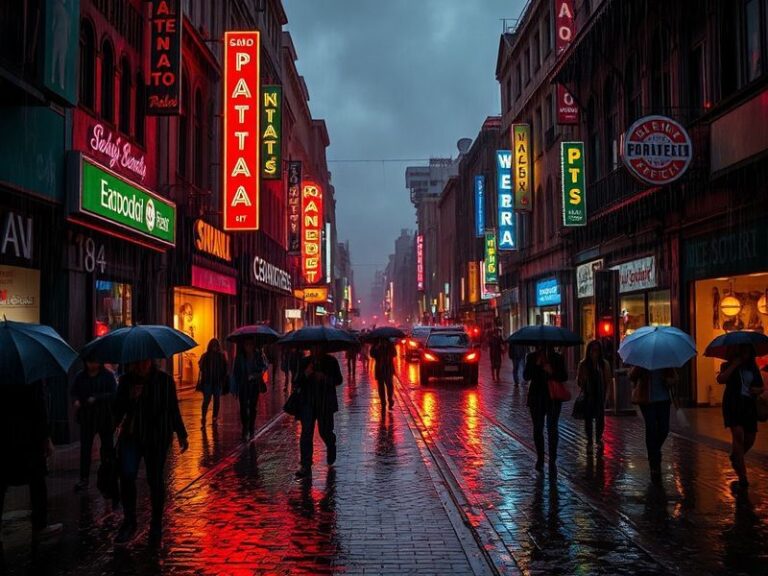
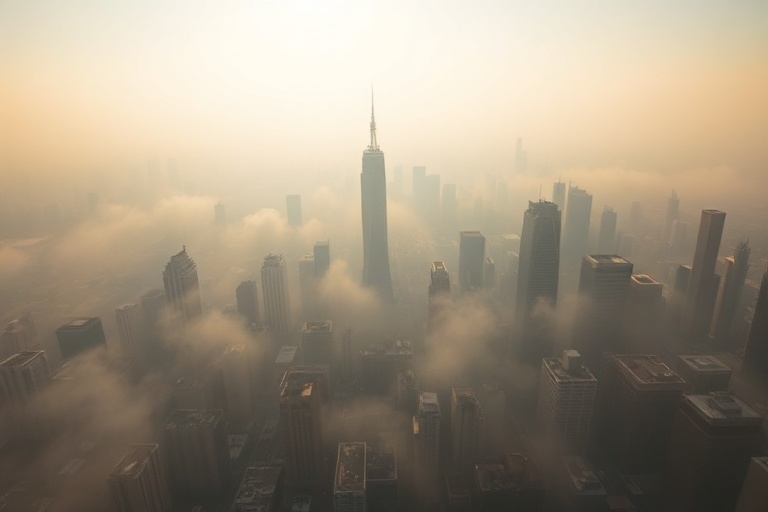
Cities are the engines of economic growth, but they are also major contributors to air pollution. The concentration of vehicles, industrial zones, and construction activities in urban areas creates a toxic cocktail of emissions. Megacities like Delhi, Beijing, and Los Angeles frequently experience hazardous air quality, especially during winter months when temperature inversions trap pollutants near the ground.
Urban air pollution doesn’t respect borders. Pollutants can travel hundreds of miles, affecting rural communities and even neighboring countries. For instance, agricultural burning in the Midwest United States has been linked to elevated PM2.5 levels in the Eastern Seaboard. This transboundary nature of air pollution highlights the need for regional and international cooperation in monitoring and mitigation.
Cities are beginning to respond. Many have implemented low-emission zones, expanded public transportation, and promoted cycling infrastructure. London’s Ultra Low Emission Zone, for example, has reduced nitrogen dioxide levels by nearly 44% since its inception in 2019. Such initiatives demonstrate that policy can drive meaningful change—even in densely populated areas.
Indoor Air Quality: The Overlooked Danger
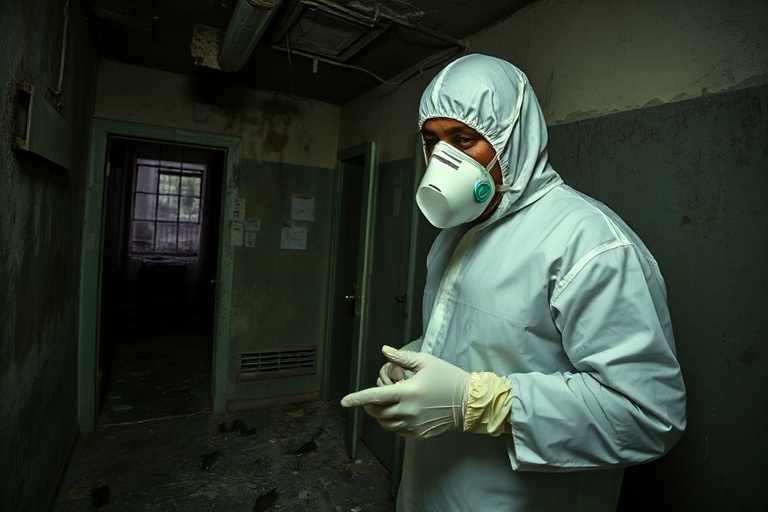
While outdoor air quality garners much attention, indoor environments can be two to five times more polluted than the outdoors. This is particularly concerning given that people spend approximately 90% of their time indoors. Common indoor pollutants include radon—a naturally occurring radioactive gas—volatile organic compounds (VOCs) from cleaning products and furniture, and biological contaminants like mold and dust mites.
Poor ventilation exacerbates these issues. Modern buildings, designed for energy efficiency, often lack sufficient airflow. This creates a paradox: structures built to reduce energy consumption can inadvertently trap harmful pollutants. The COVID-19 pandemic further highlighted the importance of indoor air quality, as ventilation became a critical factor in reducing viral transmission.
Improving indoor air quality doesn’t always require expensive renovations. Simple steps—such as using air purifiers with HEPA filters, minimizing synthetic fragrances, and ensuring proper ventilation—can yield significant benefits. Plants, while often touted as air purifiers, have limited impact on overall air quality but can contribute to psychological well-being.
Solutions and Collective Action
Addressing air quality is not solely the responsibility of governments or corporations. It requires a collective effort from individuals, communities, and institutions. Technology offers promising tools, such as real-time air quality monitors and AI-driven pollution forecasting. These devices empower individuals to make informed decisions about outdoor activities and indoor environments.
Policy plays a crucial role. Stricter emissions standards for vehicles and industrial facilities, incentives for renewable energy adoption, and urban greening initiatives can reduce pollution at its source. The European Union’s Ambient Air Quality Directives, for example, have set legally binding limits on key pollutants, driving improvements across member states.
Education is equally vital. Raising awareness about the health impacts of air pollution can motivate behavior change. Campaigns promoting reduced car use, sustainable agriculture, and energy conservation contribute to broader systemic shifts. Schools, workplaces, and community centers can serve as hubs for disseminating this knowledge.
On a personal level, small changes can add up. Choosing public transit, supporting local clean energy initiatives, and advocating for green spaces in neighborhoods are all meaningful contributions. Every action, no matter how modest, reinforces the demand for cleaner air.
Five Practical Steps to Improve Air Quality
- Monitor: Use apps like AirVisual or government-run AQI websites to track local air quality in real time.
- Reduce Emissions: Opt for walking, biking, or electric vehicles when possible. Avoid idling your car engine.
- Ventilate: Open windows when outdoor air quality is good. Use exhaust fans in kitchens and bathrooms to reduce indoor pollutants.
- Support Policies: Advocate for stricter emissions regulations and investments in renewable energy and public transportation.
- Plant Trees: Trees absorb carbon dioxide and filter particulate matter. Community greening projects can improve local air quality and mental well-being.
Looking Ahead: A Breath of Fresh Air
The fight for cleaner air is far from over, but progress is possible. Cities like Stockholm and Copenhagen have demonstrated that urban air quality can improve significantly with sustained effort. Stockholm reduced PM10 levels by 30% over a decade through targeted policies and public engagement. Copenhagen aims to become carbon-neutral by 2025, partly by expanding cycling infrastructure and green energy use.
Technology will continue to play a transformative role. Innovations in electric vehicles, carbon capture, and smart city planning offer hope for a future where clean air is the norm rather than the exception. However, technology alone cannot solve the problem. Societal commitment to sustainability and equity is essential. Pollution disproportionately affects marginalized communities, exacerbating existing health disparities. Solutions must be inclusive, ensuring that no group bears a disproportionate burden of environmental harm.
Air quality is not just an environmental issue—it’s a human one. Clean air is a fundamental right, not a privilege. By understanding the science, supporting policy changes, and making mindful choices, we can collectively breathe easier. The air we share today shapes the health of generations to come. Let’s ensure it’s a breath worth taking.
For more information on environmental health and technology, visit our Science and Technology sections.