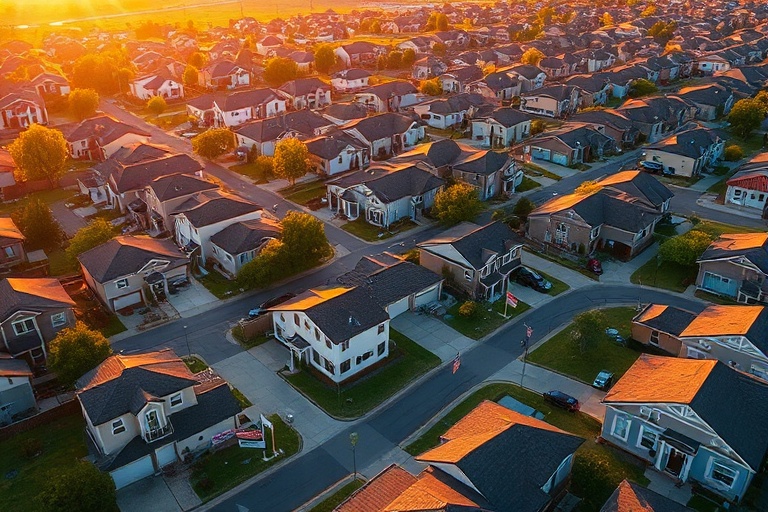
Why Housing Prices Keep Rising and Who It Hurts Most
The cost of buying a home has reached levels that feel almost surreal for many Americans. Prices have climbed steadily for nearly a decade, but the past few years have seen an especially steep ascent. This isn’t just a matter of supply and demand—though those factors play a role. Behind the rising numbers are deeper economic shifts, policy decisions, and demographic changes that are reshaping who can afford a home and where they can live.
The Numbers Behind the Trend
National median home prices have increased by over 40% since 2020, according to the National Association of Realtors. In some metropolitan areas, the jump has been even more dramatic. Cities like Austin, Phoenix, and Miami have seen price surges exceeding 60% in the same period. But averages only tell part of the story. The gap between high-end and entry-level housing has widened, leaving many first-time buyers on the sidelines.
Several forces are converging to push prices upward. Low mortgage rates during the pandemic encouraged bidding wars, while supply chain disruptions slowed new construction. At the same time, remote work trends allowed buyers to expand their search beyond traditional city centers, increasing demand in suburban and rural areas. The result? A market where even modest homes in less competitive areas now carry price tags that would have been unthinkable just a few years ago.
Key Factors Fueling the Rise
- Limited inventory: The U.S. has been underbuilding homes for over a decade. Zoning laws, labor shortages, and rising material costs have slowed construction, keeping supply tight.
- Investor activity: Large investment firms have purchased thousands of homes to rent or flip, reducing the number of available starter homes.
- Inflation and wages: While home prices outpace wage growth, inflation has made construction and renovation more expensive, further tightening supply.
- Demographic shifts: Millennials, the largest generation in U.S. history, are now in their prime homebuying years, adding millions of new buyers to the market.
Who Bears the Brunt of High Prices?
The housing crisis isn’t evenly distributed. While wealthy buyers and investors can navigate the market with relative ease, younger Americans, low-income families, and marginalized communities face growing barriers. The homeownership gap between white households and Black or Hispanic households has widened in recent years, reflecting both historical inequities and current market pressures.
Renters are also feeling the squeeze. As home prices rise, landlords increase rents to match, squeezing household budgets further. In many cities, rent now consumes over 30% of median income—a threshold considered unaffordable by federal standards. The result is a cycle where saving for a down payment becomes nearly impossible, trapping renters in a cycle of high housing costs.
Even those who manage to buy often face long-term financial strain. High prices mean larger mortgages, which can stretch budgets for decades. For retirees on fixed incomes, this can mean choosing between healthcare and housing. For young families, it can delay major life milestones like starting a business or having children.
Policy Responses and Their Limits
Governments at all levels have scrambled to address the crisis. Some cities have relaxed zoning laws to encourage more dense, affordable housing. Others have introduced tax incentives for first-time buyers or developers who include affordable units in new projects. At the federal level, proposals like down payment assistance and expanded rental assistance have gained traction, though funding remains uncertain.
Yet policy solutions often face resistance. Homeowners in established neighborhoods frequently oppose new development, fearing it will lower property values or disrupt community character. Developers argue that high construction costs and regulatory hurdles make it difficult to build affordable housing without subsidies. Meanwhile, rising interest rates—meant to curb inflation—have also made mortgages more expensive, further dampening affordability.
Some economists argue that the market will eventually correct itself as higher rates cool demand. But others warn that structural issues, like underbuilding and investor dominance, mean prices won’t return to pre-pandemic levels anytime soon. The risk is a generation of Americans who see homeownership as an unattainable dream rather than a cornerstone of stability.
Looking Ahead: Possible Paths Forward
No single solution will fix the housing crisis, but a combination of strategies could ease the pressure. Expanding affordable housing programs, reforming zoning laws to allow more density, and investing in alternative construction methods like modular housing could all help. So could policies that curb investor purchases of single-family homes or incentivize long-term rentals over short-term flips.
For now, the market remains volatile. Interest rates fluctuate, economic uncertainty looms, and the demand for housing shows no signs of slowing. What’s clear is that the way Americans live, work, and invest is being reshaped by these trends—and the consequences will ripple through the economy for years to come.
The dream of homeownership isn’t dead, but it’s evolving. Whether that evolution leads to greater equity or deeper divides may depend on the choices made today.
For more insights into market trends and economic analysis, explore our Finance and Business sections.