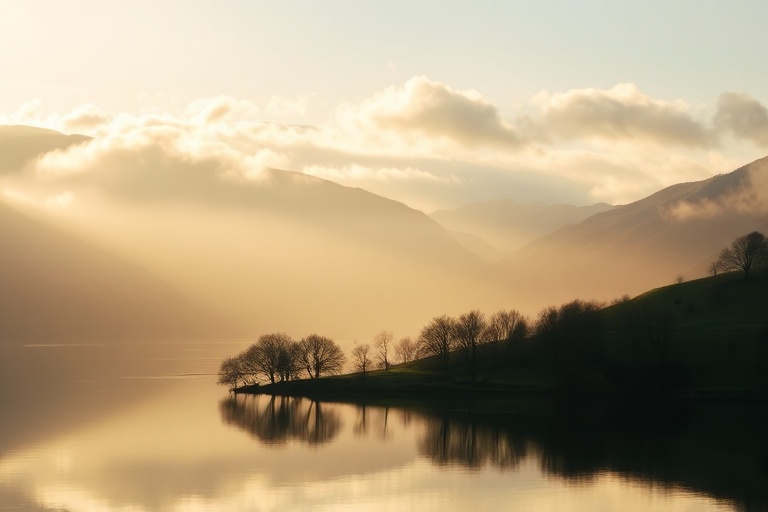
The Lake District in northwest England stands as one of the most celebrated landscapes in the world. Its rolling hills, glacial lakes, and picturesque valleys have inspired artists, writers, and travelers for centuries. More than just a scenic destination, the region represents a cultural touchstone where nature and human creativity intertwine. From the Romantic poets of the 19th century to modern-day hikers and photographers, the Lake District continues to captivate a global audience.
A Landscape Forged by Time and Nature
The Lake District’s dramatic scenery is the result of ancient geological processes. The region was shaped during the last Ice Age, when massive glaciers carved out deep valleys and created the lakes for which it is named. Today, these bodies of water—such as Windermere, Derwentwater, and Ullswater—reflect the sky and surrounding fells, creating a mirror-like effect that has fascinated visitors for generations.
Geologically, the Lake District is part of the Cumbrian Mountains, a range dominated by hard volcanic rocks and softer sedimentary layers. The contrast between the rugged peaks and the serene lakes gives the region its unique character. This natural diversity has made it a living laboratory for geologists and a playground for outdoor enthusiasts.
Biodiversity and Conservation Efforts
The Lake District is not just a feast for the eyes; it is also a vital ecosystem. The region supports a wide range of flora and fauna, from rare alpine plants clinging to mountain slopes to otters and ospreys thriving in the wetlands. Conservation efforts have been ongoing since the Lake District was designated a UNESCO World Heritage Site in 2017, recognizing its cultural and natural significance.
Organizations such as the Lake District National Park Partnership work to preserve the delicate balance between tourism and environmental protection. Initiatives include reforestation projects, sustainable farming practices, and educational programs aimed at fostering stewardship among visitors. These efforts ensure that the region’s beauty remains intact for future generations.
Literary Legacy: The Lake District as a Source of Inspiration
The Lake District’s influence extends far beyond its borders, thanks in large part to its association with some of the most celebrated figures in English literature. The region’s wild beauty and tranquil lakes provided the perfect backdrop for the Romantic poets, who saw in its landscapes a reflection of human emotion and the sublime.
William Wordsworth, a native of the Lake District, immortalized the region in his poetry. His works, such as Daffodils and The Prelude, draw directly from the landscapes he knew intimately. Wordsworth’s connection to the area helped cement its reputation as a place of inspiration and introspection.
Modern Literary Connections
While Wordsworth remains the most iconic literary figure tied to the Lake District, the region continues to inspire contemporary writers. Beatrix Potter, best known for her children’s books featuring Peter Rabbit, also spent much of her life in the Lake District. Her stories, rooted in the rural life she observed, have left a lasting legacy that attracts families from around the world.
Today, literary festivals and guided walks through the countryside celebrate the region’s rich literary history. Events such as the Lake District Literature Festival bring together authors, poets, and readers to explore the enduring relationship between place and creativity.
The Lake District in Global Perspective: Tourism and Cultural Exchange
As one of the UK’s most visited national parks, the Lake District attracts millions of tourists each year. Its appeal is universal, drawing visitors from Europe, Asia, the Americas, and beyond. The region’s accessibility, combined with its reputation as a haven for outdoor activities, makes it a must-visit destination for travelers seeking both adventure and relaxation.
Tourism in the Lake District is not just about sightseeing; it is also about cultural exchange. Visitors immerse themselves in local traditions, from sampling traditional Cumbrian dishes like Cumberland sausage to participating in traditional festivals such as the Grasmere Rushbearing Ceremony. These experiences offer a deeper understanding of the region’s heritage and its people.
Challenges of Mass Tourism
While tourism brings economic benefits to the Lake District, it also presents challenges. Overcrowding, traffic congestion, and environmental strain are growing concerns. Local authorities and businesses are working to address these issues through sustainable tourism initiatives, such as promoting off-peak travel and encouraging the use of public transportation.
For instance, the Travel industry in the Lake District has embraced eco-friendly practices, from carbon-neutral accommodations to guided hikes that emphasize conservation. These efforts aim to balance the region’s popularity with the need to protect its fragile ecosystems.
Outdoor Activities: Adventures for Every Season
The Lake District is a year-round destination, offering activities that cater to every interest and skill level. In the warmer months, hiking trails such as the Cumbria Way and the Coast to Coast Path attract walkers from around the world. These routes traverse some of the most breathtaking landscapes in England, from the shores of Lake Windermere to the summits of Scafell Pike, the highest peak in England.
For those seeking more adrenaline-fueled experiences, the Lake District offers world-class opportunities for rock climbing, mountain biking, and water sports. The region’s lakes and rivers are perfect for kayaking, paddleboarding, and even wild swimming, a practice that has seen a resurgence in popularity in recent years.
Winter Wonderland
When winter arrives, the Lake District transforms into a snowy paradise. The fells and valleys become a playground for skiers, snowboarders, and snow hikers. Resorts like Glenmore Lodge and Hillend offer lessons and slopes for all abilities, while the quieter corners of the region provide serene settings for those seeking solitude in the snow.
Winter also brings unique cultural experiences, such as the Lakes Alive festival, which celebrates the region’s heritage through music, art, and performance. These events highlight the Lake District’s ability to adapt and thrive in every season.
Preserving the Future of the Lake District
The Lake District’s enduring appeal is a testament to its resilience and adaptability. Yet, the challenges of the 21st century—climate change, over-tourism, and shifting cultural priorities—require ongoing vigilance. Local communities, conservationists, and policymakers are collaborating to ensure that the Lake District remains a vibrant and sustainable destination.
Efforts such as the Fix the Fells project, which repairs mountain paths to prevent erosion, demonstrate the commitment to preserving the region’s natural beauty. Similarly, educational programs in schools and visitor centers foster a deeper appreciation for the Lake District’s ecological and cultural significance.
As the world becomes increasingly urbanized, places like the Lake District serve as vital reminders of nature’s power to inspire and rejuvenate. Whether through literature, art, or outdoor adventure, the Lake District continues to shape the global imagination, offering a sanctuary where the past and present coexist harmoniously.
The Lake District is more than a destination; it is a legacy. A legacy of natural wonder, artistic expression, and human resilience. As long as people seek solace in nature’s beauty and creativity in its landscapes, the Lake District will remain an enduring symbol of what the world holds most dear.