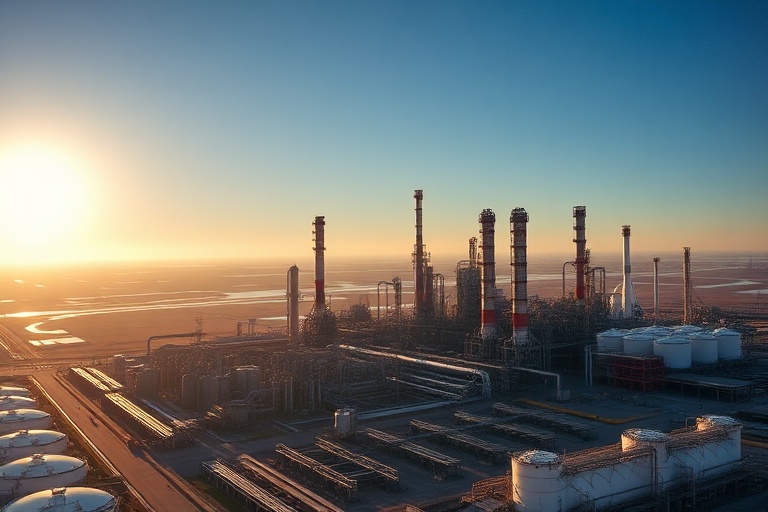
chalmette refinery
The Chalmette Refinery: A Global Energy Hub with Local Roots
The Chalmette Refinery, located just outside New Orleans in St. Bernard Parish, Louisiana, stands as a critical node in the global energy infrastructure. While often overshadowed by larger refineries in Texas or the Middle East, its strategic position near the Gulf of Mexico and Mississippi River makes it a linchpin for U.S. fuel production and distribution. The refinery’s history stretches back over a century, reflecting the evolution of the American energy sector and its complex relationship with environmental, economic, and geopolitical forces.
Founded in 1909 as the Standard Oil Company of Louisiana, the Chalmette Refinery was among the first major industrial facilities in the region. At the time, Louisiana was not yet the energy powerhouse it is today, but the discovery of oil in nearby Jennings in 1901 had sparked a wave of investment. The refinery’s early years were marked by rapid expansion, fueled by the booming demand for kerosene, gasoline, and other petroleum products. By the mid-20th century, it had become a cornerstone of the regional economy, providing thousands of jobs and supporting a network of suppliers, contractors, and ancillary businesses.
Today, the Chalmette Refinery operates under the ownership of PBF Energy, a major player in the U.S. refining industry. The facility has a processing capacity of approximately 190,000 barrels of crude oil per day, making it one of the largest refineries on the Gulf Coast. Its output includes gasoline, diesel, jet fuel, and petrochemical feedstocks, which are distributed throughout the southeastern United States and beyond. The refinery’s role in the global energy market is underscored by its ability to handle a diverse range of crude oils, from light sweet crudes to heavier, sour varieties.
The Refinery’s Impact on the Local Community
The Chalmette Refinery is more than just an industrial facility; it is a lifeline for the communities that surround it. St. Bernard Parish, where the refinery is located, has a population of around 40,000 people, many of whom are directly or indirectly employed by the facility. The refinery contributes millions of dollars in tax revenue annually, funding essential public services such as schools, infrastructure, and emergency response systems. In a region still recovering from the devastation of Hurricane Katrina in 2005, the refinery’s economic stability has been a stabilizing force.
However, the refinery’s presence is not without controversy. Like many industrial facilities, it has faced scrutiny over its environmental impact. The Gulf Coast is particularly vulnerable to pollution, and refineries in the region have been linked to air and water quality issues. The Chalmette Refinery has been cited for violations of the Clean Air Act in the past, including emissions of volatile organic compounds and sulfur dioxide. These incidents have sparked protests from local residents and environmental groups, who argue that the refinery’s operations disproportionately affect low-income and minority communities.
The refinery has also been a focal point for discussions about energy independence and climate change. As the world transitions toward renewable energy sources, the role of traditional refineries like Chalmette is increasingly being questioned. Some industry analysts argue that the refinery could diversify its operations to include biofuels or hydrogen production, while others advocate for a gradual phase-out of fossil fuel infrastructure. For now, the Chalmette Refinery remains a vital part of the energy landscape, but its future will likely depend on its ability to adapt to changing global priorities.
A Global Perspective: The Refinery in the Broader Energy Market
The Chalmette Refinery’s significance extends far beyond its immediate surroundings. The Gulf Coast is home to nearly half of the United States’ refining capacity, and the region plays a crucial role in meeting global demand for petroleum products. The Chalmette Refinery, in particular, is strategically positioned to supply fuel to the southeastern U.S., a region with high energy consumption due to its large population and tourism industry. Its proximity to major shipping lanes also allows it to export refined products to Latin America, the Caribbean, and even Europe.
Geopolitical factors further amplify the refinery’s global relevance. The U.S. Energy Information Administration reports that the country is the world’s largest producer of petroleum and natural gas liquids, thanks in part to facilities like Chalmette. This production capacity has reduced America’s dependence on foreign oil, particularly from volatile regions such as the Middle East and Venezuela. However, it has also created a complex web of trade relationships, with U.S. refiners like Chalmette exporting surplus fuel to countries that lack adequate refining infrastructure.
The refinery’s operations are also influenced by fluctuations in global oil prices. When crude prices are low, refiners like Chalmette can purchase cheaper feedstock, increasing their profit margins. Conversely, when prices rise, the cost of production increases, squeezing margins and potentially leading to temporary shutdowns. The COVID-19 pandemic demonstrated this volatility, as lockdowns and reduced travel demand caused a sharp decline in fuel consumption and refinery utilization rates. The Chalmette Refinery, like others in the region, had to adapt quickly to survive the crisis.
The global energy transition presents another challenge. Many countries are setting ambitious targets to reduce carbon emissions, which could lead to decreased demand for gasoline and diesel. The International Energy Agency (IEA) projects that global oil demand could peak by the mid-2030s as electric vehicles and renewable energy sources gain traction. In response, some refineries are exploring ways to repurpose their facilities for cleaner fuels or even carbon capture technologies. Whether the Chalmette Refinery will follow this path remains an open question, but its stakeholders are undoubtedly aware of the shifting tides.
The Cultural and Historical Legacy of the Refinery
Beyond its economic and industrial significance, the Chalmette Refinery holds a unique place in the cultural and historical fabric of Louisiana. The facility’s long history is intertwined with the region’s identity, from the early days of Standard Oil to its role in supporting the U.S. military during World War II. The refinery’s presence has shaped the local workforce, attracting generations of workers who have passed down their skills and traditions through apprenticeships and union memberships.
The refinery has also inspired a sense of pride among residents, many of whom view it as a symbol of resilience. St. Bernard Parish has faced numerous challenges, from natural disasters to industrial accidents, but the community has consistently rallied to support the refinery when it matters most. This relationship was evident during Hurricane Katrina, when the refinery played a crucial role in the recovery effort by providing fuel to emergency responders and restoring power to critical infrastructure.
However, the refinery’s cultural legacy is not without its complexities. For some, it represents progress and economic opportunity, while for others, it is a reminder of the environmental and social costs of industrialization. This duality is reflected in the local art and music scene, where themes of industry and nature often intersect. For example, the annual Cajun-Zydeco Festival in nearby Lafayette sometimes features performances that explore the tension between human ambition and environmental stewardship, a theme that resonates deeply in a state known for its natural beauty and fragile ecosystems.
The Chalmette Refinery’s story is far from over. As the world grapples with the dual crises of climate change and energy security, the refinery’s future will be shaped by a combination of technological innovation, regulatory pressures, and market forces. Whether it evolves into a cleaner, more sustainable operation or gradually fades into obsolescence, its legacy will endure as a testament to the complex interplay between industry, community, and the environment.
For now, the refinery continues to hum with activity, a reminder of the enduring power of fossil fuels in a rapidly changing world. Its story is a microcosm of the broader energy transition, offering lessons about adaptation, resilience, and the need for balance between progress and preservation.
—