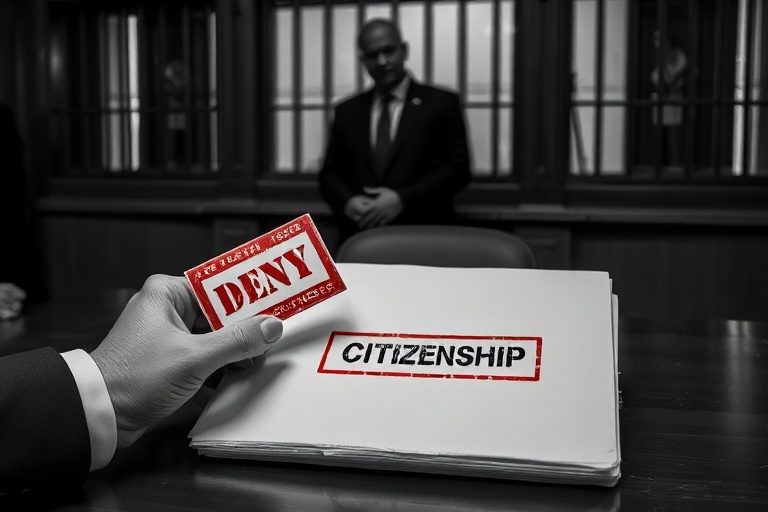
Denaturalization Explained: Legal Process and Social Impact
Understanding Denaturalization: A Legal and Social Examination
Denaturalization represents one of the most consequential yet least discussed aspects of immigration law. At its core, denaturalization is the legal process by which the U.S. government revokes an individual’s citizenship, stripping them of the rights and protections that come with it. This process is not merely administrative; it is a punitive measure with profound implications for individuals, families, and the broader fabric of American society.
The concept traces its origins to the Immigration and Nationality Act of 1952, which granted the government the authority to revoke citizenship obtained through fraud or misrepresentation. Over time, the grounds for denaturalization have expanded, now encompassing cases involving criminal activity, terrorism links, or even minor discrepancies on naturalization applications. The process is inherently complex, blending legal precision with significant ethical considerations.
The Legal Framework Behind Denaturalization
Denaturalization proceedings are governed by a combination of federal statutes, case law, and procedural rules. The most common legal bases include:
- Fraud or misrepresentation: The most frequent ground for denaturalization, where an applicant is found to have concealed material facts, such as criminal history, prior deportations, or false claims of eligibility.
- Illegal procurement of citizenship: This occurs when citizenship was obtained through bribery, forgery, or other illegal means.
- Membership in a subversive organization: Revocation can follow evidence that an individual joined or supported groups deemed threatening to U.S. security, such as terrorist organizations.
- Oath violations: If an individual fails to uphold the oath of allegiance or engages in acts of treason, denaturalization may be pursued.
The Department of Justice’s Office of Immigration Litigation oversees these cases, working closely with U.S. Citizenship and Immigration Services (USCIS) to investigate and litigate denaturalization claims. Proceedings typically unfold in federal court, where the government must prove its case by “clear and convincing evidence.” This high standard reflects the gravity of the remedy—loss of citizenship is not taken lightly.
Critics argue that the legal framework is inconsistently applied, with some cases targeting immigrants years after naturalization, raising concerns about fairness and due process. The government’s discretion in initiating denaturalization cases has also sparked debates about whether the system is being used punitively rather than to correct genuine fraud.
Real-World Cases and Their Impact
Denaturalization is not an abstract legal theory; it has tangible, often devastating, effects on real lives. One of the most high-profile cases involved a California man who was denaturalized in 2018 after it was discovered he had concealed his membership in a Nazi SS division during World War II. While the case underscored the government’s commitment to rooting out fraud, it also highlighted the moral weight of such proceedings—revoking citizenship decades after the fact for acts committed in a distant war.
Another notable example is the case of a former police officer in Michigan, denaturalized in 2020 for failing to disclose a prior conviction for assault. The case raised questions about whether denaturalization is being used disproportionately against immigrants for minor infractions, particularly when comparable citizens would face different consequences.
The human toll of denaturalization extends beyond the individuals directly affected. Families are often uprooted, with spouses and children facing uncertain futures if the denaturalized individual is also subject to deportation. The emotional and financial strain on these families is immense, particularly when the denaturalization stems from bureaucratic errors or long-past mistakes.
Broader Implications for Immigration Policy and Society
The expansion of denaturalization practices reflects broader shifts in immigration policy, particularly under administrations that prioritize stringent enforcement. While the stated goal is to protect the integrity of the naturalization process, critics warn that denaturalization is increasingly becoming a tool for broader immigration crackdowns, particularly against communities of color and immigrant groups perceived as politically or economically threatening.
One of the most concerning trends is the use of denaturalization in cases involving minor or technical violations. For example, individuals have been targeted for denaturalization over clerical errors, such as misspelled names or incorrect dates on their applications. These cases raise ethical questions about whether the process is being used to correct mistakes or to create a climate of fear among immigrant communities.
The social implications of denaturalization are equally significant. Citizenship is not just a legal status; it is a social contract that binds individuals to the nation’s values and institutions. Denaturalization disrupts this contract, often leaving individuals in a legal limbo where they are neither citizens of the U.S. nor of their country of origin. This limbo can lead to statelessness, a condition the U.N. has described as creating “a particularly vulnerable group of persons.”
Moreover, the specter of denaturalization has a chilling effect on naturalization rates. Immigrants who might otherwise seek citizenship may hesitate, fearing that minor errors or future mistakes could lead to the loss of their hard-earned status. This reluctance undermines the goal of integrating immigrants into American society, fostering a climate of uncertainty rather than belonging.
Looking Ahead: The Future of Denaturalization
The future of denaturalization will likely be shaped by ongoing legal challenges, policy shifts, and public opinion. Advocacy groups, such as the American Civil Liberties Union (ACLU) and the National Immigration Law Center (NILC), continue to challenge denaturalization cases in court, arguing that the process is being weaponized against vulnerable populations. Legal victories, such as those restricting the government’s ability to denaturalize individuals for minor infractions, could reshape the landscape of immigration enforcement.
Policy changes may also play a role. The Biden administration has signaled a more measured approach to immigration enforcement, which could result in fewer denaturalization cases. However, the legal authority to denaturalize remains firmly in place, and future administrations may choose to wield it more aggressively.
For immigrants and their advocates, the key challenge will be ensuring that denaturalization is reserved for genuine cases of fraud or misrepresentation, rather than becoming a catch-all tool for broader immigration enforcement. This will require vigilance, legal reform, and a commitment to protecting the rights of all individuals, regardless of their immigration status.
The conversation around denaturalization is far from over. As the U.S. grapples with its identity as a nation of immigrants, the stakes could not be higher. The decisions made today will reverberate for decades, shaping the lives of countless individuals and the future of American society itself.
Key Takeaways on Denaturalization
- Denaturalization is a legal process that revokes citizenship, typically due to fraud, misrepresentation, or illegal procurement of naturalization.
- The process is complex and high-stakes, requiring the government to prove its case in federal court with “clear and convincing evidence.”
- Real-world cases highlight ethical dilemmas, from targeting long-past actions to disproportionately affecting immigrant communities.
- The broader implications are far-reaching, affecting families, fostering fear, and challenging the social contract of citizenship.
- The future of denaturalization remains uncertain, with legal challenges and policy shifts likely to shape its role in immigration enforcement.
For those navigating the complexities of immigration law, understanding denaturalization is essential. Whether you are an immigrant, an advocate, or simply a concerned citizen, staying informed about these issues is the first step toward ensuring justice and fairness in our immigration system.