Edinburgh Central: A Hub of History, Culture, and Urban Energy
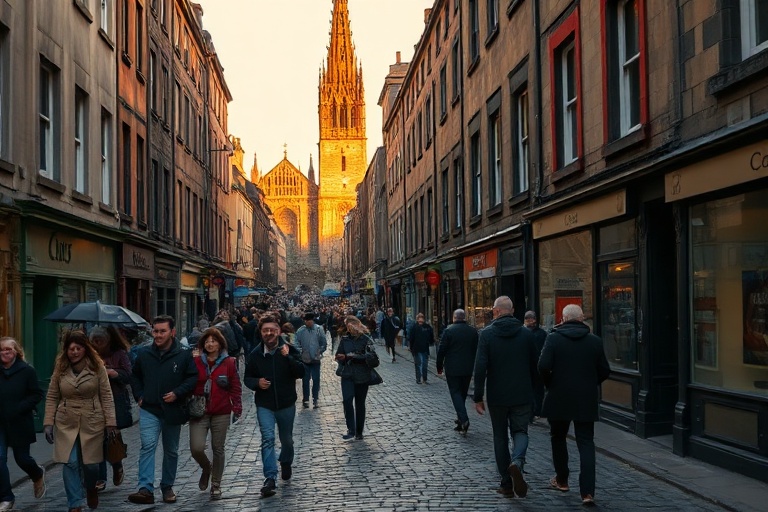
Edinburgh Central is far more than just a postcode or a transit point in Scotland’s capital. It is a living, breathing microcosm of the city’s layered history, architectural grandeur, and modern dynamism. From the ancient volcanic spine of Castle Rock to the bustling thoroughfares of Princes Street and George Street, this area encapsulates Edinburgh’s evolution from medieval fortress to 21st-century cultural capital.
At its heart lies Edinburgh Castle, perched atop Castle Rock—a geological marvel that has dominated the skyline for nearly a thousand years. The castle isn’t merely a military relic; it’s a symbol of national identity, hosting the Scottish Crown Jewels and the Stone of Destiny. Below it, the Royal Mile unfurls like a historical ribbon, connecting the castle to the Palace of Holyroodhouse, the official residence of the British monarch in Scotland. This corridor has long been a stage for royal processions, literary pilgrimages, and everyday life, where bagpipers play against the backdrop of centuries-old closes and wynds.
The Cultural Crossroads of Scotland
Edinburgh Central thrives as a cultural nucleus, hosting events that draw global audiences year-round. The Edinburgh International Festival and the Fringe Festival—both held every August—transform the city into the world’s largest arts extravaganza. While the Fringe showcases over 3,500 shows in unconventional venues from pubs to public parks, the International Festival presents high-caliber performances in dedicated theaters. Together, they attract more than 4 million visitors annually, injecting over £400 million into the local economy. This festival ecosystem has inspired similar models in cities like Adelaide and Hong Kong, proving Edinburgh’s role as a global leader in cultural tourism.
Beyond festivals, Edinburgh Central pulses with year-round cultural institutions. The National Museum of Scotland, located on Chambers Street, draws nearly 2 million visitors annually. Its exhibits—ranging from ancient Egyptian artifacts to contemporary science installations—reflect Scotland’s global connections, from Enlightenment thinkers like David Hume to modern contributions in medicine and technology. Nearby, the Scottish National Gallery houses masterpieces by Titian, Van Gogh, and Scottish Colourists, reinforcing the city’s place in the European art canon.
Urban Life and Modern Identity
Edinburgh Central is also a working, breathing city district. Princes Street Gardens, a verdant valley between the Old and New Towns, is a daily retreat for locals and tourists alike. It’s a place where office workers eat lunch on benches, children chase pigeons, and buskers perform under the gaze of Scott Monument—a Gothic tribute to the author of Ivanhoe. The street itself is a study in contrasts: luxury retailers like Jenners sit beside fast-fashion chains, while the Jenners Tea Room, opened in 1895, remains a bastion of tradition.
Transportation is another defining feature. Waverley Station, Scotland’s busiest railway hub, links Edinburgh Central to Glasgow, London, and beyond. The station’s Victorian architecture and its role in the 19th-century railway boom mirror the city’s integration into global networks. Meanwhile, the Edinburgh Tram, despite delays and controversies, aims to modernize intra-city connectivity, connecting the airport to the city center through this dense urban core.
A Global Model for Urban Living
Edinburgh Central’s blend of heritage and modernity offers lessons for cities worldwide. Its compactness—just 1.5 square miles—encourages walkability and reduces car dependency, a model increasingly adopted in cities like Copenhagen and Portland. The city’s strict planning laws, which preserve historic facades while allowing contemporary design behind them, have maintained visual continuity without stifling innovation. For instance, the redevelopment of St James Quarter integrated a 1960s shopping center with new retail, leisure, and residential spaces, blending eras without erasing character.
Culturally, Edinburgh Central demonstrates how small urban areas can wield outsized influence. The city’s literary legacy, from Sir Walter Scott to Irvine Welsh, is rooted in this district. Writers’ Museum on Lady Stair’s Close celebrates figures like Robert Burns and Robert Louis Stevenson, while the city’s annual cultural festivals have spawned global imitators. Even the city’s culinary scene—from Michelin-starred restaurants like The Kitchin to the grassroots Edinburgh Farmers’ Market—reflects a balance between tradition and innovation.
Challenges and the Road Ahead
Despite its strengths, Edinburgh Central faces pressures common to global cultural capitals. Rising tourism has led to debates over overtourism, especially in summer months when accommodation prices surge and residents report difficulty finding housing. Initiatives like the Edinburgh Tourism Action Group aim to spread visitor traffic across seasons and neighborhoods, but the challenge remains balancing economic benefits with community well-being.
Another concern is climate resilience. The city’s historic buildings, many without modern insulation, contribute to high carbon emissions. Retrofitting programs and sustainable tourism pledges are slowly addressing this, but progress is incremental. Meanwhile, the city’s hilly terrain presents unique challenges for accessibility, prompting ongoing infrastructure upgrades to improve pedestrian and public transport access.
Conclusion: A District That Defines a City
Edinburgh Central is not just a place on a map—it’s an experience, a narrative, and a testament to how cities can honor their past while embracing the future. Its streets echo with the footsteps of kings, writers, and migrants; its buildings tell stories of fire, war, and innovation; and its people embody a spirit of resilience and creativity. In an age where many cities struggle to balance growth and identity, Edinburgh Central offers a compelling model: a district that remains rooted in history yet constantly redefines itself, ensuring that Edinburgh remains not just a capital of Scotland, but a beacon on the world stage.