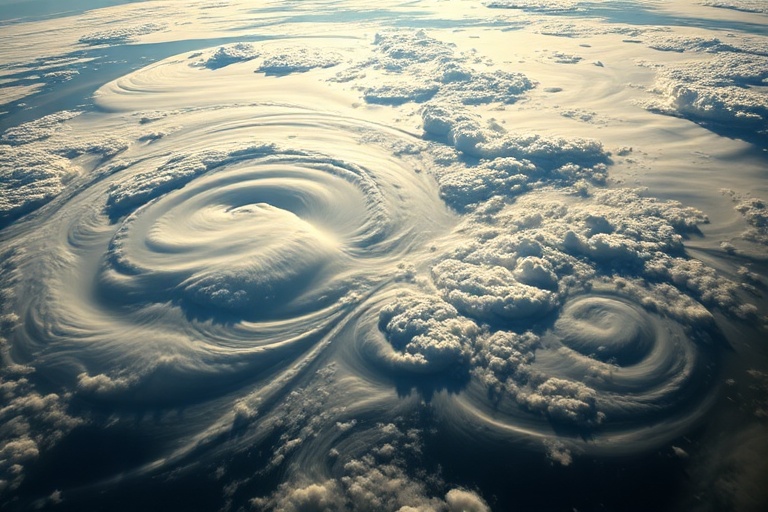
el niño global weather impact
El Niño represents one of the most influential climate phenomena on Earth, capable of reshaping weather patterns across continents with cascading effects on agriculture, economies, and human settlements. Unlike routine atmospheric variations, El Niño events—characterized by unusual warming in the central and eastern Pacific Ocean—trigger a domino effect that alters jet streams, monsoons, and storm tracks worldwide. The 2023–2024 El Niño, classified as one of the strongest on record, has already demonstrated its potency, disrupting seasonal forecasts and amplifying extreme weather events from the Americas to Southeast Asia.
Understanding El Niño requires examining its origins in ocean-atmosphere dynamics, its far-reaching consequences, and the challenges communities face in adapting to its unpredictable behavior. As climate models improve, scientists are uncovering new layers of complexity, including how rising global temperatures may intensify El Niño’s impacts in the future. This analysis explores the science behind El Niño, its global weather disruptions, and the broader implications for policy and resilience.
The Science Behind El Niño: Ocean-Atmosphere Interactions
El Niño originates in the tropical Pacific, where trade winds normally push warm surface water westward toward Indonesia and Australia. During an El Niño event, these trade winds weaken or reverse direction, allowing the accumulated warm water to slosh eastward toward the coasts of South America. This shift disrupts the typical temperature gradient across the Pacific, altering atmospheric pressure systems and triggering a feedback loop known as the Southern Oscillation.
The Southern Oscillation Index (SOI), which measures the difference in air pressure between Tahiti and Darwin, Australia, often turns negative during El Niño episodes. This pressure flip reinforces the eastward migration of warm water and intensifies the phenomenon. The warming of the eastern Pacific not only affects local marine ecosystems but also redistributes heat globally, influencing weather patterns thousands of miles away.
El Niño events occur irregularly, typically every two to seven years, and last between nine to twelve months. Their intensity varies widely: the 1997–1998 El Niño remains the strongest on record, while the 2015–2016 event tied it in some metrics. The 2023–2024 episode has already demonstrated rapid development, with sea surface temperatures in the central Pacific exceeding 2.0°C above average—thresholds associated with historically significant events.
Global Weather Disruptions: A Domino Effect Across Continents
El Niño’s influence extends far beyond the Pacific, reconfiguring atmospheric circulation patterns that govern rainfall, temperature, and storm activity. One of its most immediate effects is the suppression of Atlantic hurricane seasons. The increased wind shear over the Caribbean and tropical Atlantic, a hallmark of El Niño, disrupts the formation of tropical storms and hurricanes. While this may spare coastal communities in the United States and the Caribbean from some of the most destructive storms, it can also create a false sense of security, as other regions bear the brunt of El Niño’s wrath.
In the Americas, El Niño typically brings wetter-than-average conditions to the southern United States and northern Mexico, often leading to flooding and landslides. Conversely, the Pacific Northwest and parts of Canada experience warmer and drier winters, increasing wildfire risks. South America, particularly Peru and Ecuador, faces torrential rains and catastrophic flooding, while Brazil and Argentina grapple with droughts that strain water supplies and agricultural output.
Across the Pacific, the story is reversed. Indonesia, Australia, and Southeast Asia often endure severe droughts, heightening the risk of wildfires and air pollution crises. The delayed onset of the Indian monsoon, a critical water source for agriculture, can devastate crops and trigger food shortages. Meanwhile, eastern Africa braces for heavy rainfall and flooding, particularly in Kenya, Somalia, and Ethiopia, where infrastructure is frequently ill-equipped to handle such deluges.
The table below summarizes El Niño’s typical impacts by region:
| Region | Expected Weather Impact | Primary Risks |
|---|---|---|
| Southern United States | Increased rainfall and flooding | River flooding, infrastructure damage |
| Peru and Ecuador | Heavy rainfall and flooding | Landslides, displacement |
| Brazil and Argentina | Drier conditions and drought | Crop failures, water shortages |
| Indonesia and Australia | Drought and wildfires | Air pollution, ecosystem damage |
| Eastern Africa | Heavy rainfall and flooding | Flooding, disease outbreaks |
Economic and Agricultural Consequences: A Global Balancing Act
The economic fallout from El Niño can be staggering, with ripple effects felt across supply chains, commodity markets, and public health systems. Agriculture, one of the sectors most vulnerable to weather extremes, faces significant disruptions. In 2015–2016, El Niño contributed to a 20% drop in global cocoa production, driving prices to record highs and straining chocolate manufacturers. Similarly, palm oil and coffee crops in Southeast Asia suffered, leading to shortages and price volatility.
The energy sector also feels the strain. Hydropower-dependent countries, such as those in southern Africa, often experience reduced electricity generation during droughts, forcing reliance on costly fossil fuels. Meanwhile, the increased demand for cooling in warmer regions can spike energy consumption, straining grids and driving up costs. Insurance industries, too, face mounting claims from weather-related disasters, with El Niño years consistently ranking among the costliest for climate-related losses.
Public health systems bear a quieter but equally pressing burden. Flooding in eastern Africa and parts of South America has historically led to outbreaks of waterborne diseases like cholera and dengue fever. In Indonesia, prolonged droughts have exacerbated respiratory illnesses due to haze from wildfires. Even mental health can suffer, as communities grapple with displacement, economic instability, and the stress of unpredictable weather.
For policymakers, the challenge lies in balancing immediate relief efforts with long-term resilience strategies. Investments in early warning systems, drought-resistant crops, and flood mitigation infrastructure can mitigate some of El Niño’s worst impacts. However, these solutions require coordinated action across borders—a task complicated by geopolitical tensions and resource disparities.
Adapting to a Changing Climate: The Future of El Niño
As global temperatures rise, the relationship between El Niño and climate change becomes increasingly relevant. Research suggests that while the frequency of El Niño events may not increase significantly, their intensity could grow. Warmer ocean temperatures provide more energy for El Niño to develop, potentially amplifying its global impacts. Some studies even propose that climate change may shift El Niño patterns, making its effects less predictable and more severe.
Communities must adapt by integrating climate resilience into urban planning, agriculture, and disaster preparedness. For example, cities in flood-prone regions can invest in green infrastructure, such as permeable pavements and retention basins, to manage excess rainfall. Farmers may adopt drought-tolerant crop varieties or diversify their livelihoods to reduce dependency on weather-sensitive industries. At the same time, international cooperation is essential for sharing data, resources, and best practices.
Technology plays a pivotal role in this adaptation. Advances in climate modeling and satellite monitoring have improved early warning systems, giving governments and communities more time to prepare. Projects like Dave’s Locker Science section highlight innovative solutions, from AI-driven weather forecasting to community-based resilience programs. These tools empower individuals to make informed decisions, whether it’s evacuating ahead of a storm or adjusting planting schedules.
The Role of Individual Action
While large-scale policies and technologies are critical, individual actions also contribute to collective resilience. Reducing carbon footprints, conserving water, and supporting sustainable agriculture can lessen the strain on ecosystems already stressed by El Niño. Small changes, such as using water-efficient appliances or planting native vegetation, may seem insignificant but collectively make a difference.
Education is another powerful tool. Understanding the science behind El Niño and its impacts fosters a culture of preparedness. Schools, community groups, and media outlets can play a role in disseminating accurate information, dispelling myths, and encouraging proactive measures. By fostering a sense of shared responsibility, societies can better navigate the challenges posed by this powerful climate phenomenon.
Conclusion: Navigating Uncertainty with Preparedness
El Niño remains a stark reminder of the interconnectedness of Earth’s climate systems. Its impacts are not confined to the Pacific but ripple across the globe, reshaping economies, ecosystems, and lives. The 2023–2024 event serves as a case study in the importance of adaptability, innovation, and collaboration in the face of climate variability.
As we look to the future, the intersection of El Niño and climate change demands urgent attention. Policymakers, scientists, and communities must work together to build resilience, leveraging technology and collective action to mitigate risks. While the challenges are formidable, the tools to address them are within reach. The key lies in recognizing El Niño not as an isolated event but as a recurring force that requires sustained, proactive engagement.
For those seeking to stay informed, resources like Dave’s Locker News provide updates on climate trends, policy developments, and community responses. By staying vigilant and informed, we can turn the uncertainties of El Niño into opportunities for growth and adaptation.