Ethiopia stands as one of Africa’s most compelling nations, a land where ancient traditions coexist with rapid modernization. Nestled in the Horn of Africa, this country boasts a history that stretches back millennia, making it a cradle of civilization. From the legendary Kingdom of Aksum to its role as the sole African nation never fully colonized, Ethiopia’s story is one of endurance and cultural richness. Today, it faces both challenges and opportunities as it navigates economic growth, political reforms, and environmental concerns.
A Land of Ancient Wonders and Enduring Legacy
Ethiopia’s historical significance is unparalleled. The country is home to some of the oldest human fossils, including the 3.2-million-year-old Lucy (Australopithecus afarensis), discovered in the Afar Depression. This discovery reshaped our understanding of human evolution. Beyond prehistory, Ethiopia’s ancient civilization flourished through the Kingdom of Aksum, which emerged around 100 AD and became a major trading power connecting Africa, Arabia, and the Mediterranean.
The Aksumite Empire left behind monumental architecture, including towering obelisks like the 24-meter-tall Obelisk of Axum, which was returned from Italy in 2005 after decades of dispute. The empire also adopted Christianity in the 4th century, making Ethiopia one of the first Christian nations. The rock-hewn churches of Lalibela, carved entirely from volcanic rock in the 12th century, further cement Ethiopia’s place in religious and architectural history. These 11 medieval monolithic churches remain active places of worship and UNESCO World Heritage Sites.
The Unconquered Nation: A History of Resistance
Ethiopia’s unique position as Africa’s only nation to resist European colonization during the Scramble for Africa is a point of national pride. The Battle of Adwa in 1896 saw Ethiopian forces, led by Emperor Menelik II, decisively defeat Italian colonial troops. This victory preserved Ethiopian sovereignty and inspired anti-colonial movements across the continent. Italy’s brief occupation during the 1930s under Mussolini’s fascist regime ended in 1941 when Allied forces liberated the country.
Post-liberation, Ethiopia entered a new era under Emperor Haile Selassie, who ruled until 1974. His reign modernized infrastructure and education but also faced criticism for authoritarianism. The monarchy was overthrown in a Marxist coup, leading to a brutal socialist regime under Mengistu Haile Mariam. The Derg, as it was called, implemented land reforms but also oversaw a period of repression known as the Red Terror, resulting in tens of thousands of deaths. The regime collapsed in 1991, paving the way for the current federal republic.
Cultural Mosaic: Traditions That Define a Nation
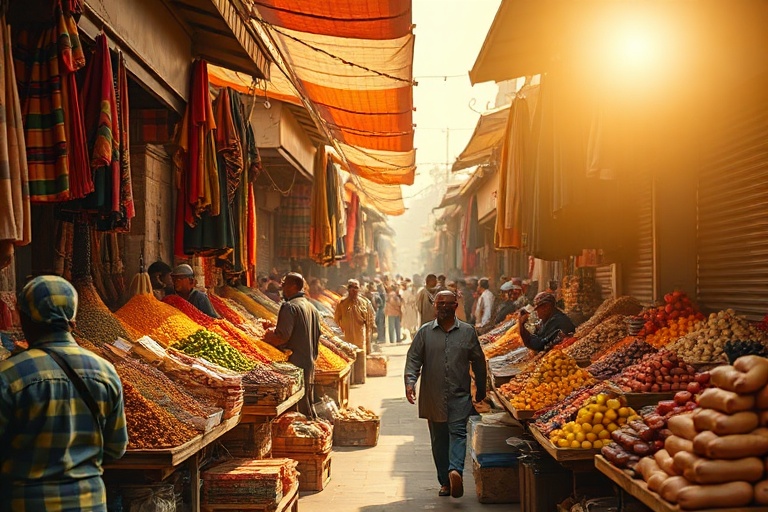
Ethiopia’s cultural diversity is reflected in its over 80 ethnic groups, each with distinct languages, traditions, and cuisines. The Oromo, Amhara, and Tigrayan peoples form the largest groups, but smaller communities like the Mursi, with their distinctive lip plates, or the Surma, known for body paint and stick fighting, add to the nation’s vibrant tapestry. Language diversity is equally striking, with over 80 indigenous languages spoken, including Amharic, Oromo, and Tigrinya. Amharic uses the Ge’ez script, one of the oldest writing systems still in use today.
The Flavors of Ethiopia: A Culinary Journey
Ethiopian cuisine is a highlight of the country’s cultural identity. The centerpiece of most meals is injera, a sourdough flatbread made from teff flour, which serves as both plate and utensil. Dishes like doro wat (spicy chicken stew) and tibs (sautéed meat) are staples, often enjoyed communally. The country’s coffee ceremony is a ritualistic experience, involving roasting green coffee beans, brewing them in a clay pot called a jebena, and serving them in three rounds to symbolize friendship and respect.
Ethiopia is also the birthplace of coffee. Legend attributes its discovery to a 9th-century goat herder named Kaldi, who noticed his goats became energetic after consuming red berries from a certain shrub. Today, Ethiopia is the largest coffee producer in Africa and the world’s fifth-largest exporter. The country’s coffee varieties, such as Heirloom and Geisha, are prized globally for their unique flavors and aromatic profiles.
Modern Ethiopia: Challenges and Progress
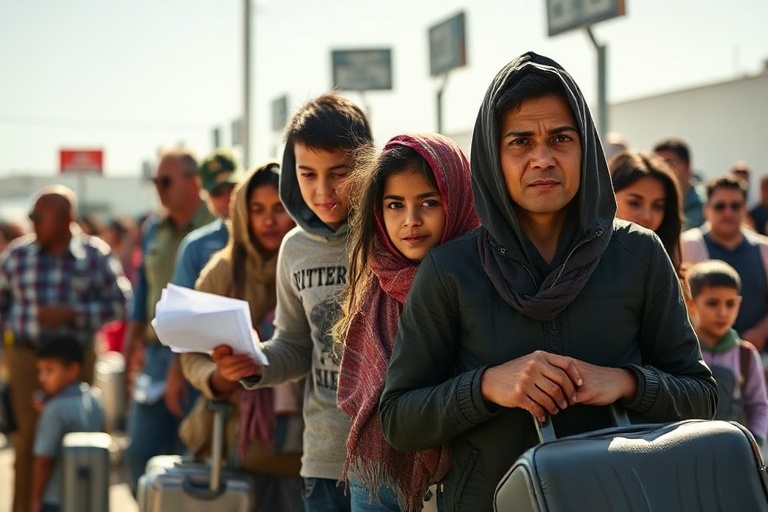
Despite its rich history and culture, Ethiopia faces significant challenges. Political instability, ethnic tensions, and economic disparities have marred recent years. The Tigray War (2020-2022) between the federal government and the Tigray People’s Liberation Front resulted in a devastating humanitarian crisis, with thousands killed and millions displaced. The conflict highlighted deep-rooted ethnic divisions and the fragility of Ethiopia’s federal system, which grants significant autonomy to its regions.
Economically, Ethiopia has shown remarkable growth. With an average annual GDP growth rate of over 9% in the past decade, it is one of the fastest-growing economies in the world. The government’s focus on infrastructure, such as the Addis Ababa-Djibouti Railway and the Grand Ethiopian Renaissance Dam (GERD), underscores its ambition to become a regional economic powerhouse. The GERD, a hydroelectric dam on the Blue Nile, has sparked tensions with downstream countries like Egypt and Sudan, which depend on the Nile’s waters for their own development.
Environmental Concerns and Sustainable Solutions
Ethiopia’s environmental challenges are as pressing as its political and economic ones. Deforestation, soil erosion, and desertification threaten the country’s agricultural productivity, which employs over 70% of the workforce. The government has launched initiatives like the Green Legacy campaign, which aims to plant 4 billion trees annually to combat climate change and restore degraded lands. Ethiopia’s commitment to reforestation is evident in its rapid increase in forest cover from 4% in the 2000s to over 15% today.
The country is also vulnerable to climate change, with droughts becoming more frequent and severe. The 2015-2016 El Niño-induced drought affected over 10 million people, leading to food shortages and malnutrition. International aid and local resilience programs have helped mitigate some of these effects, but long-term solutions require investment in drought-resistant crops and water management systems.
Ethiopia on the Global Stage
Ethiopia’s influence extends beyond its borders. The African Union (AU) has its headquarters in Addis Ababa, making the city a diplomatic hub for the continent. Ethiopia plays a key role in regional peacekeeping efforts, contributing troops to missions in Somalia and South Sudan. Its strategic location near the Red Sea and Bab-el-Mandeb strait, a critical chokepoint for global trade, further enhances its geopolitical significance.
The country is also making strides in technology and innovation. Addis Ababa’s tech scene is burgeoning, with startups like iCog Labs and EthioChicken gaining international attention. iCog Labs, for example, is developing AI solutions for agriculture, while EthioChicken provides affordable day-old chicks to rural farmers, improving food security. Ethiopia’s youth population, one of the youngest in the world, is driving this entrepreneurial spirit, though youth unemployment remains a critical issue.
The Diaspora: A Bridge to the World
Ethiopia’s diaspora is estimated at 2.5 million people, many of whom live in the United States, Europe, and the Middle East. The diaspora plays a vital role in the country’s economy, sending remittances that account for nearly 4% of GDP. Remittances from Ethiopians abroad reached $7 billion in 2022, surpassing foreign direct investment and official development aid. The government has established the Ethiopian Diaspora Trust Fund to channel these funds into development projects, from road construction to healthcare.
Culturally, the diaspora has preserved Ethiopian traditions abroad, from annual celebrations like Timkat (Epiphany) to the global popularity of Ethiopian restaurants. In cities like Washington D.C. and Toronto, Ethiopian communities thrive, offering a taste of home through cuisine and community events. The diaspora’s influence is also evident in music and sports, with Ethiopian athletes like Abebe Bikila, who won gold in the 1960 Rome Olympics, and modern stars like marathon runner Kenenisa Bekele, inspiring pride back home.
Looking Ahead: Ethiopia’s Path Forward
Ethiopia’s future hinges on balancing tradition with progress. The government’s recent reforms, including the release of political prisoners and the signing of peace agreements, signal a commitment to reconciliation. However, ethnic federalism, which grants autonomy to regions based on ethnicity, remains a contentious issue. Critics argue it exacerbates divisions, while supporters believe it protects minority rights. The 2023 peace deal with the Oromo Liberation Army offers hope, but lasting stability will require inclusive dialogue and economic opportunities for all ethnic groups.
Investment in education is another critical priority. Ethiopia’s literacy rate has improved from 36% in 2000 to over 50% today, but challenges remain, particularly in rural areas. The government’s Education Sector Roadmap aims to achieve universal primary education by 2030, but teacher shortages and inadequate infrastructure hinder progress. NGOs and international partners are working to bridge these gaps, with programs like Room to Read focusing on girls’ education and literacy.
As Ethiopia moves forward, it must also address environmental sustainability. The country’s commitment to renewable energy, particularly hydropower and geothermal, positions it as a leader in Africa’s green energy transition. The GERD, despite its controversies, represents a step toward energy independence and could power industrialization. However, climate change poses an existential threat, and Ethiopia’s vulnerability to droughts and erratic rainfall demands urgent action.
Ethiopia’s story is one of resilience, innovation, and cultural richness. From its ancient roots to its modern challenges, the country embodies the complexities of nation