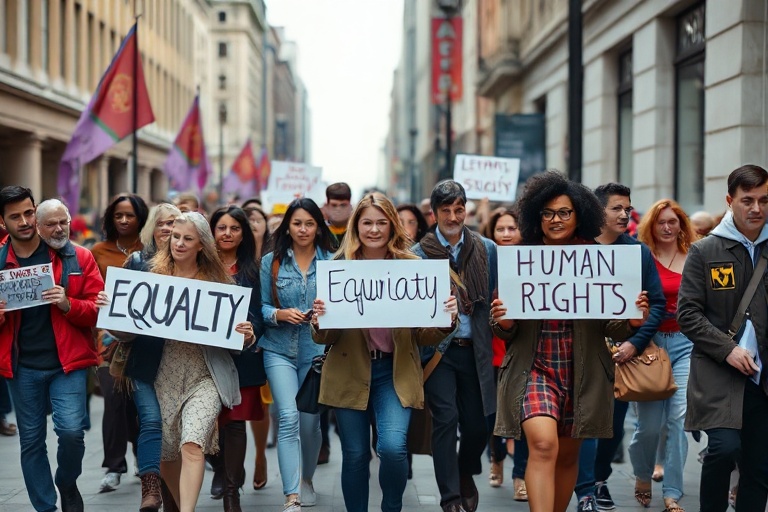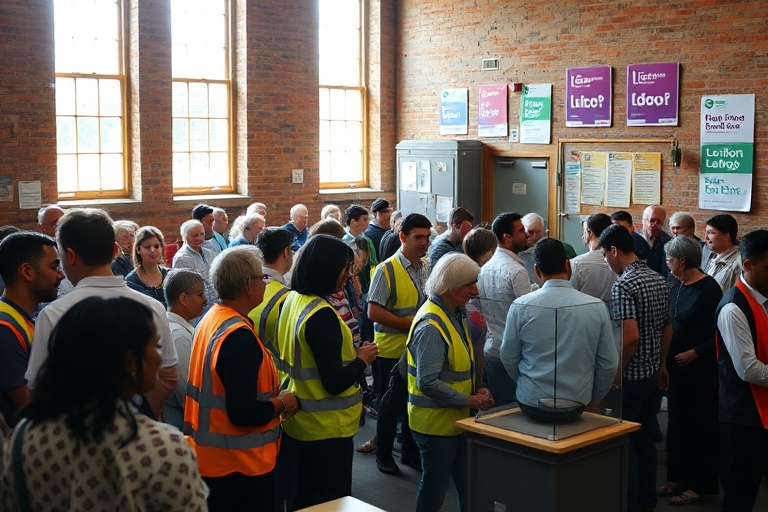
The 2026 local elections in Haringey are poised to shape the future of the borough, with residents preparing to cast their votes for councillors and potentially a new mayor. As political parties gear up for campaign season, the stakes remain high amid shifting demographics and evolving community priorities. This election cycle arrives at a critical juncture, with housing, transport, and public services dominating voter concerns.
Key Issues Shaping the 2026 Campaign
The upcoming election will test the effectiveness of existing local policies while spotlighting fresh challenges. Housing affordability remains the most pressing issue, with rising rents and limited social housing stock pushing residents to demand urgent action. Transport infrastructure also looms large, as commuters grapple with unreliable services and calls for improved connectivity grow louder.
Education and youth services are another focal point, with parents and activists pushing for better funding and facilities. Meanwhile, environmental sustainability has gained traction, as climate-conscious voters urge candidates to prioritise green initiatives. These issues are not isolated; they reflect broader trends across London and the UK.
Voter Priorities in Haringey
- Affordable Housing: The demand for more social housing and stricter rent controls is intensifying.
- Transport Improvements: Residents want better bus routes, safer cycling paths, and reliable tube services.
- Education Funding: Schools and youth clubs face budget cuts, prompting calls for increased investment.
- Sustainability Goals: Voters are pushing for carbon-neutral policies and expanded green spaces.
- Community Safety: Rising crime rates have heightened concerns about policing and neighbourhood security.
Party Strategies and Candidate Profiles
Political parties are already laying the groundwork for their campaigns. Labour, which currently holds most seats in Haringey, will aim to defend its dominance while addressing criticisms over service delivery. The Conservatives are expected to challenge Labour’s incumbency, focusing on crime reduction and economic growth. Meanwhile, the Green Party and Liberal Democrats are pushing for progressive policies, particularly on housing and climate action.
Independent candidates are also entering the fray, capitalising on local discontent with mainstream politics. Their success could signal a broader shift toward community-led representation. High-profile candidates, including incumbent councillors and newcomers, will play pivotal roles in shaping the narrative.
Notable Figures to Watch
The 2026 election may see familiar faces return or new leaders emerge. Here are a few names to keep an eye on:
- Cllr Peray Ahmet: A Labour councillor known for her advocacy on housing and social justice issues.
- Oliver Sears: A Conservative candidate focusing on crime reduction and economic revitalisation.
- Caroline Russell: The Green Party’s candidate, pushing for radical climate and transport reforms.
- Newcomer Maria Patel: An independent candidate with a background in community organising.
Broader Implications for London and Beyond
The outcome of Haringey’s 2026 elections could reverberate across London, influencing policy debates and voter behaviour in neighbouring boroughs. A Labour victory would reinforce the party’s dominance in urban areas, while Conservative gains could signal a resurgence in traditionally Labour-leaning regions. The Greens’ performance may also provide insights into the growing appeal of environmental politics.
Nationally, Haringey’s election could reflect broader trends in local governance, particularly as voters grow increasingly frustrated with centralised decision-making. The results may encourage other councils to adopt more participatory approaches, empowering communities in shaping their futures.
Lessons from Past Elections
Haringey’s political landscape has shifted significantly over the past decade. Labour’s stronghold has faced challenges from grassroots movements and smaller parties, highlighting the borough’s diversity of opinion. The 2022 elections saw a record number of young voters participating, a trend that could repeat in 2026.
Turnout will be a critical factor. Historically, local elections in Haringey have seen lower participation compared to general elections, but recent mobilisation efforts may change that. Candidates who can energise younger and marginalised voters stand to gain a crucial advantage.
What Comes Next?
As the campaign season heats up, residents should prepare for a lively debate on the future of Haringey. Whether through town hall meetings, social media campaigns, or doorstep canvassing, candidates will vie for attention. Voters, in turn, must weigh the promises against the realities of governance.
The 2026 elections are more than a routine political exercise; they are a referendum on how Haringey addresses its most pressing challenges. The decisions made at the ballot box will shape the borough for years to come, influencing everything from housing policies to public safety initiatives.
For those interested in local politics, now is the time to engage. Attend hustings, review manifestos, and question candidates on the issues that matter most. The future of Haringey depends on an informed and active electorate.
To dive deeper into local political trends, explore Dave’s Locker Politics section. For broader analysis on urban governance, visit Dave’s Locker News page.