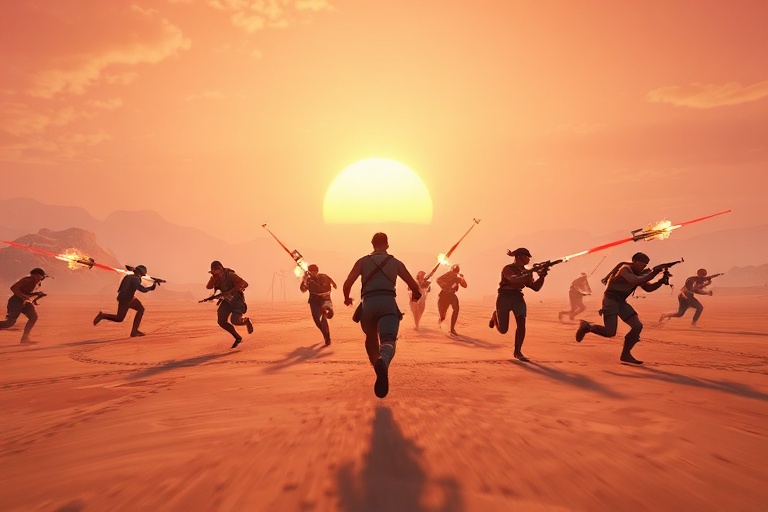
What Is Fortnite Zero Build?
Fortnite’s Zero Build mode arrived in late 2022 as a radical departure from the game’s signature mechanics. While the standard battle royale experience revolves around gathering materials to build defensive structures, Zero Build strips away that layer entirely. Players fight exclusively with weapons and items, relying solely on positioning, movement, and tactical play. The shift was more than a simple toggle—it represented a philosophical reimagining of what a Fortnite match could feel like.
Epic Games introduced this mode in response to growing player fatigue with the build-heavy meta. Surveys and community feedback revealed that many casual and competitive players found building too complex or time-consuming. Zero Build offered a streamlined alternative that emphasized raw gunplay and environmental awareness. Within weeks, it became one of the most-played modes in Fortnite’s history, reshaping how millions of players approached the game.
The Cultural Ripple Effect of Zero Build
Fortnite has long served as a cultural barometer, reflecting broader trends in gaming and digital entertainment. Zero Build’s release coincided with a global surge in nostalgia-driven content and a renewed interest in fast-paced, skill-based shooters. Titles like Call of Duty and Valorant had already popularized tactical shooters without construction mechanics, creating fertile ground for Zero Build’s success.
Its adoption extended beyond traditional gamers. Streamers who once struggled with build mechanics—particularly younger players or those with motor skill limitations—found new footing in Zero Build. Content creators on platforms like Twitch and YouTube quickly pivoted to highlight the mode’s accessibility. Competitive scenes also evolved, with Zero Build tournaments attracting top-tier players who thrived in its stripped-down environment.
Globally, the mode’s simplicity resonated with diverse audiences. In regions like Southeast Asia and Latin America, where internet infrastructure can be inconsistent, Zero Build’s lower system requirements made it more accessible than traditional Fortnite matches. Meanwhile, in competitive gaming hubs like South Korea and Europe, Zero Build sparked debates about balance, skill expression, and the future of battle royale design.
The Role of Community Feedback in Shaping Zero Build
Epic Games’ iterative approach to Zero Build set a new standard for live-service games. Instead of treating the mode as a static experiment, developers treated it as a living system, rolling out frequent updates based on player data and feedback. Key changes included adjustments to weapon balance, loot distribution, and even map design to better suit the mode’s faster pace.
The community played an active role in this evolution. Players shared clips of clutch plays, identified balance issues, and proposed creative solutions through forums and social media. Epic responded by introducing features like plasma storm, a dynamic weather mechanic that forced movement and strategy, and zero build-exclusive items, such as mobility-enhancing gear.
- Weapon Refinements: Shotguns and SMGs received accuracy boosts to reward precision over spray-and-pray tactics.
- Loot Overhaul: Chests were redistributed to favor high-traffic areas, reducing the frustration of landing in sparse zones.
- Map Tweaks: Smaller, more compact maps like Rumble Ruins became staples of Zero Build, encouraging faster rotations.
This collaborative process underscored a shift in how games are developed. Zero Build demonstrated that player-driven evolution could enhance a title’s longevity, turning what began as a niche experiment into a cornerstone of Fortnite’s identity.
Zero Build in the Competitive Arena
The rise of Zero Build also transformed Fortnite’s esports ecosystem. While the standard competitive mode (Chapter 4, Season 1) remained dominant, Zero Build carved out its own niche in tournaments. Events like the Zero Build Trios Series attracted thousands of participants, with prize pools rivaling major third-party competitions.
Professional players adapted quickly, developing new playstyles that prioritized movement and positioning. Mechanics like mantling (climbing ledges quickly), sprint jumps, and tactical reloads became essential skills. Unlike traditional Fortnite, where build battles could last minutes, Zero Build matches often concluded in under two minutes, demanding split-second decision-making.
This shift also influenced the broader battle royale meta. Other games, such as Apex Legends and PUBG, began experimenting with modes that limited or removed building mechanics. Meanwhile, Fortnite’s success with Zero Build proved that innovation could thrive even within established franchises.
The Future of Zero Build and Battle Royale Design
As Fortnite continues to evolve, Zero Build remains a bellwether for the future of battle royale games. Its success has emboldened developers to explore hybrid modes that blend traditional and non-traditional mechanics. For example, Fortnite’s Mythic Mode, introduced in 2023, combined limited building with high-stakes objectives, offering a middle ground for players who wanted more complexity.
Looking ahead, Zero Build could inspire entirely new genres. The mode’s emphasis on movement and gunplay aligns with the rise of hyper-skill-based shooters like Splitgate and Crucible. Meanwhile, its accessibility has opened doors for players who might have been intimidated by Fortnite’s steep learning curve.
The global gaming community is watching closely. Will Zero Build become a permanent fixture, or will it fade as another experimental mode? One thing is certain: its impact has already reshaped how developers and players think about battle royale design.
Conclusion: A New Chapter for Fortnite and Beyond
Fortnite Zero Build is more than just a mode—it’s a testament to the power of player-driven innovation. By listening to feedback and taking bold risks, Epic Games not only revitalized a beloved franchise but also set a new standard for how live-service games can evolve. Zero Build’s legacy will likely extend far beyond Fortnite, influencing the next generation of shooters and battle royale titles.
For players, Zero Build offers a refreshing alternative to the grind of material collection. For developers, it provides a blueprint for balancing accessibility with depth. And for the gaming community, it’s a reminder that even the most established games can still surprise us.
As Fortnite marches into its next chapter, Zero Build stands as a symbol of what happens when creativity meets collaboration. Whether you’re a die-hard competitive player or a casual fan, there’s never been a better time to jump into the action.