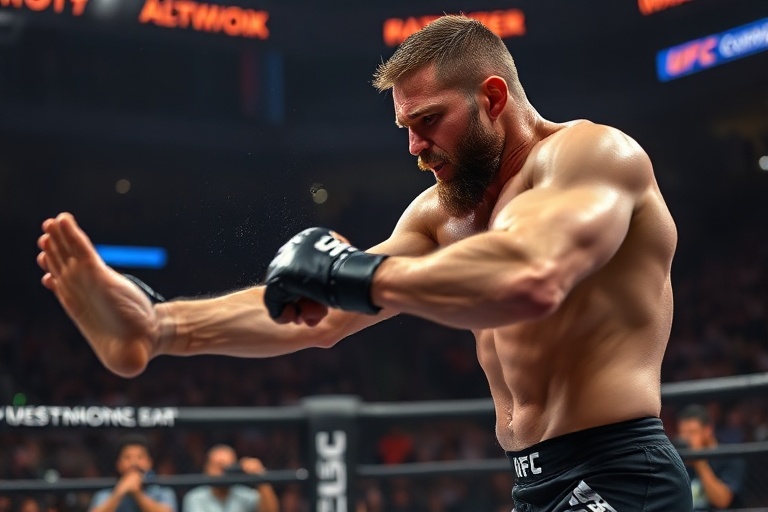
gina carano
Gina Carano: From MMA Champion to Cultural Symbol
Gina Carano’s career has followed an unusual path—one that began inside the cage as a pioneering mixed martial artist and evolved into a complex cultural figure whose public battles extend far beyond the octagon. Born in 1982 in Dallas, Texas, Carano rose to prominence in the late 2000s as one of the first high-profile female fighters in the UFC, her striking skills and charismatic presence helping to legitimize women’s MMA on a global stage.
But Carano’s story took a dramatic turn when she transitioned from combat sports to acting, most notably in the Fast & Furious franchise, before becoming a polarizing public figure due to her outspoken views and legal disputes with Disney. Her trajectory reflects broader tensions around free speech, corporate influence, and the intersection of sports, entertainment, and politics in the 21st century.
The Rise of a Trailblazer in Combat Sports
Carano’s entry into MMA coincided with a period when the sport was rapidly expanding its audience. In an era when female fighters still fought for recognition, she became one of the most visible faces of women’s MMA. Her professional record of 11 wins and 3 losses—including victories over notable opponents like Julie Kedzie and Tonya Evinger—earned her a reputation as a skilled striker with knockout power.
Beyond her athletic achievements, Carano brought a level of media savvy rare among fighters at the time. She embraced mainstream attention, appearing in documentaries like Fightville and even being dubbed “The Face of Women’s MMA” by some outlets. Her crossover appeal was undeniable, paving the way for later stars such as Ronda Rousey and Cris Cyborg.
However, her UFC career peaked relatively early. After a loss to Cris Cyborg in 2011, Carano’s focus shifted toward acting. She landed roles in films like Fast & Furious 6 (2013) and In the Gray (2014), demonstrating a talent for on-screen presence that mirrored her charisma in the ring.
From Hollywood to Headlines: The Disney Controversy
Carano’s transition from athlete to entertainer was smooth at first, but her public persona took a contentious turn in 2021 when she was fired from her recurring role in The Mandalorian after a series of controversial social media posts. Disney, the parent company of Lucasfilm, cited Carano’s statements—some of which were deemed transphobic and anti-vaccine—as violating its inclusive workplace policies.
The incident sparked a global debate about corporate censorship, artistic freedom, and the responsibilities of public figures. Supporters argued that Carano’s firing amounted to viewpoint discrimination, a violation of free speech principles. Critics, however, contended that platforms—especially those with vast cultural influence—have the right to enforce standards that align with their values.
Carano responded by filing a wrongful termination lawsuit against Disney and Lucasfilm, alleging discrimination based on her political beliefs. The case, which is ongoing as of 2024, has drawn attention from free speech advocates, media analysts, and fans across political spectrums. It also raised questions about the power of entertainment conglomerates to shape cultural narratives under the guise of corporate responsibility.
A Global Perspective: Free Speech, Identity, and Public Figures
Carano’s story is not isolated. It reflects a growing global trend in which athletes and entertainers—once seen primarily as performers or competitors—are increasingly thrust into debates about identity, ideology, and representation. In countries like France, Germany, and Brazil, similar controversies have emerged around athletes expressing political views, with consequences ranging from social media bans to team suspensions.
In the United States, where free speech protections are constitutionally enshrined, the Carano case highlights a paradox: while individuals have the right to express unpopular opinions, corporations are not obligated to employ or platform those who hold them. This tension has led to a redefinition of public discourse, where personal beliefs and professional opportunities are increasingly intertwined.
Carano’s supporters often frame her as a victim of ideological intolerance, while critics argue that her rhetoric has real-world consequences. The debate over her firing illustrates how identity politics, corporate ethics, and cancel culture intersect in ways that transcend national borders.
The Future of a Polarizing Icon
As of 2024, Gina Carano remains a figure of intense interest. She has continued to build her platform through podcasts, speaking engagements, and social media, where she frequently critiques what she describes as “woke culture” in Hollywood and beyond. Her defiant stance has resonated with some audiences, particularly in conservative and libertarian circles, while alienating others who view her comments as harmful.
Carano’s legacy is still being written. In the world of sports, she is remembered as a pioneer who helped elevate women’s MMA. In entertainment, she is seen as a cautionary tale about the limits of free expression in an age of corporate accountability. And in the broader cultural conversation, she embodies the challenges faced by public figures who challenge mainstream narratives.
One thing is clear: Gina Carano’s journey from fighter to figurehead reflects deeper shifts in how society views athletes, entertainers, and the boundaries of acceptable discourse. Whether she is remembered as a symbol of resistance or a cautionary example may depend largely on who is telling the story.
For those interested in the intersection of sports and culture, Carano’s story offers a compelling case study. It invites reflection on the roles we assign to athletes and celebrities, the power of corporations in shaping public discourse, and the evolving definition of free speech in a digital world. Entertainment and Sports enthusiasts alike will find in her narrative a mirror to broader societal changes.
- Carano’s UFC career helped legitimize women’s MMA in the late 2000s.
- Her firing from The Mandalorian ignited debates about corporate censorship and free speech.
- The ongoing lawsuit against Disney highlights tensions between personal beliefs and professional consequences.
- Her story reflects global trends in how public figures are judged for their expressed views.
As the conversation around identity, representation, and free expression continues, Carano remains a figure worth watching—not just for what she says, but for how her words and actions challenge the systems that define public life.