Hawaiian Monk Seals: Hawaii’s Endangered Ocean Guardians
The Hawaiian monk seal is one of the most endangered marine mammals in the United States. With fewer than 1,500 individuals remaining, this species is critically threatened by habitat loss, human interference, and climate change. Unlike their tropical surroundings, these seals are built for cold waters, making their struggle for survival even more precarious. Their story is not just one of conservation, but of cultural significance to Native Hawaiians and ecological balance in the Pacific.
Once hunted to near extinction in the 19th century, Hawaiian monk seals have faced renewed challenges in the modern era. Their recovery depends on coordinated efforts between scientists, policymakers, and local communities. Understanding their behavior, habitat needs, and the threats they face is essential to ensuring their survival. This article explores their unique biology, the reasons behind their decline, and what can be done to protect them.
The Biology and Behavior of Hawaiian Monk Seals
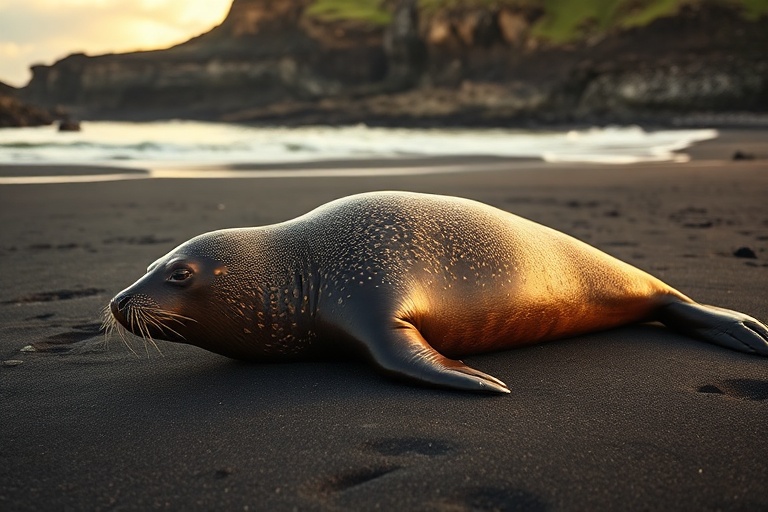
Hawaiian monk seals (Neomonachus schauinslandi) are one of only two surviving species of monk seals in the world, the other being the Mediterranean monk seal. They are pinnipeds, meaning they are fin-footed marine mammals, and are closely related to sea lions and walruses. Unlike sea lions, however, monk seals are solitary and do not form large colonies.
These seals are well-adapted to their environment. They have a streamlined body, large eyes for low-light vision, and a thick layer of blubber to insulate them in cooler waters. Adults typically weigh between 375 to 550 pounds, with males being slightly smaller than females. Their diet consists primarily of fish, cephalopods, and crustaceans, which they hunt in the shallow waters around the Hawaiian Islands.
One of their most distinctive behaviors is their use of sandy beaches for resting and breeding. Unlike many other seal species, Hawaiian monk seals do not migrate long distances. They are found almost exclusively within the Hawaiian archipelago, from Kure Atoll in the northwest to the main Hawaiian Islands in the southeast. This limited range makes them particularly vulnerable to localized threats.
Key Characteristics of Hawaiian Monk Seals
- Lifespan: Up to 30 years in the wild.
- Reproduction: Females give birth to a single pup every 1-2 years after a gestation period of about 11 months.
- Diet: Primarily fish, octopus, and lobsters.
- Habitat: Sandy beaches and shallow coastal waters of the Hawaiian Islands.
- Status: Critically endangered, with fewer than 1,500 individuals remaining.
The Decline of Hawaiian Monk Seals: Causes and Consequences
The Hawaiian monk seal population has declined by more than 50% since the mid-1980s. Several factors contribute to this decline, many of which are human-induced. Historically, the species was hunted by Polynesians and later by European and American sealers, nearly driving them to extinction by the late 1800s. While hunting has stopped, new threats have emerged in the 21st century.
The primary threats to Hawaiian monk seals today include:
- Habitat Loss: Coastal development, erosion, and rising sea levels reduce the availability of suitable beaches for resting and breeding.
- Human Interaction: Seals often encounter fishing gear, marine debris, and boat traffic, which can lead to injury or death. Disturbance by humans, even well-meaning wildlife enthusiasts, can disrupt their natural behaviors.
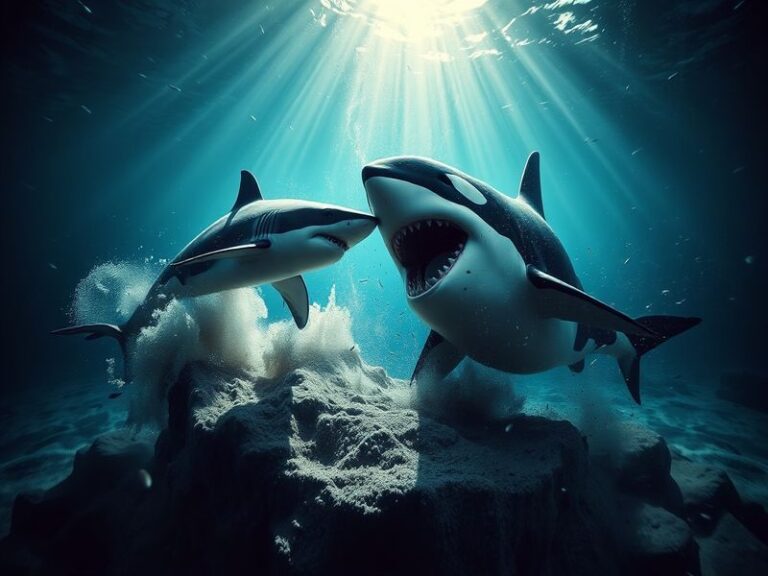
- Predation: Sharks are natural predators, but their interactions with monk seals have become more frequent due to changes in the ecosystem.
- Disease: Limited genetic diversity makes the population susceptible to outbreaks of infectious diseases.
- Climate Change: Warmer ocean temperatures and ocean acidification affect the availability of prey and degrade coral reef habitats that support marine life.
The consequences of this decline extend beyond the species itself. Hawaiian monk seals play a vital role in the marine ecosystem. As top predators, they help maintain the balance of fish populations and contribute to the health of coral reefs and other habitats. Their decline could have cascading effects on the broader ecosystem, including impacts on fisheries and tourism.
For Native Hawaiians, the monk seal holds deep cultural significance. Known as ʻIlio-holo-i-ka-uaua, or “dog that runs in rough water,” the seal is featured in Hawaiian legends and is considered an ʻaumakua, or ancestral guardian spirit. Protecting the monk seal is not just an ecological necessity but a cultural responsibility.
Conservation Efforts and What Lies Ahead
Protecting Hawaiian monk seals requires a multi-faceted approach that includes habitat restoration, public education, and scientific research. The National Oceanic and Atmospheric Administration (NOAA) and other organizations have implemented several key initiatives to aid in their recovery.
One of the most successful programs is the Hawaiian Monk Seal Recovery Program, which focuses on monitoring populations, rescuing injured seals, and reducing human-seal conflicts. For example, disentanglement teams remove fishing gear and debris from seals, while outreach programs educate beachgoers about how to safely observe seals without disturbing them.
Another critical effort is the translocation of seals from high-density areas to less populated regions. This helps reduce competition for resources and spreads the risk of disease outbreaks. However, these efforts are not without challenges, as relocating seals to new areas can sometimes lead to unintended consequences, such as increased predation or unfamiliarity with local prey.
Climate change remains one of the biggest hurdles. Rising sea levels and increased storm activity threaten the sandy beaches that monk seals rely on. Conservationists are exploring innovative solutions, such as creating artificial haul-out sites or restoring degraded habitats, to provide alternative resting spots.
How You Can Help Protect Hawaiian Monk Seals
Individuals can contribute to the conservation of Hawaiian monk seals in several ways:
- Respect beach closures and warning signs to avoid disturbing seals.
- Dispose of fishing line and other debris properly to prevent entanglement.
- Support organizations like NOAA’s Monk Seal Program or local Hawaiian wildlife groups through donations or volunteer work.
- Educate others about the importance of monk seals and the threats they face.
- Reduce your carbon footprint to help combat climate change, which indirectly affects seal habitats.
The Broader Implications of Their Survival
The plight of the Hawaiian monk seal is a microcosm of the broader challenges facing marine ecosystems worldwide. Their struggle highlights the interconnectedness of human activity, climate change, and biodiversity loss. Protecting this species is not just about saving one animal; it is about preserving the health of the entire Pacific ecosystem.
Moreover, the Hawaiian monk seal serves as an indicator of the health of Hawaii’s coastal environments. Their decline can signal broader ecological issues, such as overfishing, pollution, or habitat degradation. By focusing on their recovery, conservationists are also addressing these larger environmental concerns.
From a cultural perspective, the survival of the monk seal is intertwined with the preservation of Native Hawaiian traditions. Efforts to protect the seal often involve collaborations with local communities, ensuring that conservation strategies are culturally sensitive and respectful of traditional knowledge. This holistic approach can serve as a model for other conservation efforts around the world.
Looking ahead, the future of the Hawaiian monk seal depends on sustained commitment from governments, scientists, and the public. While the challenges are significant, the progress made so far demonstrates that conservation efforts can yield results. With continued dedication, there is hope that these iconic ocean guardians will thrive for generations to come.
For those interested in learning more about marine conservation or Hawaiian wildlife, explore related content on Dave’s Locker Science section and Travel category, where you can find articles on marine ecosystems and responsible ecotourism.
The Hawaiian monk seal is more than just an endangered species; it is a symbol of resilience and a reminder of the delicate balance between humans and nature. By taking action today, we can ensure that these remarkable creatures continue to grace Hawaii’s shores for years to come.