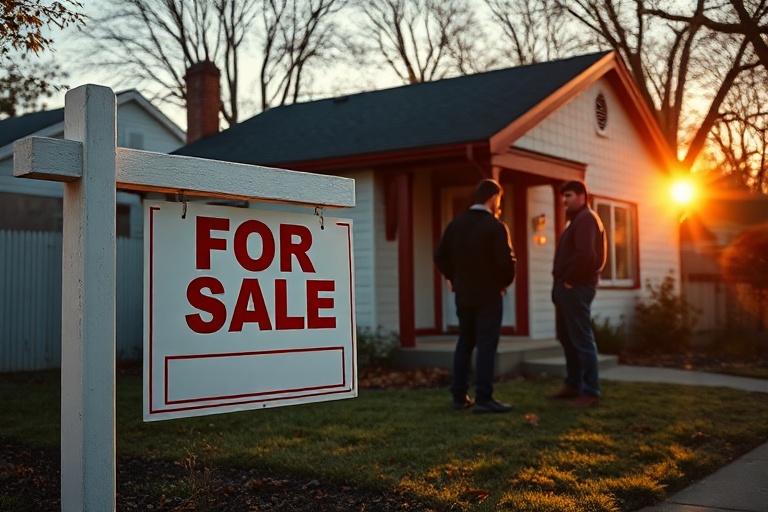
How Housing Prices Are Changing Communities and What Comes Next
Housing prices have become one of the most pressing economic issues of the past decade. Across major cities and suburban neighborhoods alike, the cost of owning or renting a home has skyrocketed, leaving many to wonder what’s driving this relentless upward trend. While some argue that rising prices reflect natural market forces, others point to systemic issues that threaten the stability of entire communities.
The consequences extend beyond individual homeowners. Local businesses struggle as employees relocate in search of affordable living. Schools face declining enrollment when young families are priced out. Even the character of neighborhoods changes as long-term residents are forced to move, altering the social fabric of communities.
The Drivers Behind the Surge in Housing Costs
Several interconnected factors contribute to the persistent rise in housing prices. Supply and demand play a central role, but the dynamics are more complex than simple scarcity. Here are the key forces at work:
- Limited Housing Supply: In many urban areas, zoning laws and restrictive building codes have stifled new construction. Developers face lengthy approval processes, high costs, and community resistance to denser housing, keeping supply artificially low.
- Investor Activity: Large investment firms and private equity groups have entered the housing market, purchasing single-family homes and converting them into rental properties. This reduces available inventory for would-be homeowners and drives up prices through aggressive bidding wars.
- Inflation and Construction Costs: Rising material costs, labor shortages, and supply chain disruptions have made building new homes more expensive. These costs are then passed on to buyers, further inflating prices.
- Low Interest Rates (Until Recently): Historically low mortgage rates over the past decade have fueled demand, allowing buyers to stretch their budgets further. Even as rates rise, the aftereffects of this era continue to influence the market.
- Remote Work and Urban Shifts: The pandemic accelerated migration patterns, with many seeking more space in suburbs or smaller cities. This sudden influx of demand in previously overlooked areas has driven up prices in unexpected regions.
These factors don’t operate in isolation. Instead, they create a feedback loop where each driver amplifies the others, making the problem increasingly difficult to address.
The Human Impact: Who Bears the Burden?
The effects of rising housing prices are unevenly distributed, disproportionately affecting low- and middle-income households. For renters, the situation is particularly dire. In many cities, rent increases outpace wage growth, forcing households to allocate an unsustainable portion of their income to housing costs. The result is a growing population of rent-burdened individuals—those spending more than 30% of their income on rent—who have little left for savings, healthcare, or education.
Homeownership, once a cornerstone of the American Dream, is slipping further out of reach for younger generations. Millennials and Gen Z face steep hurdles, including student debt, stagnant wages, and high home prices. As a result, many are delaying major life milestones like marriage and starting families, reshaping societal norms in the process.
For long-term residents in gentrifying neighborhoods, the emotional toll is significant. Displacement doesn’t just mean moving to a cheaper area; it often means leaving behind communities, schools, and support networks built over years or even decades. The loss of these social connections can have long-term psychological and economic consequences.
Policy Responses: What’s Being Done—and What’s Missing
Governments at all levels have attempted to address the housing crisis, but solutions have been fragmented and often insufficient. Some of the most discussed policy interventions include:
- Zoning Reform: Cities like Minneapolis and Portland have relaxed zoning laws to allow for more duplexes, triplexes, and small apartment buildings in single-family neighborhoods. These changes aim to increase housing supply without dramatically altering neighborhood character.
- Affordable Housing Initiatives: Subsidized housing programs and tax incentives for developers have been expanded in some areas, though critics argue these efforts are piecemeal and don’t scale to meet demand.
- Rent Control: Some states and cities have implemented rent stabilization policies to protect tenants from sudden, extreme increases. However, landlord groups often oppose these measures, citing reduced incentives for property maintenance and new construction.
- Tenant Protections: Eviction moratoriums and just-cause eviction laws have been enacted in several states to provide stability for renters. These policies aim to prevent predatory landlord practices that exacerbate housing insecurity.
- Incentivizing New Construction: Tax breaks and streamlined permitting processes are being used to encourage developers to build more housing, particularly in high-demand areas.
Despite these efforts, critics argue that many policies fail to address the root causes of the crisis. For example, rent control can help existing tenants but doesn’t increase supply. Zoning reform may take years to yield results, and in the meantime, prices continue to climb. Meanwhile, federal investment in affordable housing remains inconsistent, leaving local governments to shoulder much of the burden.
Looking Ahead: What’s Next for the Housing Market?
The trajectory of housing prices remains uncertain. Some economists predict a slowdown in price growth as higher interest rates cool demand, while others warn that structural issues—like chronic underbuilding and investor dominance—will keep prices elevated for years to come. The Biden administration’s recent proposals, including tax credits for first-time homebuyers and investments in affordable housing, could provide some relief, but their impact remains to be seen.
For now, the housing crisis shows no signs of abating. Communities must grapple with the social and economic fallout of displacement, while policymakers struggle to balance growth with equity. The challenge ahead is not just about building more homes—it’s about building a system that ensures housing is accessible, stable, and sustainable for all.
One thing is clear: the status quo is unsustainable. Whether through policy changes, market adjustments, or a combination of both, the way we approach housing will need to evolve. The question isn’t just how we’ll adapt, but how quickly we can do so before the crisis deepens further.
For those navigating this landscape, the path forward may be unclear, but one thing is certain—housing prices will continue to shape our lives in ways both seen and unseen.
For more insights into economic trends and their broader implications, visit our Finance and News sections.