Leeds City Council: A Local Authority Shaping Urban Futures
Leeds City Council stands as one of the most dynamic local authorities in the United Kingdom, overseeing a city that blends historic charm with rapid modernization. As the largest metropolitan district in England by population, Leeds faces unique challenges and opportunities in urban governance. The council’s decisions ripple through the lives of over 800,000 residents, influencing everything from transportation and housing to cultural initiatives and economic growth.
Unlike smaller municipalities, Leeds operates under a cabinet system, where decisions are made by a group of elected leaders rather than a single executive mayor. This structure encourages collaboration but also demands careful negotiation among political factions. The council’s responsibilities span education, social care, waste management, and economic development, making it a critical player in the region’s stability and progress.
The Council’s Structure and Political Landscape
Leeds City Council comprises 99 councillors representing 33 wards. The political composition has shifted in recent years, with the Labour Party maintaining a majority but facing growing scrutiny over its policies. The council’s cabinet, led by the leader of the council, is responsible for setting strategic priorities and allocating budgets. However, the influence of opposition parties—particularly the Conservatives and the Green Party—often shapes public debate and policy adjustments.
One of the council’s most visible roles is in urban planning. Leeds has undergone significant redevelopment in the past decade, with projects like the South Bank regeneration transforming former industrial zones into thriving cultural and commercial hubs. Yet, these changes have not been without controversy, as rapid gentrification displaces long-term residents and raises concerns about affordability.
Economic and Social Challenges in a Growing City
Leeds is often hailed as the economic engine of Yorkshire, contributing billions to the regional economy annually. Key industries include finance, legal services, and digital technology, with companies like Asda, Sky Betting & Gaming, and Channel 4 establishing headquarters or major operations in the city. However, this economic success masks deep-seated inequalities. The council must address disparities in income, education, and health outcomes across different neighborhoods.
A 2023 report by the Joseph Rowntree Foundation highlighted that over 20% of Leeds residents live in poverty, with child poverty rates exceeding 30% in some areas. The council has responded with initiatives like the Leeds Poverty Truth Commission, which brings together people with lived experience of poverty to shape policy. Still, critics argue that these efforts are underfunded compared to the scale of the problem.
Cultural and Environmental Initiatives
Beyond its administrative duties, Leeds City Council plays a pivotal role in the city’s cultural identity. The council oversees venues like the Leeds Playhouse and the Leeds International Piano Competition, ensuring that arts and heritage remain accessible to all. In 2022, the council launched the Leeds Cultural Strategy, aiming to make the city a global leader in creative industries while addressing barriers to participation.
Environmental sustainability is another key focus. Leeds has committed to achieving net-zero carbon emissions by 2030, a target that requires overhauling public transport, retrofitting buildings, and reducing waste. The council’s Leeds Climate Commission brings together businesses, academics, and community groups to drive this transition. Yet, progress has been uneven, with critics pointing to delays in expanding cycling infrastructure and improving air quality.
The Council’s Role in Education and Social Care
Education remains a contentious issue in Leeds. The council is responsible for over 200 schools, but funding cuts and staff shortages have strained the system. In 2023, the council reported a £50 million shortfall in its education budget, forcing difficult decisions about resource allocation. Meanwhile, social care faces similar pressures, with rising demand for services and a shrinking workforce.
The council has explored innovative solutions, such as the Leeds City Region Careers Hub, which connects schools with local employers to better prepare students for the job market. However, the long-term sustainability of these programs depends on stable funding and political will.
Global Comparisons: How Leeds Measures Up
Leeds’ challenges are not unique. Cities like Manchester, Birmingham, and Glasgow grapple with similar issues of inequality, housing affordability, and climate adaptation. However, Leeds distinguishes itself through its relatively strong economic performance and collaborative governance model. Unlike some European cities where local authorities have limited power, Leeds City Council retains significant control over taxation and service delivery.
Yet, the council’s ability to innovate is constrained by austerity measures and central government policies. For example, the UK government’s Levelling Up Fund has provided some investment, but critics argue that the funding criteria favor wealthier areas. This has led to calls for devolution of more powers to local authorities, allowing them to tailor solutions to their communities.
Public Perception and Future Outlook
Public trust in the council has fluctuated in recent years. A 2023 YouGov poll found that only 42% of Leeds residents were satisfied with the council’s performance, citing concerns over transparency and service delivery. However, the council has also received praise for its handling of the COVID-19 pandemic, particularly in distributing business grants and supporting vulnerable residents.
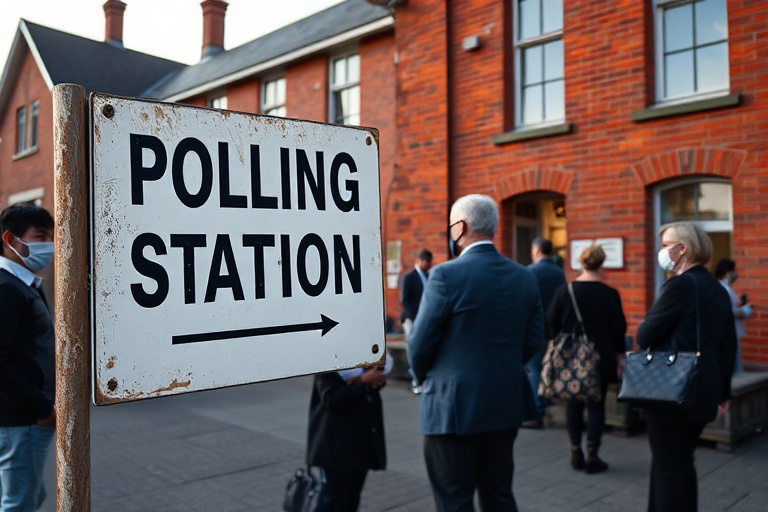
The upcoming local elections will be a critical test for the council’s leadership. With housing, climate change, and economic recovery dominating the agenda, the next administration will need to balance short-term needs with long-term vision. For residents, the stakes are high—Leeds’ future as a vibrant, inclusive city depends on the council’s ability to navigate these challenges.
Conclusion: A City at a Crossroads
Leeds City Council operates in a landscape defined by rapid change and persistent inequality. Its decisions shape the daily lives of hundreds of thousands of people, from the child walking to school in a deprived neighborhood to the young professional commuting to a high-rise office. The council’s successes and failures offer lessons for other urban areas grappling with similar issues.
As Leeds continues to evolve, the council’s ability to foster collaboration—between political parties, between the public and private sectors, and between different communities—will determine whether the city thrives or falters. For now, the work goes on, one budget meeting, one planning application, and one community initiative at a time.