EV Charging Points: The Hidden Backbone of the Electric Revolution
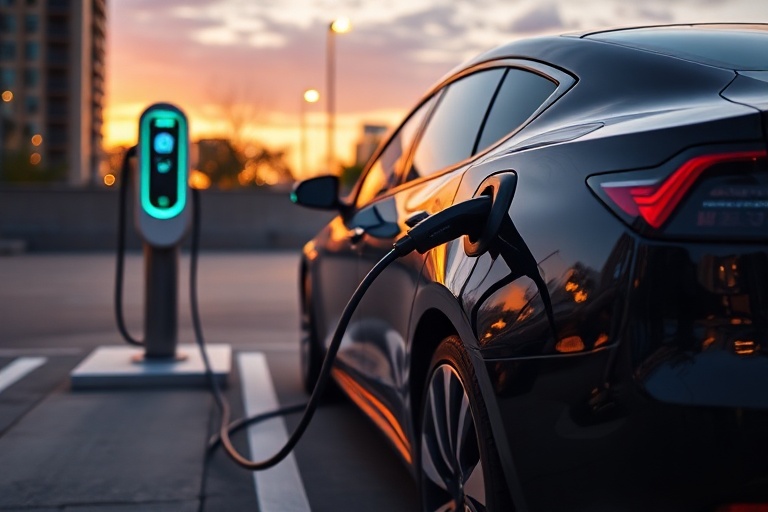
Electric vehicles have quietly moved from niche curiosity to mainstream necessity, and at the heart of this transition lies a critical but often overlooked component: the charging infrastructure. EV charging points are no longer just an amenity; they are the invisible arteries that will determine whether the electric revolution succeeds or stalls. Cities that fail to adapt risk becoming obsolete in a transportation landscape that demands both speed and sustainability.
The Current State of EV Charging Infrastructure
As of 2024, the global EV charging network has expanded dramatically, yet it remains unevenly distributed. Europe leads with over 600,000 public charging points, while the United States lags behind despite having one of the largest vehicle markets. The disparity becomes even more pronounced when comparing urban centers to rural areas, where charging deserts persist. According to the International Energy Agency, 80% of public charging occurs in just 10 countries, highlighting a global imbalance.
The technology itself is evolving rapidly. Fast chargers, capable of delivering 80% charge in under 20 minutes, are becoming standard in metropolitan areas. Wireless charging, still in its infancy, promises to eliminate cables entirely. Meanwhile, battery-swapping stations, pioneered by companies like NIO in China, offer an alternative model that could redefine convenience. Yet, despite these advancements, the infrastructure remains fragmented. Payment systems vary by region, and compatibility issues between different charging networks frustrate drivers.
Key Challenges Facing EV Charging Expansion
- Grid capacity: Cities like San Francisco and Amsterdam are upgrading electrical grids to handle surging demand, but many municipalities lack the funding or political will to modernize aging infrastructure.
- Location logistics: Finding suitable real estate for charging hubs in dense urban areas is expensive. Parking garages and street-side poles compete with housing and commercial development.
- Standardization gaps: The absence of a universal charging standard forces manufacturers to adapt, leaving drivers confused about which plugs and networks work with their vehicles.
- Cost barriers: While the cost of charging an EV is lower than gasoline over time, the upfront expense of installing high-speed chargers deters small businesses and municipalities.
Urban Planning Meets Energy Policy
The placement of EV charging points is not just an engineering challenge—it is a social and economic one. Cities that prioritize equitable access are seeing tangible benefits. Oslo, for instance, has made public charging free in certain zones, reducing carbon emissions by 30% since 2015. In contrast, Los Angeles’ slow rollout of charging infrastructure has contributed to persistent air quality issues in low-income neighborhoods.
Governments are beginning to recognize that charging networks must be integrated into broader urban planning. New building codes in cities like London now require new residential and commercial developments to include EV charging infrastructure. Amsterdam goes further, mandating that 20% of parking spaces in new constructions must have charging points by 2025. These policies reflect a shift from reactive measures to proactive urban design.
The role of private enterprise cannot be overstated. Companies like ChargePoint and Tesla have built vast networks, but their profit-driven models often leave underserved areas behind. Public-private partnerships are emerging as a solution, with governments offering tax incentives for businesses that install chargers in rural or low-income districts. This collaboration could bridge the gap until market forces alone can sustain growth.
The Broader Implications for Energy and Society
EV charging points are more than just a convenience—they are a catalyst for systemic change. The rise of electric vehicles is accelerating the decarbonization of transportation, but it also places new demands on the electrical grid. Smart grids, which use real-time data to balance supply and demand, are becoming essential. Utilities are experimenting with time-of-use pricing, encouraging drivers to charge during off-peak hours to reduce strain on the system.
This transition also has geopolitical implications. Countries that dominate the production of lithium, cobalt, and rare earth metals—key components in EV batteries—are gaining leverage. The shift away from fossil fuels could reduce reliance on oil-producing nations, reshaping global power dynamics. Yet, the environmental cost of mining these minerals remains a contentious issue, prompting calls for stricter supply chain regulations.
For consumers, the psychological shift is profound. Range anxiety, once the biggest barrier to EV adoption, is dissipating as charging networks expand. A study by the University of California found that drivers with reliable access to charging points are 50% more likely to switch from gasoline to electric vehicles. This behavioral change is not just about convenience; it reflects a growing cultural acceptance of sustainability as a core value.
What’s Next for EV Charging?
The future of EV charging will be defined by innovation and integration. Ultra-fast chargers capable of delivering a full charge in under 10 minutes are in development, promising to eliminate one of the last remaining drawbacks of electric vehicles. Solar-powered charging stations, like those deployed in parts of Australia, offer a glimpse of a truly sustainable model. Meanwhile, vehicle-to-grid technology, which allows EVs to feed power back into the grid during peak demand, could transform cars into mobile energy storage units.
Yet, the path forward is not without obstacles. Regulatory hurdles, technological fragmentation, and financial disparities threaten to slow progress. The success of EV charging infrastructure will depend on coordinated action between governments, businesses, and communities. Cities that act decisively will not only reduce their carbon footprint but also position themselves as leaders in the next era of transportation.
The silent revolution is underway. The question is no longer whether electric vehicles will dominate the roads, but whether society is prepared for the infrastructure that will power them.
For those interested in the intersection of technology and urban development, explore more on Dave’s Locker Technology section and Automotive innovations.