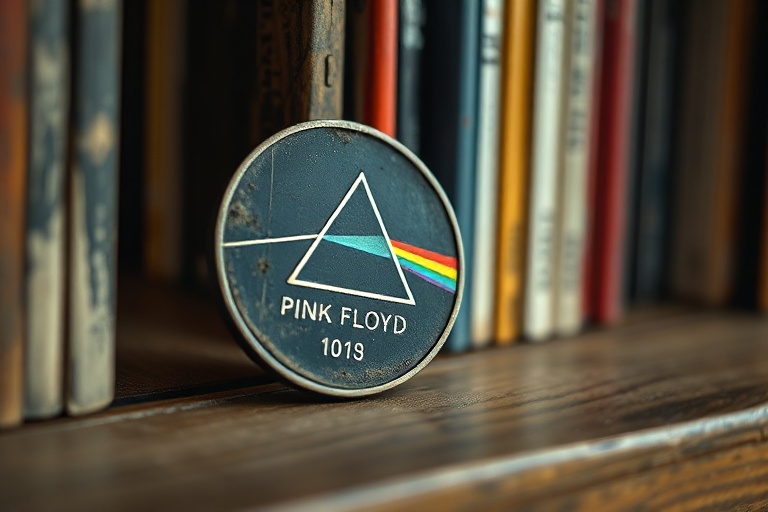
In recent years, a unique trend has emerged at the crossroads of music fandom and cryptocurrency culture: Pink Floyd coins. These digital tokens, often issued as non-fungible tokens (NFTs), represent a bold experiment in merging iconic music heritage with blockchain technology. Unlike traditional memorabilia—records, posters, or concert tickets—Pink Floyd coins offer something intangible yet deeply personal to collectors: ownership of a piece of the band’s legacy in the digital realm.
The concept gained traction as NFTs exploded in popularity during the early 2020s, attracting artists, musicians, and even major corporations eager to explore new revenue streams and fan engagement models. Pink Floyd, a band renowned not just for its music but for its groundbreaking visual artistry and conceptual depth, seemed a natural fit for this digital evolution. Their catalog, spanning decades of cultural influence, provided fertile ground for creative tokenization.
The Origins of Pink Floyd in the Digital Collectibles Space
Pink Floyd’s foray into NFTs began with official releases tied to landmark albums and visual experiences. One of the earliest and most notable examples was the “Echoes” NFT collection, launched in collaboration with blockchain platforms. This series included animated interpretations of classic album cover art, exclusive live performance clips, and even interactive elements that allowed fans to remix iconic tracks in real time.
The decision to embrace NFTs reflected the band’s long-standing tradition of innovation. From pioneering quadrophonic sound to creating immersive concert experiences with elaborate light shows, Pink Floyd has always pushed boundaries. The move to blockchain was simply the next logical step in their creative evolution—a way to preserve and monetize their intellectual property in a format that resonates with younger, tech-savvy audiences.
Early adopters of Pink Floyd coins were rewarded not just with ownership of digital assets, but with a sense of participation in the band’s ongoing narrative. Some tokens granted access to virtual meet-and-greets, while others unlocked high-resolution downloads of previously unpublished studio sessions. This blend of exclusivity and authenticity proved irresistible to hardcore fans and NFT collectors alike.
What Do Pink Floyd Coins Actually Represent?
Pink Floyd coins are not physical objects. They exist solely on blockchain ledgers, typically on the Ethereum or Solana networks, and are secured by cryptographic proof. Each coin corresponds to a unique digital asset, which could be anything from a piece of album artwork to a short film inspired by a song. The value of these coins is determined by scarcity, demand, and perceived cultural significance.
There are several types of Pink Floyd-themed NFTs that have circulated in the market:
- Art Collectibles: Animated or static reinterpretations of album covers such as The Dark Side of the Moon, Wish You Were Here, or Animals.
- Performance Clips: Rare live recordings or behind-the-scenes footage from legendary tours like The Division Bell or A Momentary Lapse of Reason.
- Interactive Experiences: Digital art that responds to user input—such as a generative animation synced to “Time” or “Comfortably Numb.”
- Utility Tokens: Coins that grant holders access to exclusive content, merchandise discounts, or even voting rights on future reissues.
One standout example is the “Pulse” NFT series, which commemorated the 30th anniversary of the band’s iconic 1994 concert film and live album. Holders of these tokens received not only digital artwork but also digital concert tickets that could be resold or gifted, blurring the line between collectible and functional asset.
The Market Reality: Hype, Value, and Volatility
The NFT market, including Pink Floyd coins, has been marked by extreme volatility. Early 2021 saw astronomical prices for high-profile drops, with some Pink Floyd NFTs selling for hundreds of thousands of dollars. A digital recreation of the Animals album cover, for instance, fetched over $200,000 in a Christie’s auction format—highlighting the intersection of fine art and blockchain culture.
Yet by late 2022 and into 2023, the market cooled significantly. Speculative bubbles burst, platforms collapsed, and public interest waned. Pink Floyd coins were not immune to this downturn. Many tokens that once traded at high valuations saw their prices plummet, leaving early investors disillusioned. This volatility raises important questions about the long-term sustainability of music NFTs as an asset class.
However, not all stories ended in loss. Some collectors view Pink Floyd coins not as speculative investments, but as cultural artifacts. A token commemorating Syd Barrett’s legacy or the making of The Wall can hold sentimental value far beyond its market price. This dual nature—as both digital asset and emotional keepsake—may be the key to their enduring appeal.
Fan Reactions and the Future of Music NFTs
Reception to Pink Floyd coins has been mixed. Purists argue that the essence of Pink Floyd lies in the analog experience—vinyl crackle, concert vibrations, the warmth of a physical poster. To them, digital tokens feel sterile, disconnected from the band’s ethos of immersive, sensory art.
Others see the innovation as a necessary evolution. Younger fans, raised on streaming and social media, are comfortable engaging with music through screens and tokens. For them, Pink Floyd coins offer a way to interact with the band’s legacy in a format that feels native to their digital lives. Some even argue that blockchain technology could help combat piracy by ensuring artists receive royalties on secondary sales—a long-standing issue in the music industry.
Looking ahead, the future of Pink Floyd coins may depend on utility over hype. If future releases include real-world benefits—such as concert access, signed memorabilia, or co-creation opportunities—they could transcend speculative trading and become meaningful parts of the fan experience. Projects like “Pink Floyd: The Wall – Reconstructed,” a blockchain-based immersive experience, hint at what’s possible when technology serves art, not the other way around.
Conclusion: More Than Just a Token
Pink Floyd coins represent more than a trend in digital collectibles. They symbolize a cultural moment where art, technology, and fandom converge. While the market’s volatility has tempered some of the initial enthusiasm, the underlying idea remains powerful: music can be experienced, owned, and shared in new ways.
Ultimately, the value of Pink Floyd coins may not be measured in dollars, but in the connections they foster. Whether through a shared appreciation for The Division Bell or a collective nostalgia for 1970s rock, these tokens remind us that Pink Floyd’s music—and its legacy—continues to inspire, evolve, and find new forms of expression.
For fans and collectors, the journey is just beginning. And in a digital world, even a band as timeless as Pink Floyd can find new ways to be remembered.