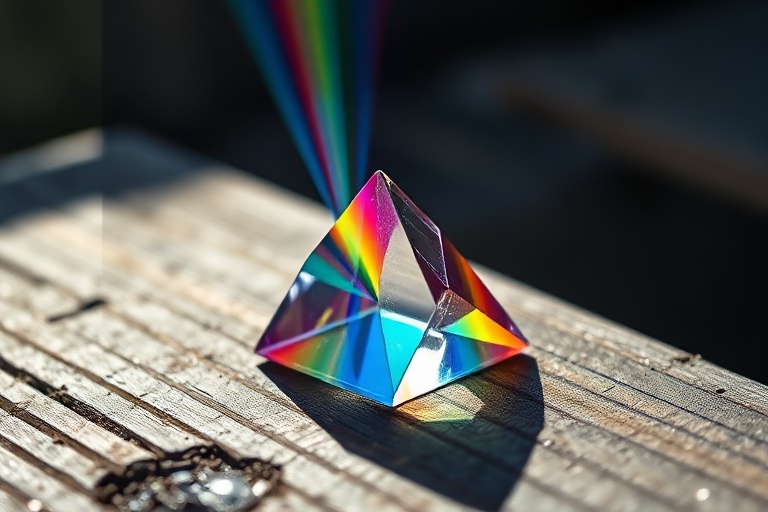
prizmic
Prizmic is emerging as a subtle yet transformative force in the collectibles market, blending digital innovation with physical ownership in ways that feel both intuitive and unexpected. Unlike the flashier NFT boom of recent years, Prizmic operates with a quieter efficiency, carving out its own niche among enthusiasts who value tangible artifacts with verifiable digital authenticity.
The concept isn’t entirely new—digital collectibles have existed for years—but Prizmic distinguishes itself through its emphasis on physical-digital hybrid models. These aren’t just QR codes slapped onto a card; they’re carefully engineered artifacts where the physical item serves as a gateway to an enriched digital experience. For collectors, this creates a layered relationship with their items, where the object’s story extends beyond its physical form.
The Mechanics Behind Prizmic
At its core, Prizmic relies on a combination of near-field communication (NFC) technology and blockchain-based verification. Each Prizmic item contains an embedded NFC chip that, when tapped against a smartphone, triggers a digital interaction. This could be anything from unlocking exclusive content to verifying ownership on a decentralized ledger.
The blockchain component ensures that each item’s provenance is immutable. Collectors can trace an item’s history from creation to its current owner, which adds a layer of trust often missing in traditional collectible markets. This is particularly appealing in an era where counterfeit goods plague industries like sports memorabilia and trading cards.
The physical items themselves are often designed with collector aesthetics in mind. High-quality materials, intricate designs, and limited production runs make them desirable both as objects and as digital assets. The fusion of craftsmanship and technology creates a product that appeals to traditional collectors and digital natives alike.
Why Prizmic Matters Beyond the Hype
Prizmic’s rise isn’t just another speculative trend—it reflects deeper shifts in how we value ownership. In a world saturated with digital content, physical objects still hold emotional weight. Prizmic bridges that gap by giving digital collectibles a physical anchor, satisfying the tactile desire for possession while leveraging the transparency of blockchain.
This hybrid model also opens doors for industries beyond traditional collectibles. Consider how sports teams could use Prizmic to authenticate game-worn jerseys or how musicians might attach digital concert tickets to limited-edition vinyl records. The applications are limited only by creativity.
Another key implication is accessibility. Unlike high-entry NFT projects that require crypto wallets and technical know-how, Prizmic items can be acquired and interacted with using just a smartphone. This lowers the barrier to entry, making it easier for mainstream audiences to engage with digital collectibles without feeling overwhelmed.
Key Features of Prizmic Collectibles
- Hybrid Ownership: Physical items paired with digital verification and experiences.
- Immutable Provenance: Blockchain ensures each item’s history is tamper-proof.
- Interactive Engagement: NFC triggers digital content or unlocks exclusive features.
- Limited Editions: Scarcity drives collector demand and long-term value.
- User-Friendly: No crypto wallet or blockchain expertise required.
Prizmic in the Broader Collectibles Landscape
Prizmic sits at an interesting intersection between traditional collectibles and the digital collectibles market. While trading cards and memorabilia have thrived for decades, the rise of NFTs introduced a new paradigm where digital scarcity drives value. Prizmic, however, doesn’t force a choice between the two—it synthesizes them.
This approach aligns with what some industry analysts call “phygital” trends—a blend of physical and digital experiences. Brands like Nike with its CryptoKicks and Adidas with its NFT collaborations have experimented in this space, but Prizmic’s focus on standalone, NFC-enabled items feels more organic. It doesn’t require owning a digital wallet to participate fully.
Moreover, Prizmic’s model addresses a critical pain point in the collectibles market: trust. Counterfeit items have long plagued industries like art and sports memorabilia. By embedding verification directly into the item, Prizmic reduces the risk of fraud, which could attract institutional buyers and serious collectors who have been hesitant to engage with digital collectibles due to authenticity concerns.
The Future of Prizmic and What Comes Next
As Prizmic gains traction, its long-term success will depend on scalability and ecosystem growth. Currently, the market is still niche, with early adopters driving demand. For widespread adoption, Prizmic will need to partner with established brands, sports leagues, or artists who can lend credibility and reach.
Another challenge is sustainability. While NFC chips are more eco-friendly than some blockchain solutions, the production of physical items still carries an environmental cost. Prizmic brands will need to address this, perhaps through recycled materials or carbon-offset programs, to appeal to environmentally conscious collectors.
Looking ahead, Prizmic could evolve into a platform where collectors trade not just individual items but entire digital ecosystems. Imagine a Prizmic card that unlocks a series of digital artworks, exclusive access to events, or even in-game items for a video game. The potential for layered digital experiences is vast, and Prizmic is uniquely positioned to explore it.
The broader implications for intellectual property and licensing are also worth watching. If Prizmic becomes a standard for verifying authenticity, it could set new industry benchmarks, forcing legacy sectors to adapt or risk obsolescence. The collectibles market, after all, has always been about proving what’s real—and Prizmic offers a compelling solution.
Final Thoughts
Prizmic represents more than just a new product category—it’s a reimagining of what collectibles can be in the 21st century. By merging the tangible with the digital, it offers a balanced approach that respects tradition while embracing innovation. For collectors, the appeal is clear: ownership that feels both personal and verifiable. For creators and brands, it’s an opportunity to redefine engagement in an increasingly fragmented market.
As the trend matures, Prizmic could very well become a cornerstone of the collectibles industry, quietly reshaping how we think about value, authenticity, and the objects we choose to preserve. In an age of digital abundance, sometimes the most meaningful experiences come from holding something real—and knowing it’s truly yours.
For collectors and curious onlookers alike, Prizmic is worth keeping an eye on. Its quiet rise may soon turn into something much louder.
Explore more about collectibles trends on Dave’s Locker or dive into digital art innovations to see how similar ideas are evolving in other spaces.