The Bahamas: Culture, Economy & Future of the Caribbean Nation
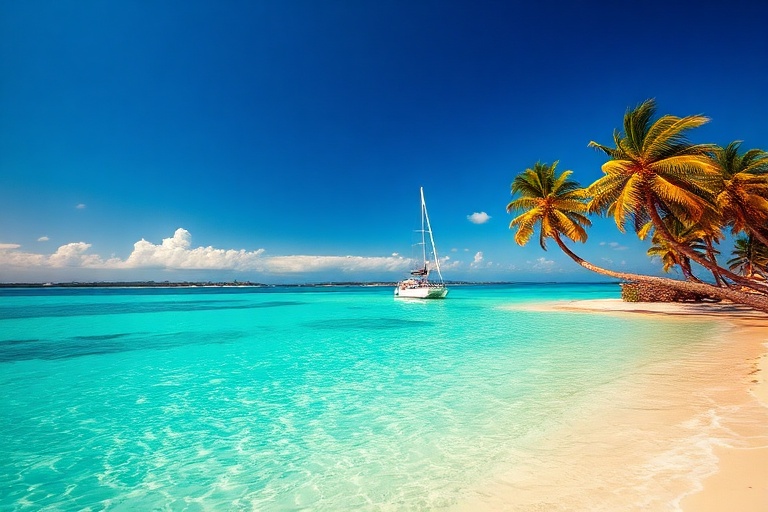
The Bahamas, an archipelago of over 700 islands stretching across the Atlantic Ocean, stands as one of the Caribbean’s most alluring destinations. With its turquoise waters, powdery white sands, and vibrant culture, the nation has long captivated travelers from around the globe. Yet beyond its postcard-perfect landscapes lies a complex tapestry of history, resilience, and global influence that shapes its identity today.
From the colonial legacy of piracy to its role in global finance and music, The Bahamas has evolved into a nation that balances tradition with modernity. Its proximity to the United States and strategic location in the Atlantic have made it a crossroads of commerce, migration, and cultural exchange for centuries.
A Historical Tapestry: From Piracy to Independence
The Bahamas’ story begins long before European explorers arrived. Indigenous Lucayan people inhabited the islands for centuries, living off the land and sea. Their peaceful existence ended in the late 15th century when Christopher Columbus made his first landfall in the Americas on the island of San Salvador in 1492, marking the beginning of Spanish influence in the region.
The islands later became a haven for pirates and privateers, including the infamous Blackbeard, who used the shallow waters and hidden coves as bases for their raids. The British eventually established control in the 18th century, turning The Bahamas into a hub for plantation agriculture and, tragically, the transatlantic slave trade. The abolition of slavery in 1834 marked a turning point, but the legacy of colonialism would linger for generations.
Independence finally arrived in 1973, when The Bahamas became a sovereign nation within the Commonwealth. Today, the country celebrates its rich history while forging a path toward economic diversification and cultural preservation.
Key Moments in Bahamian History
- 1492: Christopher Columbus lands on San Salvador, introducing the islands to European exploration.
- 1718: Woodes Rogers, a former pirate, is appointed Governor of The Bahamas by Britain, ending the “Golden Age of Piracy.”
- 1834: Slavery is abolished, though its economic and social impacts persist for decades.
- 1964: The Bahamas gains internal self-government, a step toward full independence.
- 1973: The Bahamas achieves independence from Britain on July 10.
Economic Pillars: Tourism, Finance, and Marine Resources
The Bahamas’ economy thrives on three main industries: tourism, international finance, and marine resources. Tourism dominates, accounting for nearly 50% of the country’s GDP, thanks to its world-class resorts, diving spots, and cultural festivals. The islands attract over 7 million visitors annually, drawn by the promise of relaxation and adventure.
Beyond tourism, The Bahamas has carved a niche as a global financial center. The country’s stable government, favorable tax policies, and robust banking sector have made it a preferred destination for offshore investments. Nassau, the capital, hosts numerous international banks and law firms, contributing significantly to the economy.
Marine resources also play a vital role. The Bahamas is home to the third-largest barrier reef in the world, the Andros Barrier Reef, which supports a thriving fishing industry and attracts divers from around the globe. Sustainable management of these resources remains a critical challenge as climate change and overfishing threaten marine ecosystems.
Economic Challenges and Opportunities
- Climate Vulnerability: Rising sea levels and stronger hurricanes pose existential threats to low-lying islands.
- Economic Diversification: Efforts to expand sectors like agriculture and technology are underway to reduce reliance on tourism.
- Crypto Regulation: The Bahamas has emerged as a leader in digital asset regulation, attracting blockchain businesses.
- Labor Market Gaps: A reliance on foreign workers in tourism and finance highlights the need for local skill development.
Cultural Riches: Music, Art, and a Legacy of Resilience
The Bahamas’ cultural identity is a vibrant blend of African, European, and indigenous influences. Music is at its heart, with genres like Junkanoo—a high-energy festival celebrated with elaborate costumes, cowbells, and drums—serving as a cornerstone of national pride. The islands have also produced globally recognized musicians, including Grammy-winning artist Kirk Whalum and pop sensation Sean Kingston.
Visual arts thrive in The Bahamas, with artists like Brent Malone and Antonius Roberts gaining international acclaim. The country’s art scene reflects its history, from colonial-era paintings to contemporary works exploring identity and environmentalism. Local crafts, such as straw weaving and wood carving, also showcase the nation’s artistic heritage.
Literature and storytelling are equally important. Bahamian writers like Nassau-born poet and playwright Marion Bethel have used their work to address social issues, gender equality, and the nation’s complex history. These cultural expressions are not just artistic endeavors; they are acts of resistance and celebration.
The Bahamas’ cultural resilience is perhaps best exemplified by its people. Despite centuries of colonial rule, slavery, and economic hardship, Bahamians have maintained a strong sense of community and pride. Festivals like Junkanoo and Emancipation Day celebrations are not just tourist attractions; they are living testaments to the nation’s enduring spirit.
The Future: Sustainability, Innovation, and Global Engagement
Looking ahead, The Bahamas faces a critical juncture. Climate change poses an existential threat, with scientists warning that rising sea levels could submerge parts of the archipelago within decades. The government has responded with ambitious sustainability initiatives, including the Bahamas National Climate Change Plan, which aims to transition the country to renewable energy and strengthen coastal defenses.
Innovation is also on the rise. The Bahamas has positioned itself as a leader in the digital economy, with the launch of its Central Bank Digital Currency, the Sand Dollar, in 2020. This move not only modernizes the financial sector but also enhances financial inclusion for residents in remote islands.
Global engagement remains a priority. The Bahamas maintains strong diplomatic ties with the United States, the United Kingdom, and Caribbean neighbors through organizations like CARICOM. Trade agreements and cultural exchanges continue to shape the nation’s role on the world stage.
Yet challenges persist. Income inequality, access to education, and the need for infrastructure development in outlying islands are pressing issues. Balancing economic growth with environmental stewardship will require innovative solutions and international cooperation.
Opportunities for the Future
- Renewable Energy: Solar and wind projects are expanding, reducing reliance on imported fossil fuels.
- Cultural Tourism: Initiatives to promote heritage tourism could diversify the economy beyond traditional resorts.
- Education Reform: Investments in vocational training and higher education aim to prepare the next generation for a changing job market.
- Disaster Preparedness: Strengthening infrastructure and early warning systems could mitigate the impact of hurricanes.
Why The Bahamas Matters Beyond Its Shores
The Bahamas is more than a tropical paradise; it is a microcosm of global challenges and opportunities. Its struggles with climate change, economic inequality, and cultural preservation reflect broader issues facing small island nations worldwide. Yet its resilience, innovation, and rich heritage offer lessons for nations of all sizes.
For travelers, the islands provide a chance to experience a destination that is both breathtakingly beautiful and deeply complex. For policymakers and investors, The Bahamas presents a model of how to balance economic development with sustainability. And for the international community, it serves as a reminder of the urgent need to address climate change before it’s too late.
As The Bahamas continues to navigate its future, one thing is clear: its story is far from over. Whether through the rhythm of Junkanoo drums, the hum of offshore banks, or the gentle lapping of waves against its shores, the nation’s voice resonates far beyond its borders.