The Laptop: A Global Technology That Powers Work and Life Worldwide
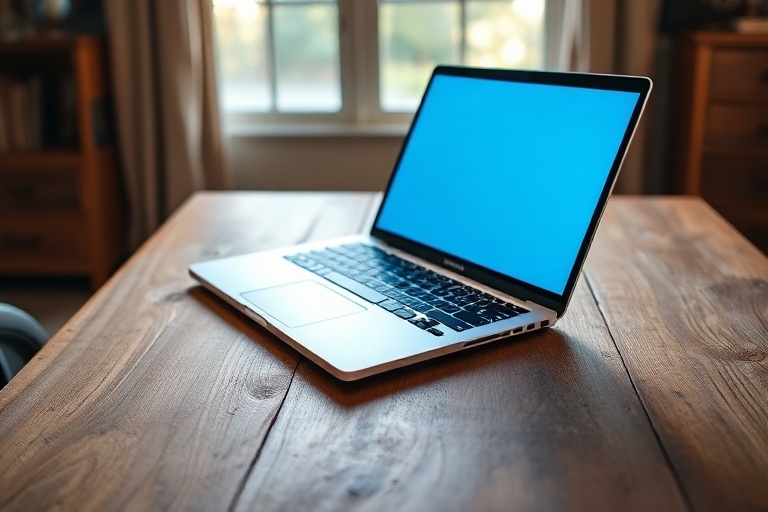
The laptop computer stands as one of the most transformative inventions of the modern era. Since its inception in the late 20th century, it has evolved from a bulky, expensive tool for professionals into an indispensable device for students, creatives, entrepreneurs, and casual users worldwide. Unlike desktop computers, which tether users to a single location, laptops offer mobility, flexibility, and adaptability—qualities that have redefined how people work, learn, and connect across cultures and continents.
Its journey reflects broader technological and societal shifts. The rise of the laptop parallels the growth of the internet, the expansion of remote work, and the democratization of digital tools. From Silicon Valley labs to bustling markets in Nairobi, from university dorms in Seoul to small offices in Berlin, the laptop has become a universal companion in the 21st century.
The Evolution of the Laptop: From Luggable to Ultraportable
The first laptops emerged in the early 1980s, but they were far from the sleek devices we know today. The Osborne 1, released in 1981, is often credited as the first true portable computer. Weighing 24 pounds and featuring a tiny 5-inch screen, it was essentially a suitcase-sized machine with limited functionality. Battery life was measured in minutes, and software was rudimentary by modern standards.
By the mid-1990s, the category matured. IBM’s ThinkPad 700C introduced the iconic red TrackPoint and a more refined design. Apple’s PowerBook series brought aesthetics and usability to the forefront, while Compaq and Toshiba pushed the boundaries of portability. The late 1990s and early 2000s saw the rise of the “subnotebook,” with models like the Sony VAIO and IBM’s ThinkPad X series offering lighter, more powerful devices.
Today, laptops range from ruggedized machines designed for industrial environments to ultra-thin models with OLED displays and AI-powered processors. The average consumer now expects at least 8 hours of battery life, a backlit keyboard, and a weight under 3 pounds. This evolution reflects not just engineering advancements but a fundamental shift in how technology serves human needs—where convenience and performance are no longer mutually exclusive.
A Global Device: How Laptops Shape Work, Education, and Culture
The laptop’s impact varies by region, shaped by economic conditions, educational priorities, and cultural attitudes toward technology. In North America and Western Europe, laptops are deeply embedded in professional and academic life. They enable remote work, hybrid learning, and digital nomadism. Companies like Dell, HP, and Apple dominate the market, with consumers prioritizing performance, design, and ecosystem integration.
In East Asia, particularly in South Korea and Japan, laptops are often secondary to smartphones for casual use. However, they remain essential in education and business. South Korea’s digital education initiatives have made laptops standard in classrooms, supporting government programs that provide devices to students. In China, domestic brands like Lenovo (originally Legend Holdings) have risen to global prominence, reflecting both technological ambition and state-supported industrial growth.
Across Africa, laptops are gateways to opportunity. In countries like Kenya and Nigeria, initiatives such as the One Laptop per Child program have aimed to bridge the digital divide. While challenges remain in infrastructure and affordability, the proliferation of low-cost laptops and refurbished devices has empowered entrepreneurs and students in urban centers like Lagos and Nairobi. In these contexts, a laptop is more than a tool—it’s a symbol of upward mobility and access to global knowledge.
In India, the laptop market is rapidly expanding due to digital literacy campaigns and government schemes like the Pradhan Mantri Gramin Digital Saksharta Abhiyan. Local manufacturing under the “Make in India” initiative has reduced costs, making devices accessible to a broader population. Meanwhile, in Latin America, laptops are increasingly used to support remote work in the wake of the COVID-19 pandemic, with countries like Brazil and Mexico seeing a surge in demand for affordable, reliable models.
Key Regions and Laptop Use Cases
- North America & Europe: High-performance laptops for professionals, creatives, and students; emphasis on brand reputation and ecosystem (e.g., Apple’s macOS integration).
- East Asia: Balance between portability and power; strong presence of domestic brands; laptops used in education and gaming.
- Africa: Laptops as tools for education and entrepreneurship; growing refurbished and low-cost markets.
- India & Southeast Asia: Government-led digital inclusion programs; rising local manufacturing and affordability.
- Latin America: Post-pandemic surge in remote work; demand for durable, mid-range devices.
The Environmental and Ethical Dimensions of Laptop Use
The global proliferation of laptops comes with significant environmental and ethical considerations. Electronic waste is one of the fastest-growing waste streams worldwide, and laptops—with their lithium batteries, rare earth metals, and plastic components—contribute to this crisis. Only about 20% of global e-waste is formally recycled, according to the United Nations, leaving toxic materials to pollute soil and water in countries like Ghana and India.
Manufacturing processes also raise ethical concerns. Many laptops are assembled in factories in China, Vietnam, and Mexico, often under conditions scrutinized for labor rights violations. Brands like Apple, Dell, and HP have faced criticism over supply chain practices, including excessive overtime and inadequate safety standards. In response, some companies have pledged to improve transparency and adopt sustainable sourcing policies.
On a more hopeful note, the rise of modular and repairable laptops—such as Framework’s modular design—signals a shift toward sustainability. These devices allow users to upgrade components like RAM, storage, and even the display, extending the lifespan of the machine. Refurbished laptops, too, are gaining traction as a cost-effective and eco-friendly alternative. Platforms like Dave’s Locker curate quality refurbished devices, making technology more accessible while reducing environmental impact.
Culturally, the laptop has also influenced how we think about ownership and consumption. The concept of planned obsolescence—designing products to fail after a few years—has shaped consumer expectations. Yet, a growing counter-movement emphasizes longevity, repairability, and digital minimalism. This shift reflects a broader cultural awakening to the consequences of unchecked technological consumption.
The Future of the Laptop: What Comes Next?
As we look ahead, the laptop is poised to evolve in ways that blur the line between device and human experience. Foldable and dual-screen laptops, such as Lenovo’s Yoga and Microsoft’s Surface Duo, are pushing the boundaries of form factor. These devices offer new ways to interact with content, from reading and note-taking to creative design and multitasking.
Artificial intelligence is also becoming deeply integrated into laptops. Features like real-time transcription, AI-powered content generation, and adaptive performance optimization are making devices more intuitive and efficient. Companies like Intel and AMD are embedding neural processing units (NPUs) into chips, enabling laptops to handle complex tasks locally without relying on cloud servers—critical for users in regions with unreliable internet.
Sustainability will continue to drive innovation. Expect to see more laptops made from recycled materials, with biodegradable plastics and modular designs that reduce e-waste. Solar-powered laptops, already tested in off-grid communities, may become mainstream as energy efficiency improves.
Yet, challenges remain. The global semiconductor shortage highlighted vulnerabilities in supply chains, underscoring the need for diversified manufacturing and local production. Geopolitical tensions, such as U.S.-China trade disputes, have also forced companies to rethink their sourcing strategies, potentially reshaping the industry’s geography.
One thing is certain: the laptop will remain a cornerstone of global connectivity. Whether used by a student in Mumbai studying for exams, a freelance designer in Berlin managing client projects, or a farmer in rural Brazil accessing agricultural apps, the laptop continues to adapt to the needs of diverse communities. Its legacy is not just in its design or specifications, but in its power to empower individuals across the world.
Conclusion: More Than Just a Machine
The laptop is more than a machine—it is a catalyst for change. It has democratized access to information, enabled new forms of work, and fostered cultural exchange. From the corporate offices of Tokyo to the cyber cafes of Cairo, it has become a universal tool that transcends borders and languages.
As technology advances, the laptop will continue to transform. But its true value lies not in its specs or price tag, but in how it serves humanity. It is a testament to human ingenuity, adaptability, and the relentless pursuit of progress. In a world increasingly defined by digital connection, the laptop remains our most trusted companion—moving with us, evolving with us, and empowering us to shape the future.