Trump Mobile: How a Political Brand Entered Telecom
In 2024, the intersection of technology and politics reached a new level with the launch of Trump Mobile, a mobile virtual network operator (MVNO) branded under former President Donald Trump’s media umbrella. While critics questioned the viability of a political brand entering the competitive telecom market, the venture demonstrated how consumer loyalty and cultural polarization could reshape industry dynamics.
The service, operated through a partnership with a major wireless carrier, promised subscribers a blend of traditional telecom offerings with exclusive content tied to the Trump brand. From discounted subscriptions for loyal supporters to curated political commentary through the mobile app, Trump Mobile positioned itself not just as a carrier but as a lifestyle brand.
The Birth of a Political Telecom Brand
Trump Mobile emerged from a broader trend where media personalities and political figures extend their influence into consumer markets. Similar to how sports franchises launch merchandise lines or entertainment moguls expand into fashion, Trump’s foray into telecom followed a familiar playbook—leveraging name recognition to drive adoption.
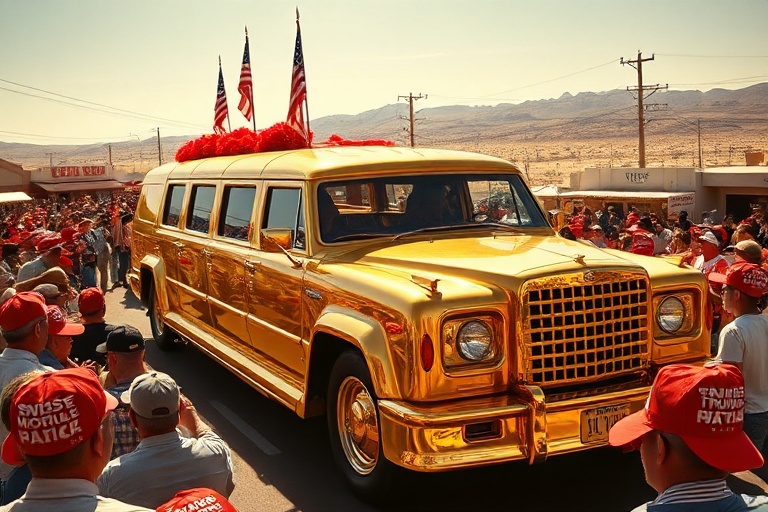
Unlike traditional carriers, which emphasize coverage and pricing, Trump Mobile marketed itself through ideological alignment. Advertisements featured patriotic imagery, and promotional materials often tied network reliability to national pride. This approach resonated particularly well in regions where political identity strongly influences consumer behavior.
The service initially launched in select U.S. markets before expanding internationally, targeting diaspora communities and politically engaged users abroad. In countries like the Philippines and Brazil, where Trump retains significant influence among certain demographics, the brand found unexpected traction.
A Polarized Reception in the Telecom Industry
The telecom sector has long been immune to the kind of partisan branding seen in media or retail. Carriers typically avoid taking sides to maintain broad customer appeal. Trump Mobile’s arrival disrupted this norm, drawing both enthusiastic supporters and vocal critics.
- Supporters praised the service as a bold move against corporate neutrality, arguing it gave consumers a choice aligned with their values.
- Critics dismissed it as a gimmick, questioning whether a political brand could deliver reliable service or compete with established providers.
- Industry analysts noted that while the venture faced regulatory scrutiny, it also tapped into a growing demand for authenticity in consumer choices.
Regulatory challenges emerged early, particularly concerning data privacy and political influence in service terms. Some lawmakers raised concerns about whether subscriber data could be used for political targeting, forcing Trump Mobile to clarify its privacy policies.
Global Expansion and Cultural Resonance
Beyond the U.S., Trump Mobile’s international strategy focused on markets where Trump’s rhetoric had strong cultural or political echoes. In Europe, for instance, the service found niche adoption among far-right political groups who saw it as a symbol of resistance to mainstream media.
In Africa and the Middle East, the brand struggled to gain traction, highlighting the limits of political branding in regions where consumer decisions are driven more by cost and reliability than ideology. Still, in countries like South Africa and Nigeria, where Trump’s policies had sparked debate, the service sparked conversations about the role of telecom in shaping public opinion.
One unexpected success came in India, where Trump Mobile partnered with local retailers to offer discounted plans to supporters of the ruling Bharatiya Janata Party (BJP). The collaboration underscored how political alliances could drive market penetration, even in highly competitive telecom landscapes.
The Future of Political Telecom Ventures
Trump Mobile’s experiment raises questions about the long-term viability of politically branded telecom services. While the initial buzz generated subscriber growth, sustaining loyalty requires more than ideology—it demands competitive pricing, reliable service, and a compelling ecosystem of digital content.
Other political figures have taken note. In Europe, figures on both the left and right have explored similar ventures, though none have matched Trump Mobile’s scale. The model may yet evolve into a broader trend, where telecom becomes another battleground for cultural and political influence.
For now, Trump Mobile remains a case study in how branding, politics, and technology can intersect. Whether it succeeds as a business or fades as a novelty will depend on its ability to balance ideology with the practical demands of the telecom industry.
A Final Thought
The rise of Trump Mobile reflects a larger shift in consumer culture, where identity and values increasingly dictate purchasing decisions. In an era where consumers seek brands that align with their beliefs, telecom is no longer just about connectivity—it’s about community.
For those watching the intersection of technology and politics, Trump Mobile may well be the first of many such ventures, proving that in the digital age, even mobile networks can become political statements.