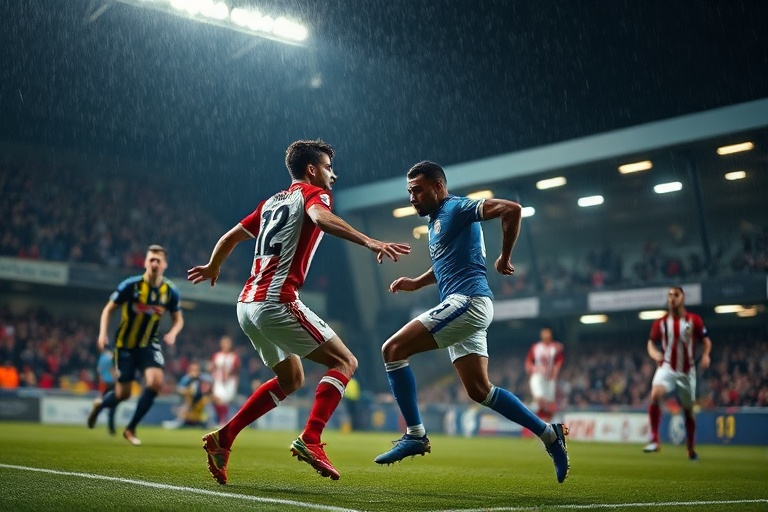
Union Saint-Gilloise vs Anderlecht: A Brussels Derby Like No Other
Union Saint-Gilloise vs Anderlecht: A Rivalry Beyond the Pitch
The clash between Union Saint-Gilloise and Anderlecht is more than a football match—it’s a cultural duel rooted in Brussels’ history. These two clubs, separated by just a few kilometers, embody the city’s social and economic divides. Union, founded in 1897, emerged as a working-class team, while Anderlecht, established in 1908, became the darling of the elite. Their rivalry transcends sport, reflecting Brussels’ complex identity as a bilingual, multicultural hub.
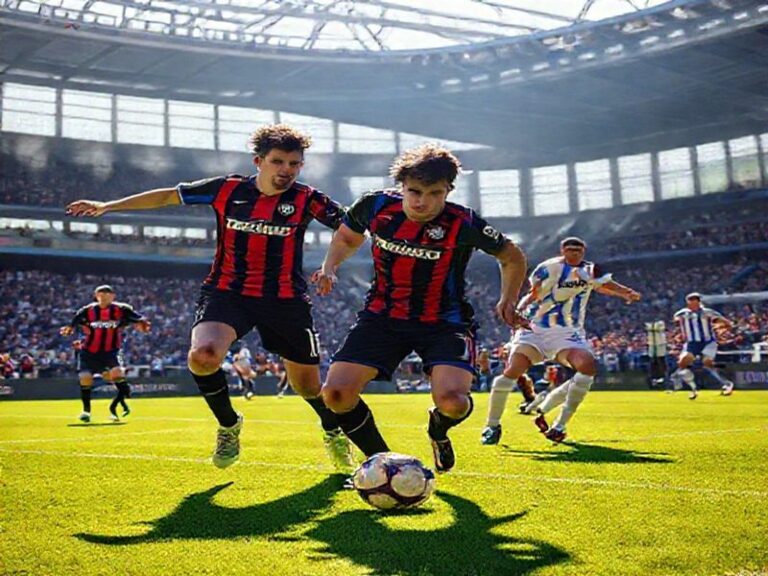
Their encounters are often intense, not just for the tactical battles but for the atmosphere they create. Union fans, known for their passion, fill the Stade Joseph Marien with a fervor that echoes through the working-class neighborhoods of Saint-Gilles. Anderlecht, on the other hand, commands the modern, corporate-friendly Lotto Park, where supporters gather in a more polished, family-oriented environment. This contrast is visible in every derby, from the chants to the post-match rituals.
The Historical Divide: Class and Identity
The origins of this rivalry are deeply tied to Brussels’ social fabric. Union Saint-Gilloise was founded by workers from the Marolles district, a working-class area with a strong sense of community. The club’s early success in the 1930s cemented its place in the hearts of locals, who saw it as a symbol of resilience. Anderlecht, meanwhile, grew under the patronage of Brussels’ bourgeoisie, its rise paralleling the city’s modernization.
By the mid-20th century, Anderlecht had become a powerhouse, dominating Belgian football with European success. Union, though, remained a local favorite, often struggling to keep up financially. The gap between the two clubs mirrored the broader disparities in Brussels, where wealth and opportunity were unevenly distributed. Even today, the derby feels like a microcosm of the city’s divisions—one club representing tradition, the other progress.
Recent Encounters: A Shift in Power
In recent years, the balance of power has shifted. Union Saint-Gilloise, under the ownership of American investor Tony Bloom, has undergone a dramatic transformation. The club rose from Belgium’s third division to the top flight in just three seasons, thanks to smart investments and a clear sporting project. Anderlecht, once the unchallenged king of Belgian football, has faced financial difficulties and managerial instability.
The 2022-23 season saw Union finish second in the league, just behind Antwerp, while Anderlecht stumbled to a fifth-place finish. Their head-to-head clashes were electric, with Union securing a 3-1 victory in October 2022 and a dramatic 2-2 draw in April 2023. The latter match was particularly memorable, with Union coming from 2-0 down to snatch a point in stoppage time. These results underscored Union’s rise and Anderlecht’s struggles to adapt.
The rivalry has also taken on a new dimension in Europe. Union’s debut in the Europa League in 2021 brought international attention to the derby, as Brussels became a stage for Belgian football’s changing guard. Anderlecht, a regular in European competitions for decades, found itself playing catch-up. The contrast between the two clubs’ approaches—Union’s youthful exuberance versus Anderlecht’s experience—has made their European meetings just as compelling as their domestic battles.
Cultural Impact: More Than Just a Derby
The Union vs. Anderlecht rivalry extends beyond the pitch, influencing Brussels’ cultural scene. The clubs have become symbols of their respective communities, with Union’s supporters often seen as the voice of the underdog. The Marolles district, where Union is based, is known for its vibrant street art and working-class pride, while Anderlecht’s Molenbeek-Saint-Jean is a melting pot of cultures, reflecting Brussels’ diversity.
Music, too, has been shaped by the rivalry. Union fans have adopted chants and songs that reflect their working-class roots, while Anderlecht’s supporters often embrace more mainstream anthems. The derby has even inspired local artists, with murals and graffiti appearing across Brussels, each side staking its claim to the city’s identity.
For visitors to Brussels, attending a derby is a must. The atmosphere is electric, with fans from both sides filling the streets long before kickoff. The contrast between the two sets of supporters—Union’s raw passion versus Anderlecht’s polished enthusiasm—offers a glimpse into the city’s soul. It’s a reminder that football is never just about the game; it’s about community, history, and identity.
What’s Next for the Rivalry?
The future of the Union vs. Anderlecht rivalry is uncertain but undeniably exciting. Union’s rise shows no signs of slowing, with ambitions to compete in Europe on a regular basis. Anderlecht, meanwhile, is desperate to reclaim its former glory, investing in youth development and new talent. The financial gap between the two clubs is narrowing, which could lead to a more competitive rivalry in the coming years.
One thing is clear: this derby will continue to captivate Brussels. Whether it’s the tactical battles, the cultural clashes, or the sheer passion of the fans, Union vs. Anderlecht is more than a football match—it’s a story of a city and its people. As Brussels evolves, so too will this rivalry, ensuring that it remains one of Europe’s most compelling football narratives.
For now, the anticipation builds. The next time the two clubs meet, the city will hold its breath, knowing that the outcome will resonate far beyond the pitch.