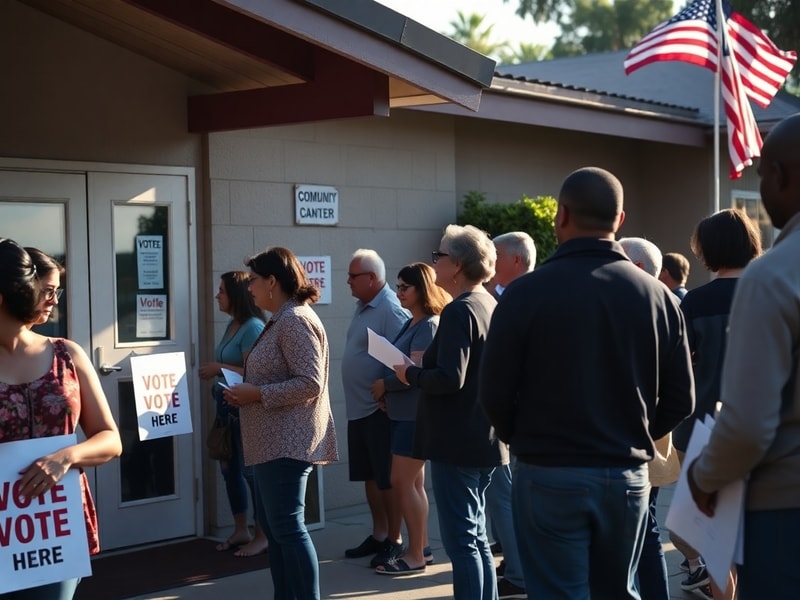
Local politics in Waltham Forest is gearing up for another pivotal moment as the 2026 council elections approach. With just over a year to go until voters head to the polls, the political landscape in this East London borough is already showing signs of intense competition. The outcome will not only shape the council’s priorities for the next four years but could also influence broader trends in London’s local governance.
Waltham Forest has been a Labour stronghold since 2010, with the party currently holding 48 of the 63 council seats. However, the 2024 general election results—where Labour lost ground in some key seats—have raised questions about whether the council’s political dynamics might shift. The 2026 elections will test whether Labour can maintain its dominance or if opposition parties will make meaningful gains.
Key Issues Shaping the 2026 Campaign
The issues likely to dominate the 2026 campaign reflect both local concerns and broader political debates. Housing remains the top priority for many residents, with rising rents and a shortage of affordable homes putting pressure on the council to act. The recent housing crisis has been a recurring theme in local politics, and the 2026 elections will see candidates forced to address it head-on.
Another major issue is the council’s budget, which has faced scrutiny over cuts to essential services. With inflation and rising costs squeezing local authorities, Waltham Forest’s next administration will need to make tough decisions about where to allocate limited resources. Public transport and air quality are also expected to feature prominently, particularly in light of the borough’s ongoing efforts to reduce pollution and improve cycling infrastructure.
Education is another flashpoint, with schools in Waltham Forest facing challenges such as overcrowding and funding shortages. The performance of local schools has been a point of contention, and parents, teachers, and activists are likely to demand stronger commitments from candidates on improving educational outcomes.
The Role of Opposition Parties
While Labour’s grip on the council seems secure, opposition parties are not sitting idle. The Conservatives, who hold just 9 seats, are hoping to regain ground after a disappointing performance in 2022. Their strategy will likely focus on criticizing Labour’s record on crime and economic growth, two areas where they believe the council has underperformed.
The Green Party and Liberal Democrats are also positioning themselves as viable alternatives, particularly in wards where Labour’s majority is narrow. The Greens, in particular, have been vocal on environmental issues and could attract voters disillusioned with the major parties. The Lib Dems, meanwhile, are targeting areas with younger, more affluent populations who may be less loyal to Labour.
One wildcard in the 2026 race could be the rise of independent candidates. In recent years, grassroots movements have gained traction in Waltham Forest, with some residents frustrated by what they see as a lack of accountability from the major parties. If independents can mobilize enough support, they could play a spoiler role in tight contests.
Demographic Shifts and Voter Turnout
Waltham Forest’s electorate is changing, and these shifts could have a significant impact on the 2026 elections. The borough has seen rapid population growth, particularly among younger voters and families priced out of more expensive areas of London. These groups tend to be more politically engaged but are also more likely to be disillusioned with traditional parties.
Turnout will be another critical factor. In the 2022 local elections, just 38% of eligible voters cast a ballot—a figure that is typical for midterm elections but leaves plenty of room for mobilization. Labour’s success in 2026 may hinge on its ability to energize its base, particularly in areas with historically low turnout. Conversely, opposition parties will need to convince undecided voters that their policies offer a credible alternative.
Another demographic to watch is the growing number of renters in Waltham Forest. With homeownership increasingly out of reach, many renters are turning to political activism to demand better protections and affordable housing. This could translate into higher support for parties and candidates that prioritize tenant rights.
What’s at Stake for Waltham Forest
The 2026 council elections are more than just a local contest—they are a referendum on the future direction of Waltham Forest. The next administration will inherit a borough facing significant challenges, from housing shortages to strained public services. How they address these issues will determine the quality of life for residents in the years to come.
For Labour, the elections are an opportunity to solidify its control and push forward with its agenda. But with the party facing pressure at the national level, a poor performance in Waltham Forest could signal broader discontent. For the opposition, the stakes are equally high: a strong showing could lay the groundwork for future gains, while a weak performance might relegate them to the political sidelines.
Beyond the council chamber, the 2026 elections will also serve as a barometer for public opinion in the lead-up to the next general election. Parties that perform well in Waltham Forest may gain confidence to challenge Labour in other parts of London, while those that struggle could face further decline.
The road to the 2026 elections is still long, but the early signs suggest a campaign that will be as competitive as it is consequential. For voters in Waltham Forest, the choice will be clear: they will decide not just who represents them, but what kind of borough they want to live in.
Key Dates to Remember
- May 2026: Polling day for the council elections
- 2025: Deadline for candidate nominations
- Autumn 2025: Start of formal campaigning
As the campaign heats up, expect debates, rallies, and a flurry of leaflets filling mailboxes across the borough. For those invested in Waltham Forest’s future, the next year will be a critical period to engage, question, and ultimately, vote.