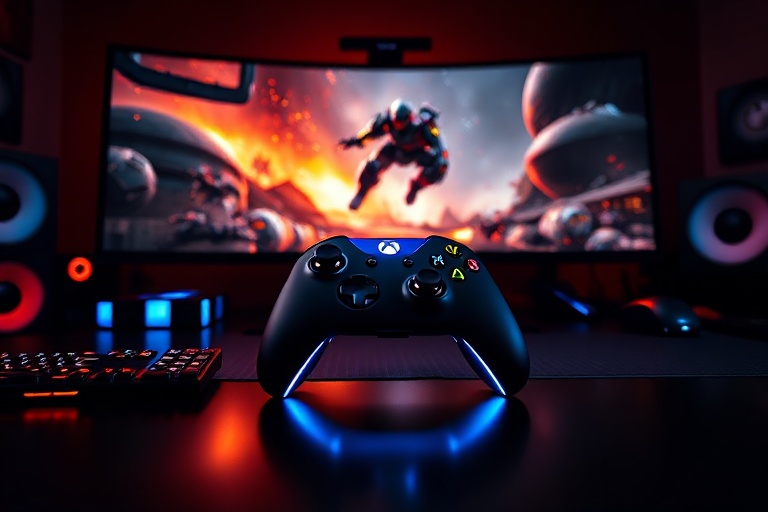
xbox game
Since its debut in 2001, Xbox has carved a distinct path in the gaming landscape, blending cutting-edge hardware with a curated library of experiences. As Microsoft’s gaming division continues to evolve, the Xbox ecosystem has become a cornerstone of both competitive and casual play. This evolution reflects broader trends in digital distribution, community engagement, and technological innovation.
The Birth of Xbox and Its Early Influence
Microsoft entered the console market with a bold ambition: to challenge Sony’s dominance with the PlayStation 2. The original Xbox launched on November 15, 2001, in North America, powered by a 733 MHz Intel Pentium III processor and a built-in hard drive—features that were revolutionary at the time. Its most defining characteristic, however, was the integration of a built-in Ethernet port, making online multiplayer accessible without additional peripherals.
Titles like Halo: Combat Evolved didn’t just launch with the system—they became synonymous with Xbox itself. Developed by Bungie, Halo introduced players to a sci-fi universe that would grow into one of gaming’s most enduring franchises. The game’s intuitive controls, immersive campaign, and competitive multiplayer set a new standard for console shooters. This success established Xbox as a serious contender and laid the foundation for its online service, Xbox Live, which launched in 2002.
Xbox Live: Pioneering Online Console Gaming
Before Xbox Live, online console gaming was fragmented and often required proprietary hardware. Microsoft changed that with a unified, subscription-based service that offered voice chat, matchmaking, and downloadable content. The service’s early years were rocky—limited bandwidth and subscription costs made accessibility a challenge—but its vision was clear: gaming wasn’t just local anymore. It was global.
Xbox Live also introduced the concept of digital marketplaces, where players could purchase full games, demos, and add-ons. This model would later evolve into the Xbox Games Store, a precursor to today’s digital-first ecosystem. The early success of Xbox Live demonstrated that Microsoft wasn’t just building consoles—it was building a connected gaming community.
The Rise of Xbox 360 and the HD Generation
The Xbox 360, released in 2005, represented a leap forward in both design and technology. Its sleek white casing, motion-sensitive controllers, and support for high-definition graphics positioned it as a premium entertainment device. The console’s “Red Ring of Death” issue, a widespread hardware failure tied to overheating, became a cautionary tale about quality control. Yet, despite these early setbacks, the Xbox 360’s legacy endured through its software.
Games like Gears of War, Mass Effect, and Forza Motorsport 3 showcased the console’s strengths in narrative depth, third-person action, and racing simulation. The introduction of Xbox Achievements added a new layer of engagement, rewarding players for exploring game content and mastering challenges. This system not only extended gameplay longevity but also fostered a culture of completionism among players.
The Xbox 360’s Digital Transformation
By the mid-2000s, digital distribution was no longer a novelty—it was becoming essential. The Xbox 360’s Marketplace allowed players to download arcade titles, expansion packs, and indie games directly to their consoles. Titles like Geometry Wars: Retro Evolved and Braid proved that digital platforms could support both retro-inspired experiences and innovative new gameplay.
This era also saw the rise of Xbox Live Arcade, a curated section of the Marketplace dedicated to smaller, often experimental games. Many of these titles were developed by independent studios, offering fresh ideas without the risk of a full retail release. The success of Xbox Live Arcade helped validate the indie game movement and set the stage for future platforms like Xbox Game Pass.
Xbox One: Ambition Meets Backlash
The Xbox One launched in 2013 amid controversy, primarily due to its always-online requirements and restrictive digital rights management policies. These decisions clashed with consumer expectations and sparked widespread criticism. Microsoft quickly reversed course, emphasizing digital ownership and improving transparency. Despite the rocky launch, the Xbox One evolved into a powerful multimedia machine with backward compatibility, a growing Game Pass library, and integration with Windows 10.
One of the Xbox One’s most significant contributions was its emphasis on backward compatibility. Initially limited to a small selection of Xbox 360 titles, the feature expanded to include original Xbox games, allowing players to revisit classics like Fable and Star Wars: Knights of the Old Republic. This commitment to legacy content demonstrated a shift in Microsoft’s strategy—prioritizing player loyalty over exclusive new releases.
The Game Pass Revolution
Launched in 2017, Xbox Game Pass was a gamble that redefined how players access games. For a monthly fee, subscribers gained access to a rotating library of titles, including day-one releases from Xbox Game Studios. The service blurred the line between ownership and access, offering flexibility in an era of rising game prices. It also introduced many players to indie gems like Hollow Knight and Celeste, proving that subscription models could support diverse gaming experiences.
Game Pass’s success prompted competitors like Sony and Nintendo to explore similar offerings, but Xbox maintained a first-mover advantage. The service’s expansion into cloud gaming further solidified its place in the market, allowing players to stream games to mobile devices and low-end PCs. This accessibility aligned with Microsoft’s broader vision of “gaming for everyone,” regardless of hardware limitations.
The Next Era: Xbox Series X|S and the Cloud-First Future
The Xbox Series X and Series S, released in November 2020, represent Microsoft’s commitment to performance, accessibility, and cross-platform integration. The Series X targets high-end gaming with 4K resolution and 120 FPS support, while the Series S offers a budget-friendly entry point with digital-only distribution. Both consoles leverage the power of the Xbox Velocity Architecture, a combination of custom SSD storage and hardware-accelerated decompression that drastically reduces load times.
What sets the Series X|S apart is Microsoft’s cloud-first strategy. Through Xbox Cloud Gaming, players can stream titles directly from the cloud, eliminating the need for expensive hardware. This approach aligns with Microsoft’s acquisition of Bethesda Softworks and its continued investment in cloud infrastructure. The goal is clear: make gaming as accessible as streaming a movie or music, regardless of location or device.
Exclusive Titles and the Power of First-Party Studios
Microsoft’s acquisition of Activision Blizzard in 2023 marked a turning point in the gaming industry. With franchises like Call of Duty, Diablo, and Overwatch under its umbrella, Microsoft gained unparalleled control over blockbuster IP. While exclusivity deals remain a contentious issue, Microsoft has emphasized that its goal is to expand gaming’s reach rather than restrict it. Titles like Starfield and Forza Horizon 5 have already demonstrated the strength of Xbox Game Studios in delivering high-quality exclusives.
For players, the future of Xbox hinges on a delicate balance: delivering cutting-edge hardware, expanding digital services, and maintaining a robust library of exclusive content. The shift toward cloud gaming and subscription models reflects broader industry trends, but Microsoft’s challenge will be ensuring that these changes enhance rather than diminish the core gaming experience.
Why Xbox Matters in the Gaming Landscape
Xbox has consistently pushed the boundaries of what a console can do. From pioneering online multiplayer with Xbox Live to democratizing access through Game Pass and cloud gaming, Microsoft has redefined the role of gaming platforms. Its focus on backward compatibility and cross-platform play demonstrates a commitment to player choice, while its investments in first-party studios ensure a steady stream of high-quality exclusives.
For new players, Xbox offers an entry point that prioritizes flexibility and value. For veterans, it provides a familiar ecosystem with deep roots in competitive and narrative-driven gaming. As the industry continues to evolve, Xbox’s willingness to experiment—whether through cloud gaming, subscription services, or hardware innovation—positions it as a key player in the future of interactive entertainment.
Whether you’re a casual player, a competitive gamer, or a developer looking to publish your work, Xbox provides tools and opportunities that extend beyond traditional console gaming. In an era where gaming is increasingly fragmented across devices and platforms, Xbox stands out for its cohesive vision and player-first approach.
What Lies Ahead for Xbox
Looking forward, several trends will shape Xbox’s trajectory:
- Cloud Gaming Expansion: With improvements in latency and visual fidelity, cloud gaming could become the primary way many players experience Xbox titles.
- More Indirect Exclusives: Microsoft’s strategy of keeping some blockbuster titles multiplatform may change, but its focus on expanding gaming’s audience remains unchanged.
- Hardware Innovation: The next generation of Xbox consoles will likely emphasize modularity, allowing players to upgrade components like GPUs and storage.
- Community and Social Features: Xbox’s integration with Discord, Twitch, and other platforms will continue to blur the lines between gaming and social media.
As Microsoft continues to refine its vision, one thing is clear: Xbox is no longer just a console manufacturer. It’s a platform, a service, and a community. Its evolution reflects the changing nature of gaming itself—a shift from isolated experiences to interconnected, accessible, and ever-evolving digital playgrounds.
For players, the message is simple: Xbox is here to stay, and its best days may still lie ahead.
Explore more about gaming trends and technology on Dave’s Locker Technology or dive into exclusive game reviews at Dave’s Locker Gaming.