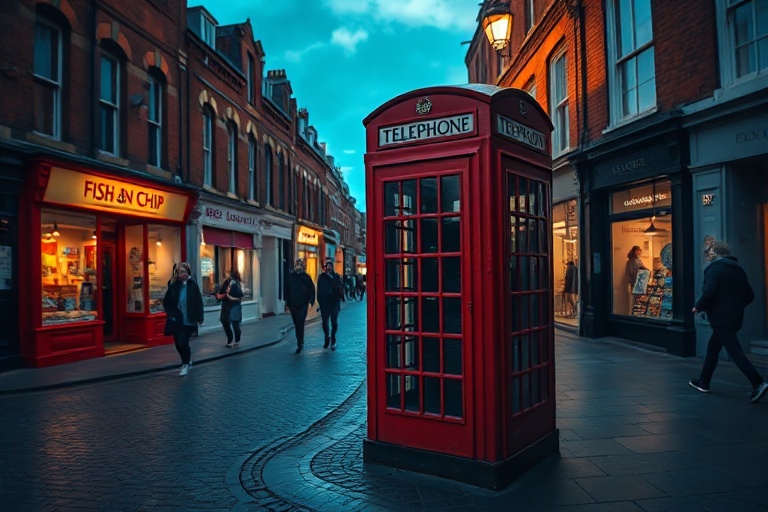
Cambridge Street in Scarborough, Ontario, often flies under the radar compared to Toronto’s more celebrated districts. Yet, this stretch of road—running parallel to the bustling Kennedy Road and stretching near the Scarborough Bluffs—has quietly evolved into a microcosm of urban change. From modest beginnings as a suburban artery to its current role as a hub for small businesses and community activity, Cambridge Street reflects broader shifts in how cities adapt to growth and diversity.
The street’s history is rooted in Scarborough’s post-war expansion, when it served as a connector for new housing developments and local commerce. Over decades, it absorbed waves of immigration, transforming into a mosaic of cultures. Today, the street is a testament to resilience, offering affordable living spaces and a growing food scene that caters to a diverse population. But what makes Cambridge Street particularly interesting is how it balances tradition and modernity—without the fanfare of high-profile redevelopments.
From Suburban Artery to Community Backbone
Cambridge Street’s journey mirrors Scarborough’s own evolution. In the 1950s and 60s, it was a typical suburban thoroughfare lined with single-family homes and small shops. As Scarborough’s population grew, so did the street’s role as a local lifeline. By the 1980s, it had become a corridor for immigrant-owned businesses, from Caribbean patties to South Asian grocery stores, reflecting the neighborhood’s changing demographics.
The street’s physical character has shifted incrementally. Older bungalows now stand beside newly built townhomes, a sign of Scarborough’s housing pressures. Yet, unlike Toronto’s downtown core, Cambridge Street has avoided aggressive gentrification—at least for now. This relative stability has allowed it to retain a grassroots charm, where long-time residents and newcomers coexist in a shared space.
The street’s layout—narrower than major arteries like Ellesmere or Lawrence—encourages pedestrian activity. Sidewalks are often crowded with locals stopping to chat, reinforcing its role as a social connector. This organic connectivity is rare in a city where car traffic often dictates urban design.
The Culinary Scene: A Taste of Scarborough’s Diversity
One of Cambridge Street’s most compelling draws is its food scene. The street is home to a rotating cast of eateries, many of which cater to Scarborough’s Caribbean, South Asian, and Filipino communities. These establishments are more than just places to eat; they are cultural landmarks.
For instance, a well-known Caribbean takeout spot has operated here for over 20 years, serving up oxtail stew and jerk chicken to generations of locals. Nearby, a Filipino bakery draws crowds for its fresh ensaymadas and ube-filled pastries. These businesses thrive not because of trendy marketing but because they solve a fundamental need: affordable, authentic meals in a city where dining out can be expensive.
The street’s food culture also highlights Scarborough’s role as a testing ground for culinary innovation. Entrepreneurs with limited capital but big ideas open pop-ups or small storefronts, often operating on tight margins. This low-risk, high-reward model allows for experimentation, from fusion cuisine to niche dietary offerings.
Yet, challenges remain. Rising rents and competition from larger chains threaten the survival of these independent businesses. The street’s future may depend on whether it can preserve its authenticity while adapting to economic pressures.
Housing and Gentrification: A Delicate Balance
Cambridge Street’s housing landscape is a microcosm of Scarborough’s broader housing crisis. The street features a mix of aging rental apartments, mid-century homes, and newer infill developments. This diversity creates a visual patchwork, but it also reflects deeper tensions.
On one hand, the street benefits from relatively affordable housing compared to downtown Toronto. On the other, the pressure to densify is palpable. Developers eye vacant lots and older properties, proposing townhomes or mid-rise condos. While these projects could bring investment, they risk displacing long-time residents who can no longer afford rising rents.
Community groups have begun advocating for policies that prioritize affordable housing and tenant protections. Their efforts highlight a growing awareness that Scarborough’s transformation must be inclusive, not just profitable. Cambridge Street, with its mix of renters and homeowners, could serve as a case study for balancing growth and equity.
What’s Next for Cambridge Street?
The street’s trajectory raises important questions about the future of Scarborough’s neighborhoods. Will Cambridge Street remain a bastion of affordability and diversity, or will it gradually morph into a more homogenized urban landscape? The answer may depend on several factors:
- Policy decisions: Will the city implement zoning changes that protect affordable housing? Will transit improvements (like the planned Scarborough subway extension) bring benefits or burdens?
- Economic pressures: Can local businesses withstand rising costs, or will chains replace them?
- Community engagement: Are residents and business owners equipped to advocate for their interests in a rapidly changing city?
- Cultural preservation: How can the street maintain its identity amid Toronto’s relentless pace of change?
For now, Cambridge Street remains a quiet success story—a place where history and modernity coexist without erasing what came before. It’s a reminder that urban transformation doesn’t always require skyscrapers or viral trends. Sometimes, it happens one block at a time.
As Toronto continues to grow, streets like Cambridge will play a crucial role in defining the city’s character. They offer a counterpoint to the high-rise condos and luxury developments that dominate headlines. Here, the focus is on people—not just profit—and that’s worth preserving.
Exploring Further
For those interested in Scarborough’s broader trends, explore more about the neighborhood’s evolution and local businesses through Dave’s Locker’s Travel section or dive into urban analysis with Analysis articles.