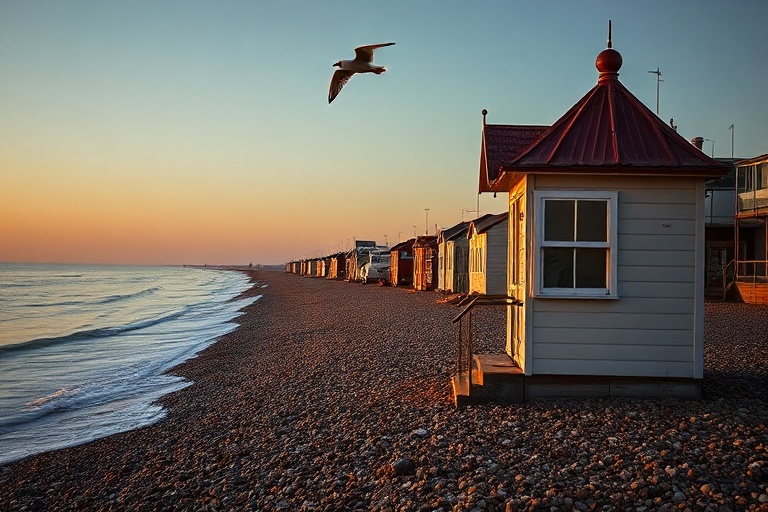
Nestled on the Essex coast, Frinton-on-Sea is a town that has quietly cultivated a reputation far beyond its modest size. Often overshadowed by more flamboyant British seaside destinations, Frinton has carved out its own identity—not as a place of neon lights or amusement arcades, but as a retreat of understated elegance, timeless charm, and unexpected cultural influence. From its golden beaches to its well-preserved vintage architecture, Frinton offers a window into a quieter, more refined version of British coastal life that continues to draw visitors from across Europe and beyond.
What makes Frinton unusual in today’s fast-paced world is its resistance to modernization. While many seaside towns have embraced commercialization, Frinton has maintained a strict local policy on chain stores and advertising. This has preserved its character, making it a living snapshot of mid-20th-century English seaside culture. It’s not just a destination for nostalgia; it’s a place where tradition and contemporary life coexist in subtle harmony.
The History of Frinton: From Quiet Hamlet to Seaside Sanctuary
Frinton’s transformation from a small agricultural village into a sought-after coastal retreat began in the late 19th century. The arrival of the railway in 1888 connected Frinton to London, sparking a wave of development. Unlike many Victorian seaside resorts that became overcrowded and commercialized, Frinton evolved with a sense of restraint. The town’s founders and early residents—many of them wealthy London professionals—established strict building codes that preserved wide streets, low-rise architecture, and generous green spaces.
By the 1920s and 30s, Frinton had become known as a fashionable retreat for London’s elite. Golf courses, tennis clubs, and exclusive social clubs flourished. The town’s golf club, founded in 1891, remains one of the oldest in England and a key part of its cultural identity. Even today, Frinton retains a genteel atmosphere, where visitors often dress smartly and afternoon tea is a respected tradition.
This historical continuity has made Frinton a point of fascination for architects, historians, and preservationists. It’s one of the few places in Britain where you can walk down a street and feel transported to the 1930s, with art deco facades, mock-Tudor villas, and wide, tree-lined avenues untouched by modern development.
Frinton’s Unique Culture: Tradition Meets Modern Quietude
Frinton’s culture is defined by its commitment to quietness. Known locally as “The Queen,” the town enforces a strict “no slot machines” policy, and chain stores are virtually nonexistent. This has created a rare environment where local businesses thrive, and community events take center stage. The annual Frinton Carnival, held every summer, is a highlight of the regional calendar, featuring parades, live music, and family-friendly entertainment that draws thousands.
The town also hosts literary and artistic events, reflecting its long-standing connection to the creative world. In the 1930s, Frinton was a favored destination for writers and artists, including members of the Bloomsbury Group. Today, independent galleries and bookshops continue to contribute to its cultural ecosystem.
Frinton’s social scene is equally distinctive. The town has a long-standing reputation for hosting exclusive private events and fundraisers, often attended by figures from London’s high society. Yet, it remains welcoming to visitors who respect its rhythms. There’s a gentle rhythm to life here—morning beach walks, afternoon tea, evening concerts in the garden, and sunset gatherings on the promenade.
- Golf and tennis are central to Frinton’s social calendar, with clubs hosting tournaments and social events year-round.
- Beach sports, like beach cricket and volleyball, bring communities together in the summer months.
- Classical concerts and jazz evenings are regularly held in local venues, including the Frinton Arts Centre.
- Seasonal markets offer locally sourced produce, crafts, and antiques, reinforcing the town’s connection to its surroundings.
Frinton in the Global Context: Why the World Is Taking Notice
While Frinton may not be on the itinerary of every international traveler, it has quietly earned a reputation among those seeking authenticity. In an era where overtourism threatens the identity of many coastal towns, Frinton offers a counterpoint: a place that refuses to change for the sake of tourism. This has made it a case study for sustainable tourism advocates and a model for other communities looking to preserve their heritage.
Its influence extends beyond tourism. Frinton has been referenced in British literature and film as a symbol of refined Englishness. The town’s strict planning laws have inspired similar movements in other parts of Europe, where communities seek to protect their cultural landscapes from overdevelopment. In a world increasingly dominated by uniformity, Frinton stands as a testament to the value of preservation.
The global interest in Frinton is also reflected in its digital footprint. Social media platforms, particularly Instagram, have helped spread its appeal. Hashtags like #FrintonOnSea and #QuietSeasideElegance now feature in thousands of posts, showcasing everything from sunset views over the beach to the intricate details of its art deco architecture. This digital attention has brought a new generation of visitors—digital nomads, remote workers, and second-home owners—who are drawn to its peaceful ambiance and high quality of life.
Even in the world of travel writing, Frinton is gaining recognition. It has been featured in international publications such as The Guardian, The Telegraph, and Condé Nast Traveler as a hidden gem worth discovering. Unlike more commercialized destinations, Frinton offers something rare: the chance to experience a place that feels both timeless and alive.
Visiting Frinton: What to Expect and How to Experience It
Frinton is not a destination for those seeking nightlife, adventure sports, or theme parks. It’s for those who appreciate subtlety, beauty, and tranquility. The town’s main attraction is its beach—three miles of golden sand backed by dunes and pine forests. The beach is clean, uncrowded, and family-friendly, with designated swimming areas and ample space for picnics and relaxation.
The town center is small but charming, centered around a pedestrianized high street lined with independent shops, cafes, and tea rooms. The Frinton Tea Room, a local institution since the 1930s, remains a must-visit for its scones and homemade cakes. Nearby, the Frinton Market offers fresh produce, local crafts, and antiques on weekends.
For those interested in history, Frinton offers several points of interest:
- Frinton Golf Club – One of England’s oldest clubs, with a course that has hosted national tournaments.
- Frinton Arts Centre – Hosts exhibitions, live performances, and workshops throughout the year.
- St. Mary’s Church – A 12th-century church with a striking interior and a peaceful churchyard.
- Frinton Pier – Though much smaller than traditional piers, it offers a nostalgic touch and occasional live music.
Frinton is also an excellent base for exploring the surrounding area. Just a short drive or train ride away are the historic towns of Colchester and Walton-on-the-Naze, as well as the nature reserves of the Essex coast. For those interested in travel beyond the town itself, Frinton serves as a quiet gateway to some of East Anglia’s most scenic landscapes.
A Quiet Legacy: Why Frinton Matters in a Noisy World
In an age of instant gratification and constant connectivity, Frinton offers something increasingly rare: a place where time slows down. Its enduring appeal lies not in what it offers visitors, but in what it preserves—quiet streets, local traditions, and a sense of community that feels authentic rather than manufactured.
Frinton reminds us that not every destination needs to shout to be heard. Sometimes, the most memorable places are those that whisper—and Frinton’s whisper has carried across generations, across borders, and across cultures. It stands as a quiet rebuke to the idea that progress must mean change, and a gentle invitation to slow down, look around, and appreciate the beauty of the unhurried life.
Whether you visit for a weekend or a lifetime, Frinton leaves an impression—not through grand gestures, but through the quiet accumulation of small, meaningful experiences. It’s a place where memories are made not on roller coasters, but on beach walks at dawn; not in clubs, but in afternoon tea with old friends.
In a world that often feels louder and faster, Frinton endures. And that, perhaps, is its greatest triumph.