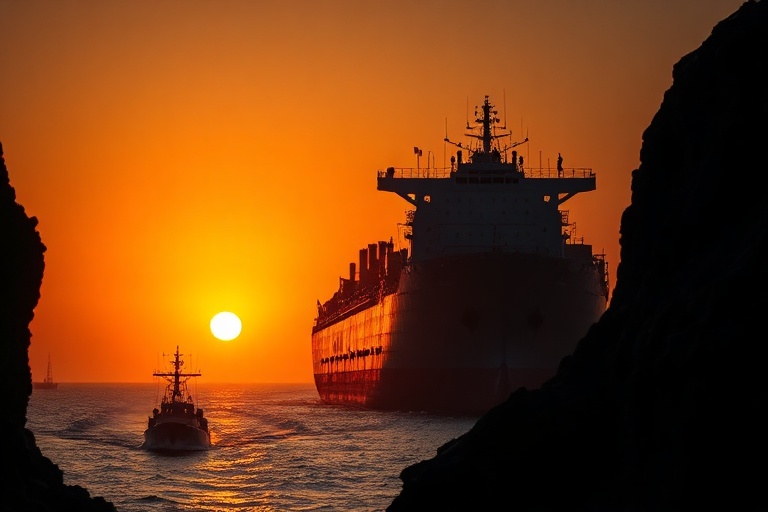
Hormuz Strait: Why This Oil Chokepoint Could Shake Global Markets
The Hormuz Strait remains one of the most strategically vital waterways on Earth, a narrow passage where geopolitical tensions and economic interests collide. Stretching just 21 miles wide at its narrowest point, this chokepoint connects the Persian Gulf to the Gulf of Oman and, by extension, the global oil supply chain. Nearly one-third of the world’s seaborne oil passes through these waters daily, making it a flashpoint for international diplomacy, military posturing, and economic leverage.
Recent developments have intensified scrutiny on the Hormuz Strait, from escalating regional conflicts to shifting alliances and the persistent specter of maritime security threats. Understanding its role requires examining both historical context and current dynamics that could reshape energy markets, military strategies, and diplomatic relations in the coming years.
The Strategic Importance of the Hormuz Strait
The Hormuz Strait’s significance cannot be overstated. It serves as the sole maritime route for oil exports from several Gulf Cooperation Council (GCC) nations, including Saudi Arabia, Iran, Iraq, Kuwait, Bahrain, and the United Arab Emirates. The strait’s shallow waters and narrow channels make it particularly vulnerable to disruptions, whether through military blockades, sabotage, or environmental hazards.
Oil tankers navigating this corridor face constant risks. According to the U.S. Energy Information Administration, approximately 17 million barrels of oil pass through the strait each day—roughly 20% of the world’s total petroleum consumption. Any prolonged disruption could send shockwaves through global markets, triggering price spikes and supply shortages. The recent Houthi attacks in the Red Sea and Iran’s military drills near the strait have only heightened concerns about the fragility of this critical route.
- Oil transit volume: 17 million barrels per day, or about 20% of global oil consumption.
- Key exporting nations: Saudi Arabia, Iran, Iraq, UAE, Kuwait, and Bahrain rely on the strait for oil sales.
- Chokepoint vulnerabilities: Narrow channels, shallow waters, and proximity to conflict zones increase risks of disruption.
- Geopolitical leverage: Control over or access through the strait can be used as a bargaining tool in international negotiations.
Recent Tensions and Their Broader Implications
Over the past year, the Hormuz Strait has become a focal point for escalating tensions between Iran and Western powers, as well as regional actors like Israel and Gulf states. Iran has repeatedly threatened to close the strait in response to sanctions or perceived threats, a move that would have catastrophic consequences for global energy markets. In 2023, Iran seized several foreign oil tankers in the strait, citing violations of its maritime laws, while also conducting military exercises designed to showcase its ability to disrupt shipping.
Meanwhile, the Houthi rebels in Yemen have expanded their maritime attacks beyond the Red Sea, targeting vessels linked to Israel or its allies. Though their operations have not yet directly impacted the Hormuz Strait, the spillover effect of such conflicts raises alarms about the strait’s future stability. The U.S. and its allies have responded with increased naval patrols and diplomatic efforts to de-escalate tensions, but the situation remains precarious.
The broader implications of these tensions extend far beyond the strait itself. A prolonged closure or significant disruption could force oil-importing nations to seek alternative routes, including the East African coast or even Arctic shipping lanes. Such shifts would not only increase transportation costs but also alter global trade patterns, potentially benefiting some nations while disadvantaging others.
Key Players and Their Interests
The Hormuz Strait is a stage where multiple actors perform high-stakes roles, each with distinct motivations:
- Iran: Uses the strait as leverage in nuclear negotiations and regional power struggles. Closure would cripple Gulf oil exports but also harm Iran’s own oil revenues.
- Saudi Arabia and UAE: Depend on the strait for oil exports and imports of goods. They have invested in alternative export routes, such as the East-West Pipeline in Saudi Arabia, but still rely heavily on Hormuz.
- United States: Maintains a military presence in the region to ensure free navigation, including the Fifth Fleet based in Bahrain. The U.S. has a vested interest in preventing disruptions that could destabilize global energy markets.
- China: Increasingly dependent on Gulf oil imports, China has sought to diversify its supply chains but remains vulnerable to disruptions in the strait. Its growing naval presence in the Indian Ocean reflects this concern.
- European Union: Relies on Gulf oil and gas, particularly amid energy shortages following the Ukraine war. Disruptions in Hormuz could exacerbate Europe’s energy crisis.
Mitigating Risks and Alternative Strategies
Given the strait’s volatility, nations and corporations are exploring ways to mitigate risks. One approach is the development of alternative export routes. Saudi Arabia, for example, has invested in the East-West Pipeline, which can transport oil from its eastern fields to the Red Sea, bypassing the Hormuz Strait. Similarly, the UAE has built the Habshan-Fujairah pipeline to move oil to its east coast, reducing dependence on Hormuz.
Technological advancements also offer partial solutions. Satellite monitoring, drone surveillance, and AI-driven risk assessment tools are being deployed to detect and respond to threats more efficiently. Insurance premiums for vessels transiting the strait have surged, reflecting the elevated risks, but the insurance industry’s role in managing these challenges remains underappreciated.
Diplomatic efforts are equally critical. The U.S. and its allies have engaged in dialogue with Iran to prevent accidental escalations, while regional organizations like the Gulf Cooperation Council (GCC) work to foster stability. However, trust remains fragile, and the absence of a comprehensive security framework leaves the strait vulnerable to sudden crises.
What Lies Ahead for the Hormuz Strait?
The future of the Hormuz Strait hinges on a delicate balance of power, diplomacy, and economic necessity. While alternatives to the strait exist, none can fully replace its capacity or efficiency in the near term. The most plausible scenario is one of managed tensions, where regional and global powers work to prevent outright conflict while hedging against disruptions.
For now, the strait remains a critical artery of the global economy, its fate intertwined with the broader geopolitical landscape. As nations navigate this complex terrain, the Hormuz Strait will continue to demand attention—not just as a geographical feature, but as a litmus test for international cooperation in an era of competing interests.
For deeper analysis on global energy dynamics and military strategy, explore our News and Analysis sections.