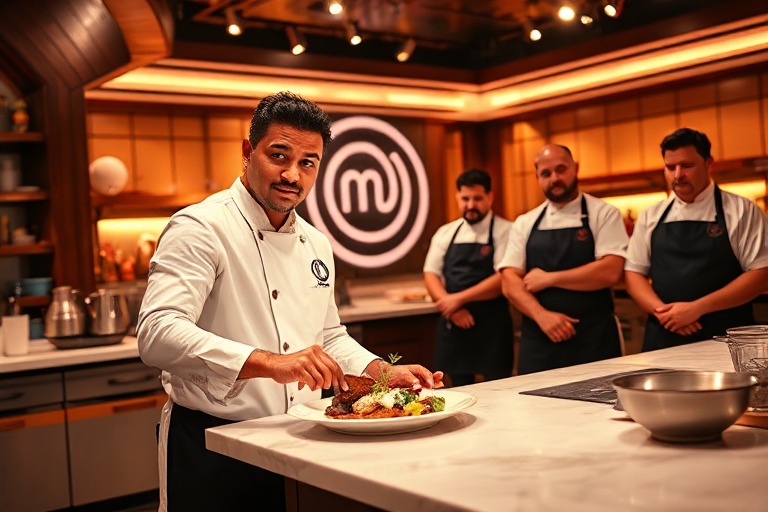
How MasterChef Became a Global Kitchen Table for Food Lovers
MasterChef: A Global Culinary Stage Where Home Cooks Become Legends
MasterChef began in the United Kingdom in 1990 as a modest BBC program, but three decades later it has transformed into a worldwide culinary phenomenon. What started as a simple competition show has evolved into a cultural bridge that connects professional chefs with everyday cooks, amateur bakers, and food lovers across continents. Today, MasterChef is broadcast in over 100 countries, with localized versions tailored to regional tastes, ingredients, and traditions. The show’s enduring appeal lies in its universal message: anyone, regardless of background or training, can achieve culinary greatness.
The format is deceptively simple. Contestants—often ordinary people with extraordinary passion—face intense challenges under pressure, judged by a panel of experts. Yet behind the drama and high-stakes cooking lies a deeper narrative about identity, creativity, and the transformative power of food. As cultures collide on international stages and regional flavors take center stage, MasterChef has become more than a competition. It’s a global conversation about what we eat, why we eat it, and how food defines who we are.
The Evolution of a Format: From British TV to International Icon
MasterChef’s journey from a UK production to a global brand reflects broader changes in media and food culture. The original series, created by Franc Roddam and produced by the BBC, was revived in 1999 with a stronger focus on competition and audience engagement. This version introduced a more structured format with auditions, kitchen tests, and a final banquet cooked for a live audience—a formula that resonated deeply with viewers.
By the mid-2000s, the format was licensed internationally, beginning with the United States in 2005. American MasterChef, hosted by Gordon Ramsay and produced by Shine America, emphasized high-energy judging, emotional storytelling, and a fast-paced editing style. The show’s success in the U.S. helped propel MasterChef into mainstream pop culture, especially among younger audiences who consumed cooking content via streaming platforms.
Today, over 50 localized versions exist, including MasterChef India, MasterChef Australia, MasterChef Junior (featuring young chefs), and MasterChef: The Professionals (for trained chefs). Each adaptation reflects local culinary traditions. In Japan, contestants often incorporate kaiseki principles, while in Brazil, ingredients like feijoada and farofa become central to challenges. This localization has made MasterChef a true global kitchen table, where food becomes a language of its own.
Cultural Flavor: How Local Versions Adapt the MasterChef Formula
While the core format remains consistent—auditions, mystery box, pressure tests, and elimination rounds—each country infuses its version with cultural flavor. In India, MasterChef India (aired on Star Plus) has become a platform for regional cuisines, with judges often celebrating street food like pav bhaji, vada pav, and biryani. Contestants are encouraged to blend tradition with innovation, reflecting India’s diverse culinary landscape.
In contrast, MasterChef Australia (on Network 10) emphasizes fresh, seasonal produce and minimalist plating, aligning with the country’s farm-to-table movement. The Australian version often features Aboriginal ingredients such as kangaroo, lemon myrtle, and wattleseed, giving contestants a chance to explore Indigenous foodways. This approach not only educates viewers but also fosters respect for cultural heritage.
In Europe, MasterChef España has become a showcase for Mediterranean cuisine, with contestants drawing from Spanish, Catalan, and Basque traditions. Dishes like paella, pulpo a la gallega, and crema catalana frequently appear in challenges. Similarly, MasterChef Italy (on Sky Uno) highlights regional specialties such as risotto alla Milanese, orecchiette, and tiramisu, reinforcing Italy’s status as a culinary superpower.
These adaptations do more than entertain. They preserve culinary traditions, introduce younger generations to regional foods, and sometimes even revive fading local dishes. In doing so, MasterChef acts as a cultural steward—one that uses competition to celebrate, rather than erase, diversity.
Behind the Scenes: The Judges, the Pressure, and the Emotional Weight
The heart of MasterChef lies not in the kitchen set, but in the relationships between contestants and judges. Over the years, the judging panels have become iconic figures in their own right, shaping the show’s tone and values. Gordon Ramsay, with his sharp tongue and high standards, remains one of the most recognizable faces in global food media. His critiques, though often blunt, are rooted in a desire to push contestants toward excellence.
Other judges bring different perspectives. In the U.S., Aarón Sánchez brings Mexican-American expertise, while Christina Tosi (of Milk Bar fame) champions creativity and whimsy. In India, judges like Vikas Khanna, Kunal Kapur, and Ranveer Brar blend professional rigor with storytelling, often connecting dishes to personal memories and family traditions.
The emotional journey of contestants is a defining feature of the show. Many are ordinary people who use cooking as an escape, a therapy, or a way to honor their roots. One memorable contestant from MasterChef Canada, for instance, cooked a dish inspired by her mother’s journey from Syria to Canada, using spices and techniques passed down through generations. Such moments reveal that MasterChef is not just about food—it’s about survival, resilience, and identity.
Yet the pressure is real. Contestants face sleepless nights, technical failures, and the constant threat of elimination. The show’s editing often amplifies drama, but behind the scenes, producers work to balance authenticity with entertainment. The result is a high-stakes environment where talent meets vulnerability, and viewers are left both inspired and emotionally invested.
MasterChef’s Influence on Home Cooking and Food Media
Beyond television, MasterChef has reshaped how people approach cooking at home. The show’s popularity coincided with the rise of food blogs, YouTube cooking channels, and social media platforms like Instagram and TikTok. Contestants often become influencers after their appearance, sharing recipes and techniques with millions of followers.
In countries like the U.S. and Australia, MasterChef has contributed to a surge in home cooking, especially among millennials. Sales of specialty ingredients—think truffle oil, miso paste, or artisanal salts—have risen as viewers seek to replicate dishes seen on screen. Cooking schools have reported increased enrollment, with many aspiring chefs citing the show as their inspiration.
The show has also influenced food media trends. Competitions like Entertainment cooking shows have proliferated, with formats like Chopped, Hell’s Kitchen, and Top Chef borrowing elements from MasterChef’s playbook. Even streaming platforms have entered the fray, with series like The Bear and Salt Fat Acid Heat exploring the emotional and cultural dimensions of cooking.
Moreover, MasterChef has played a role in promoting food education. In some regions, local versions partner with schools to teach children about nutrition, food safety, and cultural diversity through cooking. This educational outreach aligns with the show’s broader mission: to make cooking accessible, meaningful, and joyful for everyone.
A Final Plate: Why MasterChef Still Matters
In an era of instant gratification and digital distraction, MasterChef endures because it reconnects people with the tactile, sensory, and deeply human act of preparing food. It reminds us that cooking is not just a chore or a choreographed performance—it’s an act of creativity, love, and sometimes even rebellion.
The show’s global success is not measured solely in ratings or social media engagement. It’s measured in the home cooks who attempt a signature dish for the first time, in the families who gather around the table to share a meal inspired by a contestant’s journey, and in the young chefs who see themselves represented on screen for the first time. MasterChef has become a modern-day culinary campfire, where stories are told, traditions are honored, and new dreams are born.
As food systems face challenges from climate change to supply chain disruptions, the values MasterChef promotes—respect for ingredients, appreciation for cultural heritage, and the belief that anyone can cook with passion—are more relevant than ever. The show may have started as a competition, but it has grown into a movement. And like the best dishes, it only gets better with time.