Jeff Ross: How One Comedian Redefined Roast Culture
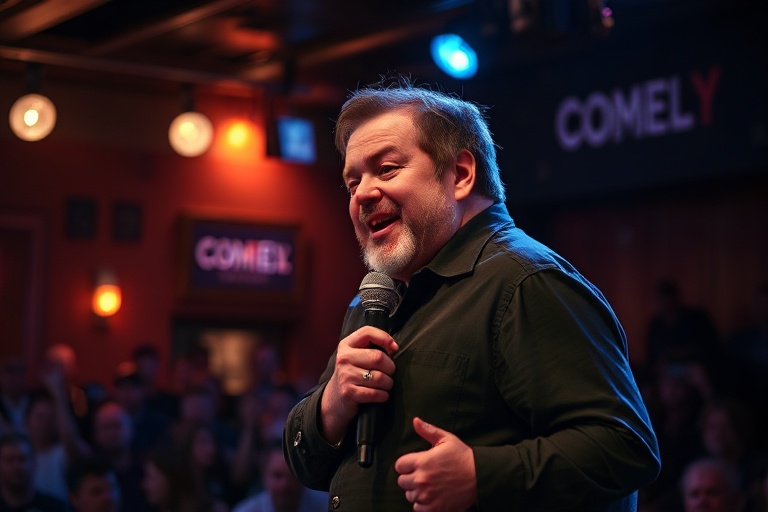
Jeff Ross didn’t just enter the comedy scene—he set it on fire with a flamethrower of insults, timing that could rival a Swiss watch, and a delivery so precise it made surgeons jealous. Over the past three decades, Ross has cemented himself as one of the most polarizing yet influential figures in stand-up and roast comedy. His career isn’t just a story of laughs; it’s a case study in how controversy, when wielded by the right talent, can become a cultural currency all its own.
Born Jeffrey Ross Lifschultz in 1965 in New York City, Ross grew up in a middle-class Jewish family in New Jersey. His path to comedy stardom wasn’t direct. He studied at Boston University, where he initially pursued film but soon realized his real passion lay in making people laugh. After college, he cut his teeth in the brutal world of NYC comedy clubs, performing in dive bars and open mics where survival often meant enduring more boos than applause.
The Rise of the Roastmaster General
Ross’s big break came in 2003 when he was cast as a writer and performer on Comedy Central Roast, a show that would redefine modern roast culture. Unlike traditional roasts, which were often insular events among celebrities, this televised version turned insult comedy into prime-time entertainment. Ross became the show’s resident aggressor—sharp, relentless, and unafraid to cross lines others wouldn’t dare approach.
His reputation grew with each roast. He famously dismantled actors, musicians, and even athletes with a mix of wit and cruelty. His takedown of Gilbert Gottfried in 2008 remains legendary. Gottfried, known for his own edgy humor, was reduced to stunned silence under Ross’s relentless barrage. That moment wasn’t just a comedy highlight—it was a turning point. It proved that roasts could be more than just playful ribbing; they could be high-stakes, emotionally charged spectacles.
Ross didn’t just participate in roasts—he became the face of them. His nickname, “The Roastmaster General,” wasn’t given lightly. It signified his mastery over the form, his ability to balance humor with provocation, and his knack for making even the most serious celebrities squirm.
Key Moments in Ross’s Career
- 2003: Joins Comedy Central Roast as a writer and performer, launching his national profile.
- 2008: Delivers a legendary roast of Gilbert Gottfried, cementing his reputation as the show’s most feared participant.
- 2011: Stars in Jeff Ross Presents: Roast Battle, a competitive roast series that brought roast culture to a new generation.
- 2015: Becomes a recurring panelist on @midnight, a late-night comedy show that thrived on rapid-fire insults and pop culture references.
- 2020: Releases Jeff Ross: The Problem with Jeff Ross, a Netflix special that reflects on his career, controversies, and the ethics of roast comedy.
Controversy as a Brand
Ross’s career has always walked a fine line between comedy and cruelty. He’s been called a bully, a provocateur, and a genius—sometimes in the same sentence. But what makes Ross fascinating isn’t just his ability to offend; it’s how he weaponizes offense to create something greater. His comedy forces audiences to confront their own discomfort, to laugh at the things that usually make them flinch.
Take his infamous roast of Donald Trump in 2011. Trump, never one to shy away from controversy, was a prime target. Ross didn’t hold back, calling Trump a “short-fingered vulgarian” and mocking his business failures. The roast was polarizing. Some saw it as brilliant satire; others saw it as mean-spirited bullying. But it undeniably sparked conversation. In an era where political correctness often stifles debate, Ross’s brand of unfiltered insult comedy became a counterpoint—a reminder that comedy, at its best, should challenge rather than coddle.
Ross has also faced backlash. He’s been accused of crossing lines that even other comedians find unacceptable. His roast of a transgender woman in 2014 drew widespread criticism, leading to accusations of transphobia. Ross defended the bit as part of the roast tradition, arguing that the target was a public figure and fair game. But the incident raised broader questions: Where does comedy end and harm begin? Can roasts ever truly be inclusive, or are they inherently exclusionary by design?
The Broader Impact of Ross’s Comedy
Jeff Ross isn’t just a comedian—he’s a cultural provocateur whose influence extends far beyond the stage. His rise coincides with a shift in comedy toward outrage, shock, and viral moments. Ross embodies this evolution. He’s a product of the internet age, where a single roast can become a meme within hours, where comedians are expected to be both entertainers and provocateurs, and where audiences crave content that pushes boundaries.
His impact can be seen in the proliferation of roast battles, competitive insult comedy shows, and even the rise of podcasts like TigerBelly and Bad Friends, where comedians dissect celebrities with a similar level of vitriol. Ross helped normalize the idea that comedy doesn’t have to be safe—it can be dangerous, uncomfortable, and thrilling all at once.
But his legacy isn’t without its critics. Some argue that his brand of comedy perpetuates a toxic culture where cruelty is rewarded with applause. Others see him as a necessary disruptor, a comedian who reminds us that laughter doesn’t always have to be gentle to be meaningful. The truth likely lies somewhere in between. Ross’s comedy isn’t for everyone, but it’s undeniably influential—a reminder that comedy, at its core, has always been about pushing limits.
Where Does Ross Go From Here?
At 58, Ross shows no signs of slowing down. He continues to perform, roast, and provoke. His Netflix special offered a rare moment of introspection, forcing him—and his audience—to confront the ethical dilemmas of his career. Will he evolve beyond the role of the “villain” of comedy? Or will he double down, becoming even more unapologetic as the cultural landscape shifts?
One thing is certain: Jeff Ross has already left an indelible mark on comedy. Whether you see him as a genius or a menace, his influence is undeniable. He’s a reminder that comedy, at its best, isn’t just about making people laugh—it’s about making them think, squirm, and, above all, react.
For aspiring comedians, Ross is both a cautionary tale and an inspiration. His career proves that talent alone isn’t enough—you need audacity, resilience, and a willingness to embrace controversy. For audiences, he’s a mirror, reflecting our own discomfort with the line between humor and harm.
Love him or hate him, Jeff Ross isn’t going anywhere. And that’s exactly the way he likes it.
Explore more about comedy’s sharpest minds and cultural provocateurs on Dave’s Locker Entertainment or dive into the world of stand-up culture at Dave’s Locker Culture.