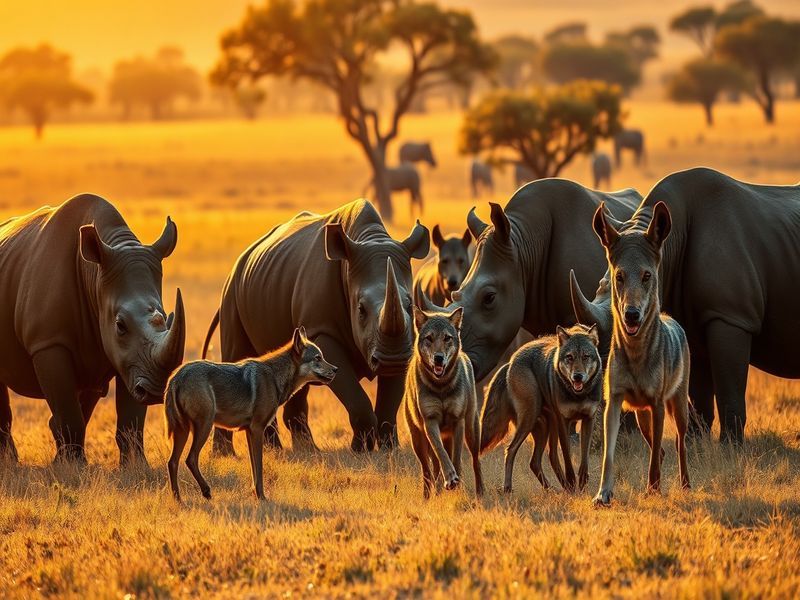
Rhinos vs Wolves: A Comparative Analysis of Two Iconic Species
Introduction to Rhinos and Wolves
Rhinos and wolves are two distinct species that inhabit different ecosystems and exhibit vastly different behaviors. Rhinos, large herbivores native to Africa and Asia, are known for their impressive size and thick skin. Wolves, on the other hand, are social carnivores found in various regions across the globe, celebrated for their pack dynamics and hunting strategies. This article explores the characteristics, habitats, and conservation challenges facing these two remarkable animals.
Habitat and Distribution
Rhinos primarily inhabit grasslands, savannas, and forests, depending on the species. The five existing species of rhinos include the White Rhino, Black Rhino, Indian Rhino, Javan Rhino, and Sumatran Rhino. Each species has adapted to its specific environment, whether it be the savannas of South Africa or the dense jungles of Indonesia.
Wolves, in contrast, are highly adaptable and can thrive in a range of habitats, including forests, tundras, and deserts. The gray wolf, the most well-known species, is found across North America, Europe, and Asia. Their ability to live in diverse environments contributes to their survival and ecological significance.
Behavior and Social Structure
The social structure of wolves is one of their defining traits. They live in packs, typically consisting of a dominant breeding pair and their offspring. This social organization enables wolves to cooperate during hunts and defend their territory. The pack dynamic is crucial for their survival, as it allows them to take down larger prey and protect their young.
Rhinos, in contrast, are generally solitary animals. While some species, like the White Rhino, may form small groups, most rhinos prefer to live alone. They are territorial and use scent marking to communicate their presence to others. Their behavior is driven largely by the need to feed and avoid predators, which are minimal due to their size and strength.
Conservation Challenges
Both rhinos and wolves face significant conservation challenges, albeit for different reasons. Rhinos are primarily threatened by poaching and habitat loss. The demand for rhino horns, particularly in some Asian markets, has led to a dramatic decline in their populations. Conservation efforts are underway, including anti-poaching initiatives and habitat protection, but the situation remains critical.
Wolves also encounter threats, primarily from human activity. Habitat encroachment, hunting, and conflicts with livestock can lead to population declines. However, wolves are often more resilient than rhinos due to their adaptability and social structure. Conservation efforts for wolves focus on habitat preservation and promoting coexistence with human communities.
Conservation Strategies
- For Rhinos:
- Anti-poaching patrols to protect rhinos in the wild.
- Community education programs to reduce demand for rhino horns.
- Habitat restoration projects to ensure a safe environment.
- For Wolves:
- Establishing protected areas to maintain wolf habitats.
- Implementing policies to manage livestock and reduce conflicts.
- Public awareness campaigns to promote the ecological importance of wolves.
Conclusion
Rhinos and wolves, despite their vast differences, are both integral to the ecosystems they inhabit. Rhinos serve as keystone species, shaping their environment through their feeding habits, while wolves play a crucial role in maintaining the balance of their ecosystems through predation and social structures. Conservation efforts for both species are essential, as their survival impacts not only their habitats but also the broader ecological landscape. By understanding their unique needs and challenges, we can better support initiatives aimed at preserving these magnificent animals for future generations. For more insights on wildlife conservation and related topics, visit our Science and Culture pages.