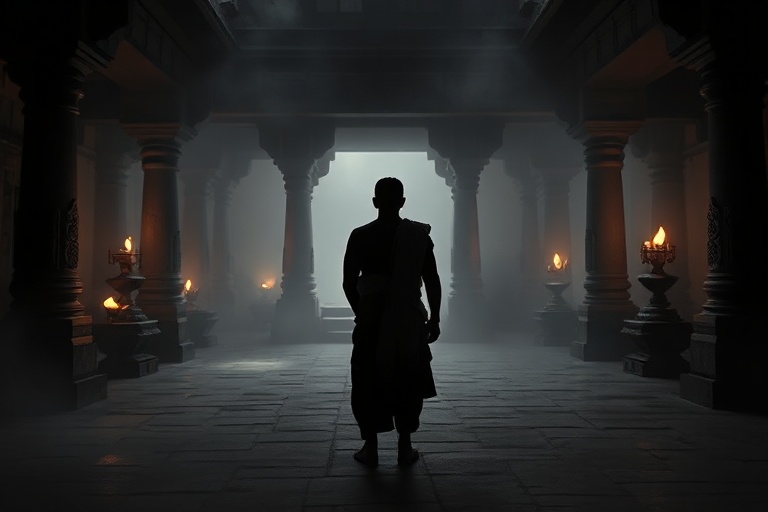
Karuppu: The Cultural Power of Black in Tamil Identity
Color holds power beyond aesthetics. It shapes cultures, influences emotions, and even dictates social norms. Among the spectrum of hues, karuppu—the Tamil word for black—carries a weight that transcends its simple definition. While often dismissed as a mere absence of light, karuppu is a vibrant cultural force, deeply woven into the fabric of Tamil identity, spirituality, and everyday life.
In Tamil Nadu and across South India, karuppu is far from neutral. It is a color of authority, protection, and rebellion. From the dark, earthy tones of traditional attire to the symbolic use in religious rituals, karuppu commands respect and conveys meaning that white or other colors cannot. This article explores the multifaceted role of karuppu, examining its cultural significance, psychological impact, and evolving presence in modern society.
The Cultural Roots of Karuppu
Karuppu’s significance begins in ancient Tamil society, where color was never arbitrary. Unlike Western color symbolism—where black often signifies mourning or formality—karuppu in Tamil culture is associated with strength, resilience, and the earth itself. The color is tied to the land, to the fertile black soil of the Cauvery delta, which has sustained civilizations for millennia.
Historically, karuppu was the color of choice for warriors and leaders. In Sangam literature, heroes and chieftains were often described as wearing dark garments, symbolizing their connection to the soil and their unyielding spirit. The Karuppannar, a folk deity worshipped in rural Tamil Nadu, is depicted with black skin, embodying protection and justice. Devotees wear black during festivals dedicated to this god, reinforcing the color’s spiritual potency.
Even in daily life, karuppu plays a pivotal role. It is the preferred color for school uniforms in many rural areas, not just for practicality but for its perceived ability to instill discipline and focus. In weddings, the groom often wears a dark veshti (dhoti), signaling stability and commitment. These traditions are not relics of the past; they are living practices that continue to shape Tamil identity today.
Karuppu in Modern Context: Identity and Expression
The 21st century has seen karuppu evolve from a cultural staple to a bold statement of identity. In fashion, designers are reimagining black not as a color of conformity but of creativity. Tamil film stars and musicians, from Rajinikanth to Dhee, have leveraged karuppu to craft iconic personas that resonate far beyond regional boundaries. The color’s association with power and mystery has made it a favorite in global pop culture, yet its roots remain distinctly Tamil.
This duality—simultaneously local and universal—has given karuppu a new kind of influence. Social media platforms, particularly Instagram and TikTok, have amplified its reach. Hashtags like #KaruppuStyle or #BlackIsPower showcase how the color is being redefined by a younger generation. Tamil youth, especially those in the diaspora, are using karuppu to assert their heritage while engaging with global trends. It’s a quiet revolution, one where a color becomes a bridge between tradition and modernity.
Yet, the journey hasn’t been without challenges. Karuppu’s association with caste has sparked debates, particularly in the context of the Dalit movement. For some, the color is a symbol of oppression, tied to historical marginalization. Others reclaim it as a mark of pride, subverting its traditional associations. This tension highlights the complexity of cultural symbols: they are not static. They evolve, adapt, and are often contested.
Key Aspects of Karuppu’s Modern Influence
- Fashion and Identity: From streetwear to high fashion, karuppu is being used to assert Tamil pride and challenge global fashion norms.
- Digital Culture: Social media has allowed karuppu to transcend regional boundaries, becoming a symbol of cultural resilience and creativity.
- Social Movements: The color is both a battleground and a banner for debates on caste, identity, and representation in Tamil society.
- Spiritual Revival: Temples and religious practices continue to use karuppu, but younger generations are reinterpreting its spiritual significance.
The Psychology and Perception of Karuppu
Color psychology suggests that black is often associated with authority, sophistication, and mystery. In Western contexts, it’s the color of the “little black dress” and the power suit. In Tamil culture, these associations are amplified by historical and spiritual meanings. Karuppu is not just seen; it is felt. It evokes a sense of grounding, of being connected to something larger than oneself.
Studies on color perception indicate that black can increase feelings of strength and self-assurance. In Tamil Nadu, this might explain why karuppu is favored in leadership roles, from village heads to corporate executives. It’s a color that commands attention without demanding it, a quiet assertion of presence. This psychological impact is not limited to individuals; it extends to institutions. Political parties, religious orders, and even sports teams use karuppu to project an image of unity and determination.
Yet, the perception of karuppu is not monolithic. For some, it remains a color of mourning, tied to loss and grief. During the COVID-19 pandemic, black became synonymous with funerals and sorrow, a stark reminder of the color’s dual role. This duality forces us to confront the fluid nature of color symbolism. Karuppu is not just one thing; it is many things, depending on context, history, and personal experience.
Looking Ahead: The Future of Karuppu
As Tamil communities continue to grow globally, karuppu is poised to play an even larger role in shaping cultural narratives. The diaspora, particularly in countries like Singapore, Malaysia, and the United States, is redefining what it means to be Tamil. For the younger generation, karuppu is not just a color; it’s a language. It communicates heritage, resilience, and creativity in a world that often demands assimilation.
In the arts, karuppu is being used to tell new stories. Filmmakers, writers, and visual artists are exploring its symbolism in ways that resonate with contemporary audiences. For example, the 2023 film Karuppu (dir. M. Muthaiah) used the color as a metaphor for the unspoken struggles of rural Tamil Nadu, blending folklore with modern cinema. Such works are not just entertainment; they are cultural artifacts that preserve and reinterpret tradition.
The future of karuppu will also be shaped by technology. Augmented reality and virtual fashion are allowing people to experiment with color in ways that were once unimaginable. Imagine a Tamil bride designing her wedding lehenga in virtual reality, using karuppu not just for its cultural significance but for its aesthetic versatility. Technology could democratize the use of karuppu, making it accessible to those who might not have the means to engage with traditional forms of expression.
However, with this evolution comes responsibility. As karuppu gains global visibility, there is a risk of it being stripped of its cultural context. Fashion brands might adopt it as a trend without acknowledging its roots. Social media influencers might use it for clout without understanding its significance. This is where education and dialogue become crucial. Preserving the meaning of karuppu requires intentionality—whether through art, scholarship, or community engagement.
A Call to Appreciate Karuppu
Karuppu is more than a color. It is a testament to the power of symbols, the resilience of culture, and the fluidity of identity. Whether through the dark soil of a Tamil village, the black attire of a modern-day warrior, or the pixels of a digital avatar, karuppu continues to assert its presence. It challenges us to look beyond the surface, to see the depth in what might otherwise be overlooked.
As we move forward, let’s not reduce karuppu to a trend or a stereotype. Instead, let’s engage with it as a living tradition, one that invites us to explore, question, and celebrate. In doing so, we honor not just the color, but the people and stories it represents. Karuppu reminds us that identity is not something we wear lightly—it is something we carry with intention, with pride, and with purpose.
For those interested in exploring more about Tamil culture and its vibrant traditions, visit Dave’s Locker Culture section or dive into the Entertainment archives for deeper insights into how these themes manifest in media and art.