Nurburgring 24 Hours: The Ultimate Test of Speed and Endurance
The Nurburgring 24 Hours is more than just a race—it’s a brutal, relentless examination of man and machine. Held annually on the legendary Nordschleife circuit in Germany, this endurance event pushes teams to their absolute limits over 24 hours of non-stop competition. Unlike traditional races, victory here demands a rare combination of speed, reliability, and strategic foresight.
The Nordschleife itself is unforgiving. Its 20.8-kilometer (12.9-mile) layout features over 70 turns, elevation changes, and sections where a single mistake can end a car’s race instantly. For drivers, it’s a high-stakes chess match against fatigue, mechanical failure, and the circuit’s ever-shifting conditions. For manufacturers, it’s a proving ground where lessons learned translate directly to road cars. For fans, it’s a spectacle of raw endurance and mechanical drama.
The History and Prestige of the Nurburgring 24 Hours
The Nurburgring 24 Hours traces its roots back to 1970, when it was introduced as a test of both speed and durability. Originally conceived as a way to evaluate production-based cars, it quickly evolved into a premier endurance event. The race’s prestige grew alongside the Nordschleife’s reputation as “The Green Hell”—a nickname coined by Jackie Stewart after his first lap in 1968.
Over the decades, the event has seen legendary performances. Porsche, BMW, and Audi have dominated much of its history, but the 2010s brought fresh competition from Japanese manufacturers like Nissan and Lexus. The 2023 edition, for instance, saw victory by a BMW M4 GT3, continuing the marque’s stronghold on the event. Yet, each year brings new surprises, from underdog teams snatching podiums to dramatic retirements in the final hours.
What makes this race unique is its accessibility. While it attracts top-tier professional teams, amateur drivers—known as “gentlemen drivers”—often share the track with them. This blend of professionalism and passion adds to the event’s allure. Fans don’t just watch; they immerse themselves in the atmosphere, camping near the track and following the race through live updates and on-board cameras.
Why the Nurburgring 24 Hours Matters Beyond the Race
The Nurburgring 24 Hours isn’t just about who finishes first. Its real impact lies in how it shapes automotive technology, racing culture, and even consumer expectations. For automakers, the race is a rolling laboratory. Every corner taken at high speed, every gear shift under load, every brake application in the wet—these moments are data points that inform the development of future road cars.
Take Porsche, for example. The German manufacturer has long used the Nurburgring as a benchmark for performance and reliability. Cars like the 911 GT3 RS and Taycan have undergone rigorous testing on the Nordschleife, with engineers fine-tuning everything from aerodynamics to cooling systems. Lessons learned here often trickle down to everyday models, ensuring that technologies like adaptive dampers or advanced braking systems meet real-world demands.
Beyond technology, the event fosters a sense of community. The “24 Hours” moniker extends beyond the race itself—it’s a festival. Fans from around the world gather to camp near the track, swap stories, and celebrate their shared passion. The atmosphere is electric, with live music, food stalls, and even vintage car parades adding to the spectacle. It’s a rare moment where motorsport transcends competition and becomes a cultural touchstone.
Key Takeaways from the Nurburgring 24 Hours
- Endurance as a Science: Teams must balance speed with reliability, often making strategic pit stops to change tires, refuel, or repair minor issues without losing ground.
- A Proving Ground for Innovation: Technologies tested here—like advanced hybrid systems or lightweight materials—often appear in production cars within a few years.
- A Test of Human Stamina: Drivers rotate in shifts, but fatigue remains a constant challenge, especially during nighttime sessions when reaction times slow and mistakes compound.
- Inclusivity in Motorsport: While top teams compete for overall wins, amateur drivers and privateer teams can still achieve class victories, keeping the event accessible.
- Global Influence: Winners and standout performances often spark international interest, driving tourism to the Nurburgring and boosting local economies.
The Future of the Nurburgring 24 Hours
As the automotive world shifts toward electrification and sustainability, the Nurburgring 24 Hours faces both challenges and opportunities. Electric and hybrid entries are becoming more common, with teams like Audi and Mercedes experimenting with high-performance EV platforms. The 2022 introduction of the electric-powered Porsche Taycan Turbo GT marked a turning point, proving that zero-emission cars could compete at the highest level.
Yet, the transition isn’t without hurdles. Battery weight, charging logistics during the race, and the need for specialized tires all pose unique challenges. Some purists argue that the Nordschleife’s traditional character risks being diluted by hybrid systems or driver aids. Others see it as an inevitable evolution, one that ensures the event remains relevant in a changing world.
Regardless of these debates, one thing is certain: the Nurburgring 24 Hours will endure. Its blend of history, spectacle, and technical rigor ensures its place as one of motorsport’s most iconic events. For drivers, it’s the ultimate challenge. For manufacturers, it’s a badge of honor. And for fans, it’s a celebration of everything that makes racing special.
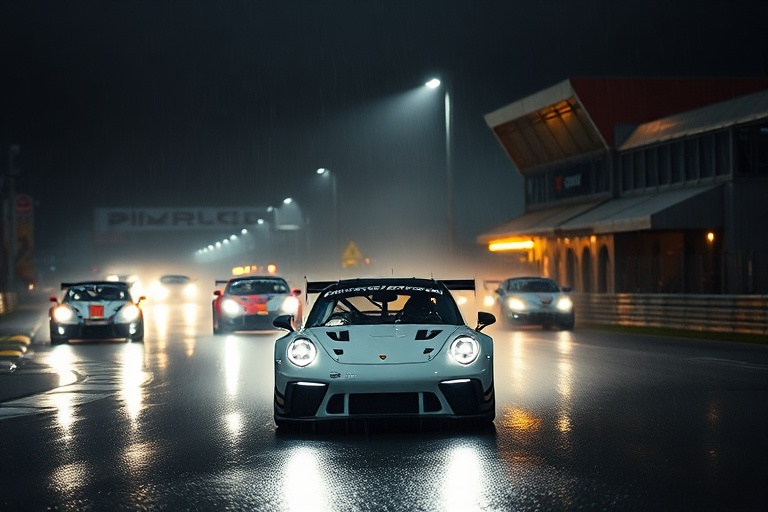
As the sun sets over the Eifel Mountains and the headlights of the leading cars pierce the darkness, the race enters its final hours. The tension is palpable. One misstep could cost everything. But for those who endure, the reward isn’t just a trophy—it’s the knowledge that they’ve conquered the Green Hell.
How to Experience the Nurburgring 24 Hours
For those inspired to witness this incredible event in person, planning is key. The race typically takes place in late May or early June, with practice sessions and qualifying leading up to the main event. Tickets can be purchased through the Nurburgring’s official website, but options range from grandstand seats to camping packages that put you right in the heart of the action.
If you’re unable to attend, fear not. The race is broadcast live on various motorsport platforms, and onboard cameras provide a driver’s-eye view of the action. For a deeper dive, follow teams on social media or check out post-race analyses from outlets like Dave’s Locker Automotive, where experts break down the strategies, mechanical failures, and standout performances that define each year’s event.
Whether you’re a lifelong motorsport fan or a newcomer to the world of endurance racing, the Nurburgring 24 Hours offers something unforgettable. It’s a testament to human ingenuity, a celebration of speed, and a reminder of why racing captivates millions around the globe.