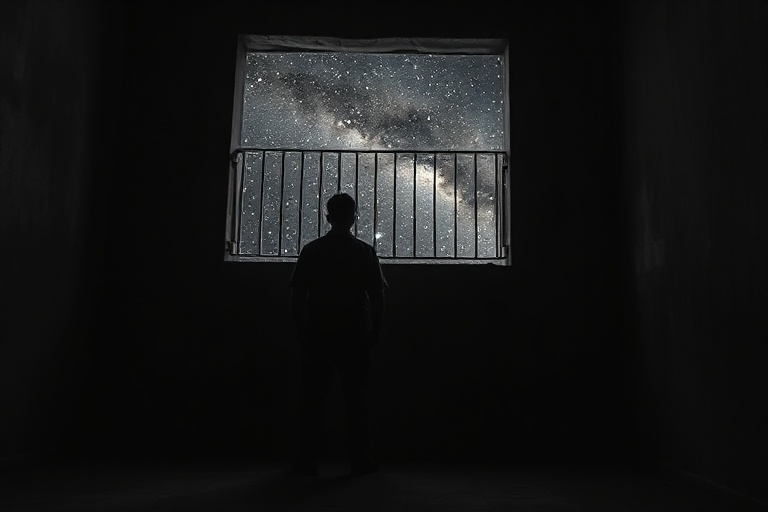
The term Prisoner Sky has emerged in online forums and gaming communities as a metaphor for the psychological and social consequences of extreme digital confinement. While the phrase originated in gaming culture, it has since expanded into broader discussions about online identity, mental health, and the unintended effects of immersive digital experiences. What begins as an escape from reality can, for some, become a gilded cage of isolation.
The concept gained traction after players of massively multiplayer online games described experiences where virtual worlds became inescapable psychological spaces. These players—often spending hundreds of hours in-game—reported feelings of detachment from physical reality, blurred boundaries between online and offline selves, and a growing inability to reintegrate into everyday life. This phenomenon is not limited to gaming. It reflects a larger pattern in how digital environments can reshape human cognition and social behavior.
The Psychological Landscape of Digital Confinement
Digital confinement differs from physical imprisonment in one crucial way: the prisoner is often unaware they are confined. There are no bars, no guards—just endless content, achievements, and social validation. Over time, the online world becomes the primary source of meaning. This shift can lead to what psychologists call dissociation—a mental state where individuals feel detached from their surroundings or even their own identity.
In extreme cases, players have described waking up to realize they had spent an entire weekend—or longer—inside a game, neglecting meals, sleep, and real-world obligations. The brain, starved for novelty and reward, prioritizes the digital over the tangible. This isn’t mere distraction; it’s a rewiring of priorities, where the virtual self feels more “real” than the physical one.
Research supports this. Studies on internet addiction have shown structural changes in the prefrontal cortex—the region responsible for decision-making and impulse control—among heavy internet users. The dopamine-driven feedback loops in games and social media create a cycle that mimics substance dependence, reinforcing compulsive behavior.
Signs of Digital Confinement
Recognizing Prisoner Sky isn’t always straightforward. The symptoms are often subtle at first:
- Prioritization Shift: Choosing screen time over real-world interactions, even when it leads to negative consequences.
- Emotional Displacement: Feeling boredom or emptiness in offline settings that were once fulfilling.
- Identity Fusion: Blurring the line between in-game and real-world personas, sometimes to the point of adopting mannerisms or speech patterns from virtual environments.
- Defensiveness: Reacting negatively when questioned about time spent online, framing it as “just a hobby” while minimizing its impact.
- Neglect of Health: Skipping meals, poor sleep hygiene, or ignoring physical health due to prolonged digital engagement.
These signs point to a deeper issue: the erosion of balance between digital and physical existence. Unlike traditional addictions tied to substances, digital confinement thrives on accessibility and customization, making it harder to escape.
From Gaming to Everyday Life: The Broader Implications
Prisoner Sky is not confined to MMOs or competitive gaming. It reflects a wider cultural shift toward ambient digital presence—a state where technology is always on, always accessible, and always demanding attention. Social media, streaming platforms, and even productivity tools contribute to this environment. The difference is that games often deliver more intense, immediate rewards, making them prime environments for confinement.
Consider the rise of live-service games, which are designed to keep players engaged indefinitely through regular updates, seasonal events, and social pressure (e.g., guilds, leaderboards). These games are not just entertainment; they are ecosystems that foster dependency. Players invest emotionally in virtual communities, creating a sense of belonging that rivals offline relationships. When the game becomes the primary source of connection, leaving it feels like abandoning a family.
This dependency extends beyond gaming. Remote work, virtual classrooms, and digital socializing have normalized prolonged screen time. The COVID-19 pandemic accelerated this trend, blurring the boundaries between work, school, and leisure in digital spaces. For some, the home screen became the only window to the world—both a refuge and a trap.
Who Is Most Vulnerable?
Not everyone experiences digital confinement equally. Vulnerability increases with:
- Lack of Offline Support: Individuals with limited real-world social networks may rely more heavily on online interactions for validation and connection.
- Pre-existing Mental Health Conditions: Anxiety, depression, or ADHD can amplify the allure of immersive digital environments, which offer control and escape.
- Structural Isolation: People in remote areas, those with limited mobility, or those who work non-traditional hours may find digital spaces more accessible than physical ones.
- Personality Traits: High levels of neuroticism or low conscientiousness have been linked to problematic internet use.
- Early Exposure: Younger generations, raised in the digital age, may lack the offline coping mechanisms that older individuals developed.
This vulnerability highlights a paradox: digital spaces, designed to connect us, can also isolate us by replacing depth with breadth, presence with performance, and relationships with interactions.
Breaking Free: Strategies for Reclaiming the Sky
Escaping Prisoner Sky begins with awareness. The first step is recognizing that the digital world, while enriching, should not become a substitute for lived experience. From there, small but deliberate changes can restore balance.
One effective strategy is scheduled disconnection. Setting specific times to step away from screens—such as during meals or the first hour after waking—helps recalibrate the brain’s reward system. Physical activity, even something as simple as a daily walk, can serve as a reminder that the world outside the screen is still vibrant and real.
For gamers and digital natives, environmental design plays a role. Rearranging living spaces to include screens in communal areas rather than bedrooms can reduce solitary engagement. Similarly, replacing passive scrolling with active hobbies—drawing, cooking, or even gardening—can rebuild offline identity.
Community support is also critical. Online recovery groups, such as those on tech culture forums, provide a space to share experiences and strategies. These groups emphasize that no one is alone in their struggle, even when isolation feels like the default.
Ultimately, the goal isn’t to reject digital life but to reassert control over it. The sky should be vast, not a ceiling.
Conclusion: The Sky Belongs to Everyone
Prisoner Sky is a modern paradox: a condition born from our desire to connect, innovate, and escape, yet one that can trap us in the very spaces we sought to inhabit. It challenges us to ask not just how much time we spend online, but what we lose when the digital world becomes our primary reality.
As technology continues to evolve, so too must our understanding of its psychological footprint. The goal isn’t to demonize screens or games, but to cultivate a relationship with them that is intentional, balanced, and life-affirming. The sky is not a prison—unless we choose to build the walls ourselves.