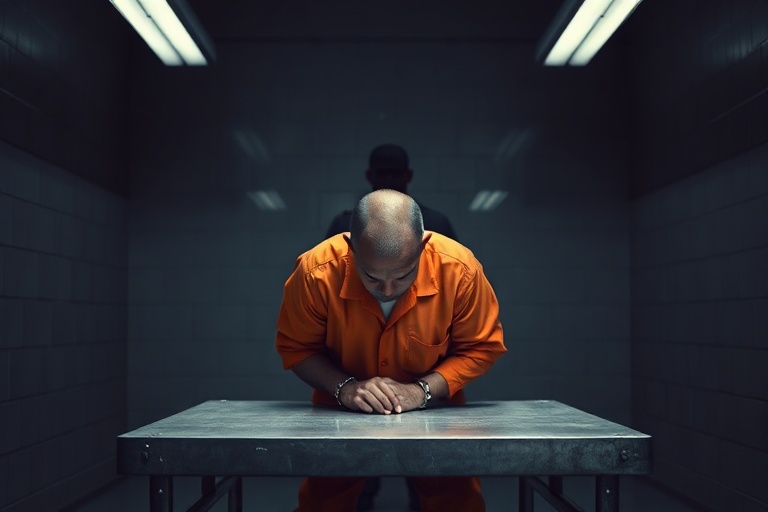
The term prisoner carries weight far beyond its dictionary definition. It conjures images of confinement, loss of freedom, and the stark realities of incarceration. Yet, the word has also seeped into popular culture, most notably through the 1979 cult classic film Prisoner—known internationally as Cell Block H—which redefined the prison genre on television. Its influence persists decades later, shaping perceptions of captivity, authority, and rebellion.
The Origins of a Cultural Phenomenon
Originally airing in Australia in 1979, Prisoner (or Prisoner: Cell Block H) emerged during a time when prison dramas were largely confined to gritty crime stories or sanitized legal procedurals. What set it apart was its raw, unfiltered portrayal of life behind bars. The show introduced audiences to a microcosm of power struggles, personal dramas, and institutional brutality—elements that felt uncomfortably real.
The series followed the lives of female inmates at the fictional Wentworth Detention Centre, a place where survival often depended on wit, alliances, and sheer resilience. Its creator, Reg Watson, drew inspiration from real prison experiences, blending social commentary with soap opera sensibilities. The result was a program that balanced high-stakes storytelling with emotional depth, earning a devoted following.
Key Elements That Defined the Show
- Character-Driven Narratives: Unlike many prison stories that focused on escape or revenge, Prisoner prioritized character development. Inmates like Bea Smith, Lizzy Birdsworth, and Doreen Anderson became household names, their struggles and triumphs resonating with viewers.
- Unflinching Realism: The show didn’t shy away from depicting the harsh realities of prison life—corruption, violence, and the psychological toll of confinement. This authenticity set it apart from more sanitized dramas.
- Feminist Undertones: By centering women’s experiences in a system often designed for men, Prisoner offered a rare perspective. It highlighted issues like gendered violence, maternal separation, and systemic discrimination.
- Cultural Impact: The show’s catchphrases, such as “Get off my patch!” and “You’re not in Kansas anymore, Dorothy,” entered the Australian lexicon, cementing its place in pop culture.
The Broader Implications of Confinement
The legacy of Prisoner extends beyond entertainment. It invites reflection on the broader concept of imprisonment—not just physical, but psychological and societal. Prisons, as institutions, are designed to punish, but they also serve as mirrors reflecting a society’s values, fears, and failures.
For instance, the show’s portrayal of power dynamics within the prison system raises questions about authority and abuse. Wardens and guards are not always villains, but their roles often force them into morally ambiguous positions. This complexity challenges viewers to consider the humanity of both captors and captives.
Moreover, Prisoner subtly critiques the idea of rehabilitation versus punishment. While some characters seek redemption, the system frequently undermines their efforts. This tension remains relevant today, as debates over prison reform continue to dominate political discourse.
Modern Parallels in Television and Film
The influence of Prisoner can be seen in later works like Orange Is the New Black, which similarly explores the lives of incarcerated women with nuance and empathy. Both shows highlight how imprisonment strips away societal labels, revealing raw, unfiltered humanity. Yet, they also underscore how systemic barriers—race, class, gender—shape experiences behind bars.
Even in films like The Shawshank Redemption, the theme of confinement transcends physical walls. The story’s enduring appeal lies in its exploration of hope and resilience, themes that Prisoner also championed through its complex characters.
Why Prisoner Still Matters Today
Decades after its debut, Prisoner remains a touchstone for discussions about justice, freedom, and humanity. Its enduring relevance speaks to the universality of its themes—struggle, survival, and the search for dignity in the face of oppression. In an era where mass incarceration is a global issue, the show’s critique of the prison system feels more urgent than ever.
Beyond its social commentary, Prisoner also paved the way for more diverse storytelling in television. By centering women’s voices and experiences, it challenged the male-dominated narratives of its time. This legacy continues to inspire creators who seek to amplify marginalized perspectives.
Lessons for Contemporary Storytelling
The show’s success offers several insights for modern creators:
- Authenticity Over Sensationalism: Prisoner avoided exploitative storytelling, instead focusing on character-driven narratives that felt grounded in reality.
- Complex Villains and Heroes: Its characters were neither purely good nor evil, reflecting the moral ambiguity of real life.
- Cultural Relevance: By addressing pressing social issues, the show transcended mere entertainment, becoming a cultural touchstone.
- Emotional Resonance: The show’s ability to evoke empathy for its characters ensured its longevity, proving that audiences crave stories that challenge and move them.
For those interested in exploring similar themes, Dave’s Locker’s Entertainment section offers a curated selection of films and shows that delve into the complexities of human struggle and resilience. Additionally, the Culture section provides deeper analysis on how media shapes societal perceptions.
A Lasting Legacy
Prisoner is more than a relic of 1970s television. It is a testament to the power of storytelling to challenge, provoke, and inspire. Its exploration of confinement—both literal and metaphorical—continues to resonate, reminding us that the fight for freedom is as much an internal struggle as it is an external one.
As society grapples with issues of justice, equality, and human rights, the lessons of Prisoner remain pertinent. It challenges us to look beyond stereotypes, to question systems of power, and to recognize the humanity in even the most marginalized voices. In doing so, it secures its place not just as a classic of television, but as a cultural artifact that invites ongoing reflection.
The story of Prisoner is, at its core, the story of resilience—a reminder that even in the darkest corners of life, the human spirit endures. And that is a legacy worth remembering.