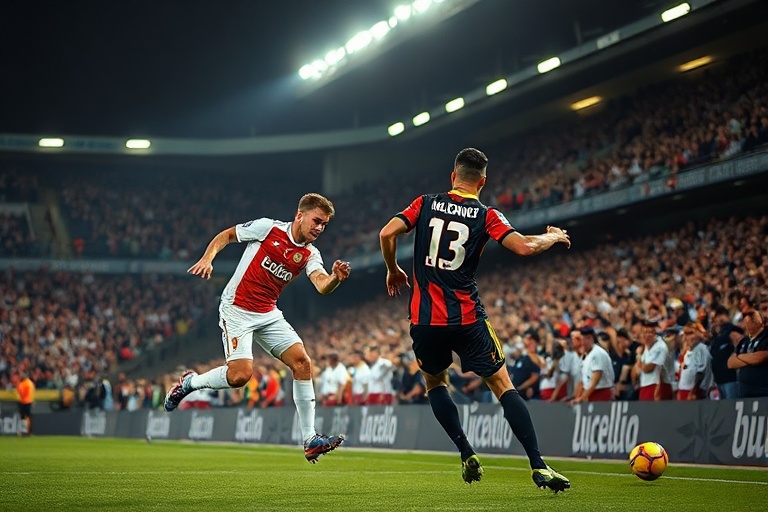
Football in Spain’s La Liga is more than just a sport—it’s a reflection of cultural identities, regional pride, and tactical evolution. When Valencia CF faces Rayo Vallecano, the matchup transcends the pitch, offering a contrast between tradition and rebellion, wealth and grit. These two clubs, separated by geography and philosophy, often produce some of the league’s most compelling narratives.
Valencia CF, with its storied history and global fanbase, represents the polished side of Spanish football. Based in Valencia, a city known for its vibrant culture and architectural marvels like the City of Arts and Sciences, the club has long been a bastion of technical excellence. Rayo Vallecano, from the working-class neighborhood of Vallecas in Madrid, embodies the underdog spirit, often punching above its weight with a relentless, high-pressing style.
The Historical Divide: Valencia’s Legacy vs. Rayo’s Grit
Valencia CF was founded in 1919 and has spent most of its history in Spain’s top flight, winning six La Liga titles and seven Copa del Rey trophies. The club’s golden era came in the early 2000s under managers like Rafael Benítez and Héctor Cúper, when it challenged Europe’s elite, reaching two UEFA Champions League finals in 2000 and 2001. Today, Valencia remains a club with ambitions of reclaiming its former glory, though financial constraints have forced a more pragmatic approach.
Rayo Vallecano, on the other hand, has spent much of its history yo-yoing between La Liga and Segunda División. Founded in 1924, the club has never won a major trophy but has carved out a reputation as a team that defies expectations. Vallecas, a district known for its left-wing activism and working-class roots, provides the perfect backdrop for Rayo’s ethos. The club’s fans, known for their passionate support, often turn the stadium into a cauldron of noise and color.
Key Rivalries and Fan Cultures
The contrast between the two clubs extends beyond their histories. Valencia’s fanbase is diverse, drawing supporters from across Spain and beyond, while Rayo’s following is deeply rooted in its local community. The clash of cultures is evident in the stadiums: Mestalla, Valencia’s iconic home, exudes a sense of grandeur, while Campo de Fútbol de Vallecas is a raw, unfiltered expression of football’s soul.
Rayo Vallecano’s supporters are renowned for their activism, often using matches as platforms for social and political messages. The club has also gained international attention for its inclusive policies, such as being one of the first Spanish teams to openly support LGBTQ+ rights. This cultural dimension adds another layer to the rivalry, making it more than just a football match.
Tactical Showdown: Possession vs. Pressing
When Valencia and Rayo Vallecano meet, the tactical battle is as intriguing as the narratives surrounding the clubs. Valencia, under managers like Gennaro Gattuso or Pep Segura, often employs a possession-based system, prioritizing technical ability and build-up play. The club’s emphasis on developing young talent from its academy or through smart recruitment has been a hallmark of its recent identity.
Rayo Vallecano, meanwhile, is the antithesis of Valencia’s approach. Under managers like Paco López or Andoni Iraola, Rayo employs a high-pressing, aggressive style designed to disrupt opponents and force turnovers. The team’s intensity and physicality make them a formidable opponent, particularly for clubs unaccustomed to such relentless pressure.
What to Expect in a Typical Match
In a match between these two sides, several key themes often emerge:
- Midfield Battle: Valencia’s midfielders, often tasked with dictating play, will face Rayo’s energetic box-to-box players who thrive on second balls and quick transitions.
- Defensive Resilience: Rayo’s backline, though often exposed to quick counters, compensates with their ability to press high up the pitch. Valencia’s defenders, accustomed to a more structured game, must remain disciplined.
- Set-Piece Threats: Both teams have shown vulnerability in aerial duels, making set-pieces a potential game-changer.
- Fan Atmosphere: The contrast between Mestalla’s composed ambiance and Vallecas’ electric energy can influence the players’ mindset, especially if the match is tightly contested.
Global Perspectives: How These Clubs Fit Into the Broader Football Landscape
From a global perspective, Valencia CF and Rayo Vallecano represent two distinct models of football club operation. Valencia’s approach aligns with the traditional European football model, where technical prowess and youth development are prioritized. The club’s partnership with sponsors like Pamesa Cerámica and its focus on commercial growth reflect its ambition to compete on both domestic and international stages.
Rayo Vallecano, while less financially robust, has become a symbol of football’s grassroots spirit. The club’s ability to survive in La Liga despite limited resources is a testament to its resilience and the unwavering support of its fans. In an era where football is increasingly dominated by financial powerhouses, Rayo’s story resonates with clubs and supporters who value authenticity over opulence.
This global relevance extends to the players who represent these clubs. Valencia’s squad often includes young talents who go on to become stars, while Rayo’s players—many of whom are undervalued in the transfer market—prove that determination and teamwork can overcome individual deficiencies. For scouts and analysts worldwide, matches between these two sides offer a masterclass in contrasting football philosophies.
Conclusion: More Than Just a Match
A fixture between Valencia CF and Rayo Vallecano is more than a 90-minute contest; it’s a collision of cultures, philosophies, and aspirations. For Valencia, it’s an opportunity to assert its place among Spain’s elite, while for Rayo, it’s a chance to defy the odds and showcase the power of the underdog. The tactical chess match between possession football and high pressing adds another layer of intrigue, ensuring that these encounters are always unpredictable.
Beyond the results, the match highlights the beauty of La Liga—a league where tradition and rebellion coexist, where history and ambition intertwine. Whether you’re drawn to the grandeur of Mestalla or the raw passion of Vallecas, one thing is certain: football at its best is about more than just winning. It’s about identity, culture, and the stories that unfold on the pitch.
As the 2023-24 season unfolds, the rivalry between Valencia and Rayo will continue to captivate fans, offering a reminder that football is as much about heart as it is about skill. For neutrals, these matches are a celebration of the sport’s diversity; for purists, they are a masterclass in tactical nuance. And for the players, it’s a chance to etch their names into a rivalry that transcends the ordinary.