Why the Carnival Spirit Is More Than Just a Festival—It’s Culture Alive
What Is the Carnival Spirit? A Global Celebration of Joy and Unity
The carnival spirit is more than just a season or an event—it is a living expression of culture, history, and shared human joy. Across continents, from the glittering streets of Rio de Janeiro to the colorful parades of Venice, the carnival spirit embodies liberation, creativity, and collective celebration. These festivals are not merely parties; they are vibrant cultural markers that reflect the soul of communities, rooted in traditions that often span centuries.
At its core, the carnival spirit celebrates the temporary suspension of social norms, allowing people to step outside their daily identities. It invites participation over observation, transforming spectators into performers and bystanders into believers. Whether through music, dance, costume, or ritual, carnival becomes a universal language of expression—one that transcends language barriers and unites people in a shared moment of euphoria.
Origins and Evolution: Tracing the Carnival Spirit Through Time
The roots of carnival are as diverse as the cultures that embrace it. Many trace its origins to pre-Christian pagan festivals marking the end of winter and the rebirth of spring. The Romans celebrated Saturnalia, a festival of revelry and role reversal, while medieval Europe developed Shrovetide celebrations leading up to Lent. These ancient traditions were later absorbed and transformed by Christian calendars, particularly in Catholic traditions, where Carnival—derived from the Latin carne vale, “farewell to meat”—served as a final feast before the solemnity of Lent.
As European powers expanded globally, so did the reach of carnival traditions. In the Caribbean, African slaves infused these celebrations with rhythms, dances, and spiritual practices from their homelands. The result was a fusion of cultures that gave birth to new forms of carnival expression—most notably in Trinidad and Tobago, where Carnival became a vehicle for resistance, cultural pride, and national identity.
Today, carnival is a dynamic blend of historical legacy and modern innovation. Cities like New Orleans with Mardi Gras, Salvador with its Afro-Brazilian energy, and Notting Hill in London have all reimagined the spirit of carnival in ways that reflect their unique social and cultural contexts. Each iteration tells a story—not just of festivity, but of survival, creativity, and community resilience.
The Global Carnival Stage: Where Tradition Meets Innovation
Carnival is a global phenomenon, yet each celebration offers a distinct flavor of the carnival spirit. In Brazil, Carnival in Rio de Janeiro is synonymous with samba schools, elaborate floats, and dazzling costumes that cost millions to create. It is a year-long labor of love, where communities come together to craft art that moves through the streets in rhythm and color. Meanwhile, in Venice, Italy, the carnival spirit is whispered through masks and mystery, with elaborate Baroque costumes and silent elegance that hark back to 18th-century decadence.
In the Caribbean, Carnival is a living archive of African heritage. In Trinidad and Tobago, the festival features calypso and soca music, steelpan orchestras, and masquerade bands parading through the streets in costumes that can weigh over 100 pounds. In Haiti, Kanaval blends Vodou traditions with political satire, using rhythm and dance to critique power structures. Across the Atlantic, in Cologne, Germany, Karneval transforms the city into a sea of confetti and costumes, where strangers become friends and the entire community joins in revelry before the quiet of Lent.
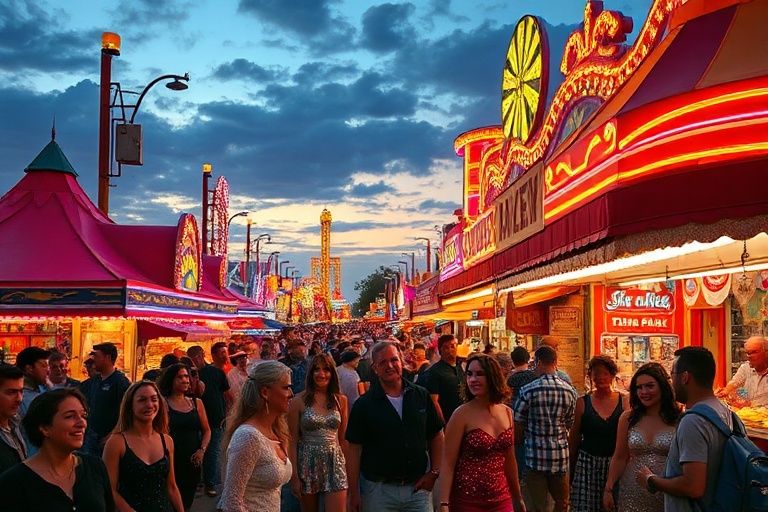
Even in places without deep historical ties to carnival, the spirit has taken root. In Sydney, Australia, the Gay and Lesbian Mardi Gras has become one of the world’s most visible celebrations of LGBTQ+ pride, merging carnival’s joy with activism and visibility. In Toronto, Caribana (now Toronto Caribbean Carnival) draws over a million visitors each year, making it one of North America’s largest street festivals.
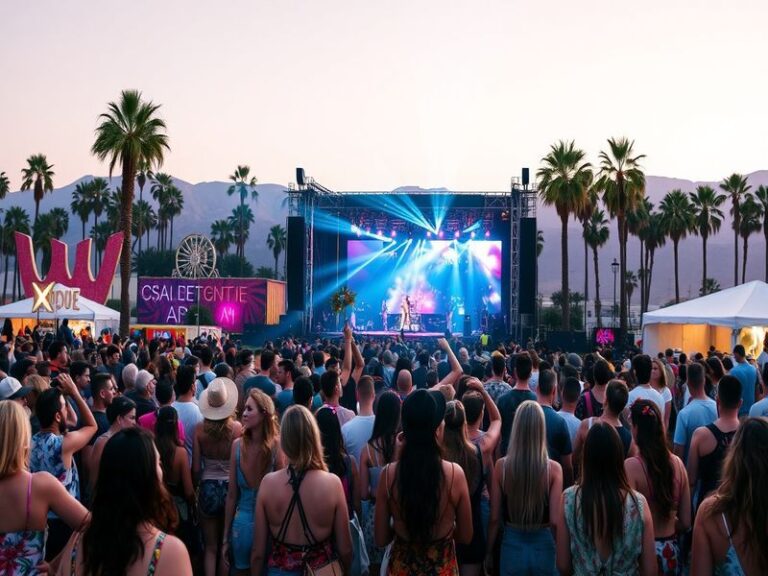
The carnival spirit adapts without losing its essence. Whether it’s a small-town parade in Louisiana or a massive electronic music festival in Berlin that borrows carnival aesthetics, the core remains the same: a celebration of life, identity, and collective joy.
Why the Carnival Spirit Matters Today
In an era marked by division and digital isolation, the carnival spirit offers something rare and vital: real connection. These festivals demand presence—you cannot experience carnival through a screen. They require you to step outside, touch fabric, taste food, feel music vibrating in your chest, and dance beside strangers who quickly feel like family. This kind of embodied joy is a counterpoint to the screen-mediated lives many lead.
The carnival spirit also serves as a platform for social commentary. From Trinidadian calypsos that critique corruption to Notting Hill’s Carnival floats addressing racial justice, these celebrations are not apolitical. They provide a space where marginalized voices can be amplified and where society’s contradictions are paraded for all to see—often with humor, satire, and grace.
Economically, carnival is a powerhouse. It drives tourism, supports local artists and artisans, and sustains entire industries—from costume designers to street food vendors. In Trinidad and Tobago, Carnival contributes hundreds of millions to the national economy each year. In Venice, it supports a fragile tourism model that balances cultural preservation with commercial demands.
Culturally, carnival preserves endangered traditions. Many festivals involve the passing down of skills—sewing intricate costumes, playing traditional instruments, composing satirical lyrics. These practices keep heritage alive across generations. Organizations like the Cultural Heritage Foundation in the Caribbean work to document and sustain these traditions, recognizing that carnival is not just entertainment—it’s cultural preservation in motion.
The Future of the Carnival Spirit: Challenges and Opportunities
The carnival spirit faces both promise and pressure. Climate change threatens outdoor festivals, with extreme weather disrupting parades and damaging costumes. Rising costs and commercialization risk diluting the authenticity of community-driven celebrations. In some cities, gentrification and tourism pressures have pushed longstanding local carnivals to the margins.
Yet, innovation is also at work. Many carnivals are embracing sustainability—using recycled materials for costumes, sourcing locally grown food, and offsetting carbon footprints. Digital innovation is enhancing accessibility: virtual reality previews allow global audiences to experience parades remotely, and social media helps local artists gain international recognition.
A new generation is also redefining carnival. Youth-led collectives are blending traditional rhythms with electronic music, merging genres like dancehall with techno or samba with hip-hop. These fusions ensure that the carnival spirit remains relevant to younger audiences while honoring its roots.
Perhaps most importantly, carnival continues to be a space of belonging. For diasporic communities, it is a tether to ancestral homelands. For LGBTQ+ individuals, it is a sanctuary of visibility. For artists and dreamers, it is a blank canvas for imagination. The carnival spirit endures because it answers a deep human need—to belong, to express, and to celebrate life together.
Five Ways to Experience the Carnival Spirit Beyond the Parade
If you can’t travel to Rio or Trinidad, you can still invite the carnival spirit into your life. Here are five ways to connect with its energy:
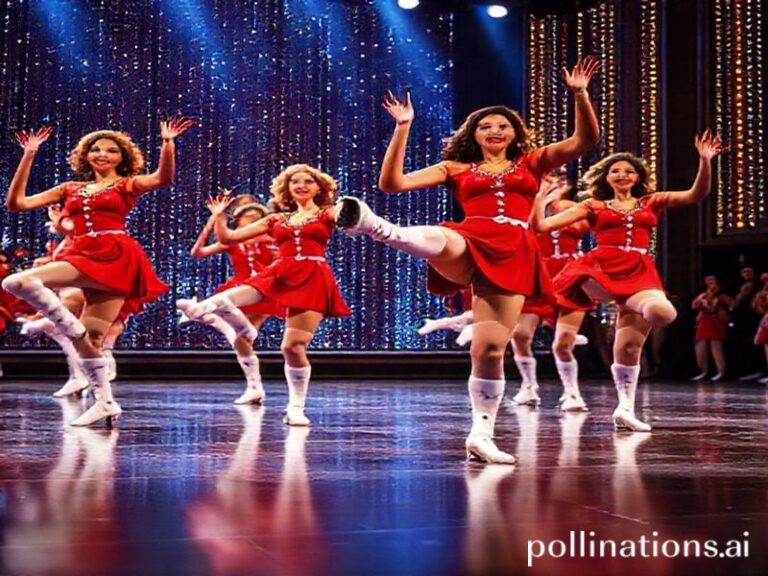
- Learn a Carnival Dance: Whether it’s samba from Brazil, wining from Trinidad, or the polka-infused steps of German Carnival, movement is central to carnival joy. Many cities offer community classes—especially in the weeks leading up to carnival season.
- Cook a Carnival Dish: Feijoada from Brazil, pelau from Trinidad, or king cake from New Orleans—each dish carries the flavors of carnival history. Try making one at home and share it with friends.
- Create a Mini-Costume: You don’t need a professional designer. Use recycled materials, feathers, sequins, and paint to craft a wearable piece. Carnival is about transformation, and that starts with how you present yourself.
- Host a Carnival Listening Party: Curate a playlist of soca, samba, calypso, or brass band music. Play it loud. Dance. Invite neighbors. Turn your living room into a micro-parade.
- Support Local Carnival Artists: Many traditional carnival makers sell their work online. Buying directly from artisans—whether costumes, instruments, or art—helps sustain the spirit year-round.
A Final Thought: The Carnival Spirit as a Human Right
The carnival spirit reminds us that joy is not a luxury—it is a vital part of what it means to be human. In a world often divided by borders, languages, and beliefs, carnival stands as a testament to our shared capacity for celebration, creativity, and connection. It teaches us that liberation can be joyful, that identity can be expressed through art, and that community can be built in the streets.
As we move forward, the challenge is not just to preserve carnival as a spectacle, but to protect its soul. That means supporting local organizers, respecting cultural origins, and remembering that carnival is not just for tourists—it is for the people who keep its flame alive year after year.
So the next time you hear a drumbeat in the distance or see a flash of color in a crowd, pause. You may not be in Rio or Port of Spain—but the carnival spirit is closer than you think. All it needs is a willing heart and an open door.