2026 Diamond League: A Preview of Track & Field’s Next Evolution
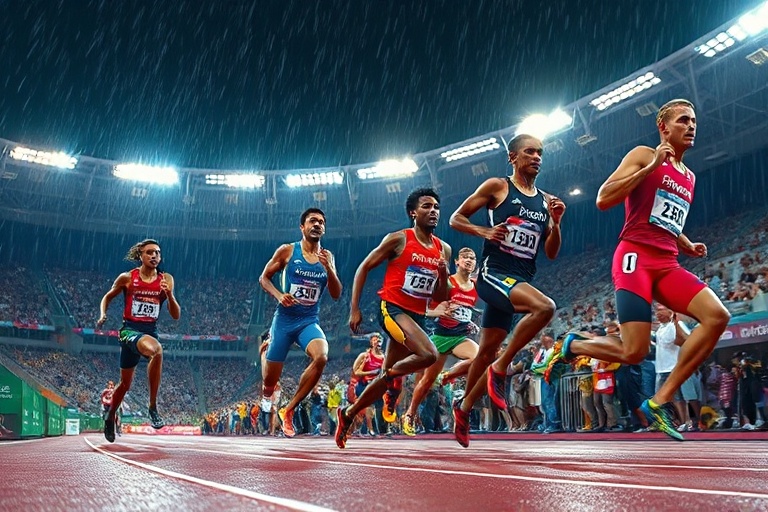
The Diamond League has long been the cornerstone of elite athletics, offering a global stage where the world’s best compete in a series of high-stakes meets. As the 2026 season approaches, anticipation is building around how the series will evolve under new leadership, expanded formats, and the ongoing push to blend tradition with innovation. With changes in broadcast strategies and an increasing focus on fan engagement, the upcoming campaign promises to redefine what it means to be a premier track and field circuit.
New Leadership and Strategic Shifts
For the first time in its history, the Diamond League will be led by a new CEO, with the appointment of former World Athletics executive Sebastian Coe announced late last year. Coe, a four-time Olympic gold medalist and longtime advocate for athlete welfare, has outlined a vision centered on sustainability, transparency, and digital-first storytelling. His leadership comes at a critical juncture, as the series seeks to maintain its relevance amid rising competition from other sporting events and the fragmented attention spans of modern audiences.
The transition arrives alongside a restructured calendar, with fewer but more strategically placed meetings designed to maximize athlete participation and fan accessibility. Gone are the days of a sprawling 14-meet circuit; the 2026 edition will feature just 10 stops, each selected for its logistical efficiency and market appeal. This condensed format aims to reduce athlete burnout while ensuring that each event feels like a marquee occasion.
One of the most significant changes involves the introduction of a “Diamond League Final Plus” concept. The top eight performers in each discipline throughout the season will earn a guaranteed berth in a one-day, winner-takes-all finale. This format mirrors the high-stakes nature of golf’s FedEx Cup or tennis’s ATP Finals, injecting an element of unpredictability and urgency that has been absent from the Diamond League’s traditional round-robin structure.
The Stars Set to Dominate the 2026 Circuit
While the Diamond League has always been a proving ground for emerging talent, the 2026 season is poised to showcase a generational shift in the sport. Sprinter Ferdinand Omanyala, fresh off his world-leading 9.77-second 100m performance in 2025, is expected to headline the men’s sprint events. His rivalry with American phenom Christian Coleman—who returns from injury—could define the season’s narrative, especially with Coleman’s coach, Dennis Mitchell, hinting at a targeted comeback schedule.
In the women’s 400m, the spotlight will be on Marileidy Paulino, the 2024 Olympic champion who has since set a personal best of 48.98 seconds. Her ability to maintain consistency under pressure will be a key storyline, particularly as she faces off against rising star Nyah Koroma, a 19-year-old prodigy from Sierra Leone who clocked 49.50 seconds at the 2025 World Juniors.
The field events are also primed for drama. Pole vault world record holder Mondays Duvall will attempt to push the boundaries of human performance, while in the shot put, the return of two-time Olympic champion Joe Kovacs—now 38—adds a layer of nostalgia to the competition. Kovacs, who has hinted at retirement, may use the 2026 season as a farewell tour, making every throw a potential record-breaking moment.
Innovation in Broadcast and Fan Experience
The Diamond League’s ability to adapt to modern consumption habits will be tested in 2026. For the first time, all 10 meetings will be available via a subscription-based streaming platform, Diamond League+, which offers real-time stats, athlete interviews, and interactive features like “choose your own commentary.” This shift follows the success of similar models in tennis and golf, where exclusive content has driven revenue growth without alienating traditional broadcasters.
Social media integration will play a pivotal role in the series’ strategy. Each meet will feature a dedicated “Fan Zone” where spectators can vote for their favorite moments in real time, with the top-voted clips earning prime placement in post-event highlights. Additionally, the league has partnered with Meta to launch an AI-powered highlight generator that tailors content to individual viewing preferences, from sprint finishes to technical field event breakdowns.
In-person attendance is also getting a facelift. The 2026 season will pilot a “Diamond Club” membership program at select venues, offering VIP access to athlete warm-ups, behind-the-scenes tours, and exclusive Q&As. Early feedback from test events in Zurich and Brussels suggests strong interest, particularly among younger fans who crave immersive experiences over passive observation.
Controversies and Challenges Ahead
No major sporting series is without its hurdles, and the Diamond League is no exception. The most pressing concern involves athlete compensation. While the series has historically operated on appearance fees rather than prize money, reports indicate that the 2026 budget will allocate $5 million specifically for performance-based bonuses. This move is a response to calls from the Athletes’ Commission for greater financial equity, especially for those outside the sport’s traditional powerhouses.
Scheduling conflicts also loom large. The 2026 Diamond League calendar overlaps with the Commonwealth Games in Victoria, Canada, forcing organizers to negotiate with World Athletics to ensure minimal disruption. Meanwhile, the series’ traditional European stronghold faces competition from new meets in Riyadh, Saudi Arabia and Singapore, both of which are vying for Diamond League status. The inclusion of these venues reflects the sport’s global ambitions but raises questions about the league’s ability to maintain its core identity amid such rapid expansion.
Environmental sustainability has become another focal point. The Diamond League has pledged to offset 100% of its carbon footprint by 2026, partnering with Climeworks to capture emissions from air travel and venue operations. Critics argue that these efforts are merely symbolic, given the sport’s reliance on international travel. However, the league’s commitment to publishing annual sustainability reports suggests a long-term shift in priorities.
What’s Next for the Diamond League?
The 2026 Diamond League season is shaping up to be a defining moment for track and field. By embracing a leaner, more dynamic format, the series is betting on quality over quantity—both in terms of athlete performance and fan engagement. The introduction of the Diamond League Final Plus could be a game-changer, offering a spectacle that rivals the Olympic Games in its intensity. Meanwhile, the league’s digital overhaul reflects a broader trend in sports, where the battle for attention is as fierce as the competition on the track.
Yet, the challenges are undeniable. Can the Diamond League balance its global ambitions with the need to preserve its soul? Will the new compensation model placate restless athletes, or will it spark further debate? And perhaps most importantly, can the series recapture the magic of its early years, when a single meet could captivate the world?
The answers to these questions will unfold over the next 12 months. One thing is certain: the 2026 Diamond League is more than just a series of track meets. It’s an experiment in the future of athletics—a test of whether tradition and innovation can coexist in an era of rapid change. For fans, athletes, and stakeholders alike, the journey promises to be as thrilling as the races themselves.
To stay updated on the latest Diamond League news and analysis, follow Dave’s Locker News for real-time coverage and expert insights.