Steve Cohen’s Tennessee Reelection Bid: A Closer Look at the Political Landscape
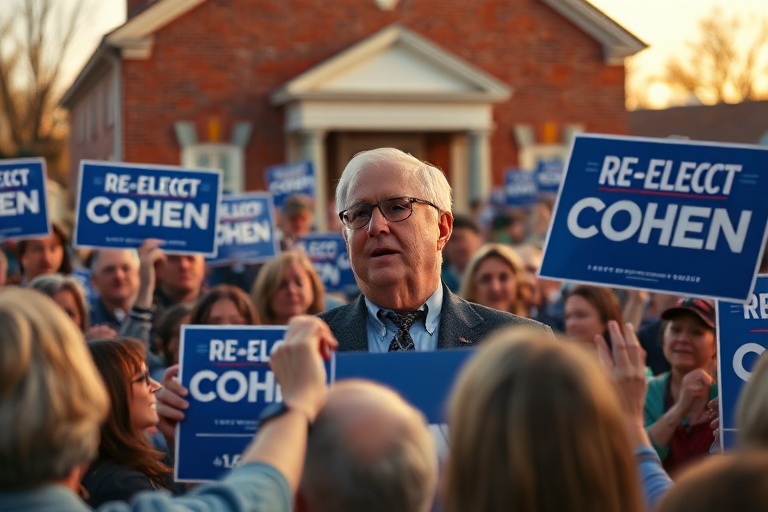
Steve Cohen, the lone Democratic representative from Tennessee’s 9th Congressional District, is once again preparing for a reelection campaign that has drawn national attention. As one of the most prominent voices from Tennessee in Congress, Cohen’s bid for another term reflects not only local dynamics but also broader trends in American politics. His campaign, now in full swing, highlights the challenges and opportunities facing Democrats in a state where Republican dominance has been the norm for decades.
Cohen, who has served in Congress since 2007, represents a district that includes Memphis and parts of Shelby County. His reelection bid is framed by a shifting political climate in Tennessee, where urban centers like Memphis are increasingly becoming islands of Democratic support amid a sea of conservative-leaning rural areas. This contrast creates a unique battleground for Cohen, who must appeal to his base while navigating the state’s broader political landscape.
The Political Climate in Tennessee
Tennessee has long been a Republican stronghold, with the GOP controlling both chambers of the state legislature and holding all but one of the state’s nine congressional seats. Cohen’s reelection bid is a rare exception, making his campaigns a focal point for Democrats seeking to expand their footprint in the South. The state’s political environment is shaped by its conservative roots, but Memphis—a majority-Black city with deep cultural and historical significance—provides Cohen with a reliable voting bloc.
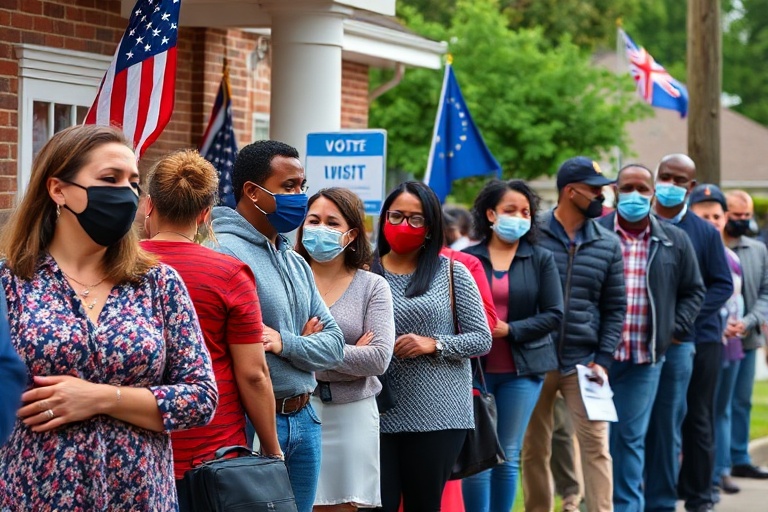
However, the political landscape in Tennessee is not static. Recent years have seen a gradual shift in voter engagement, particularly among younger and minority voters. Initiatives like voter registration drives and grassroots organizing have gained traction in Memphis, where Cohen’s campaign has worked to mobilize support. This evolving dynamic could play a crucial role in determining the outcome of his reelection bid.
Key Issues Shaping Cohen’s Campaign
Cohen’s reelection campaign is centered on a platform that addresses both local and national concerns. Among the key issues he has emphasized are economic development, healthcare access, and criminal justice reform. In Memphis, where poverty rates remain high, Cohen has advocated for federal investments in infrastructure and job creation. His support for expanding Medicaid under the Affordable Care Act also resonates with constituents who face barriers to healthcare.
The campaign has also focused on social justice, a cause that has gained momentum across the country. Cohen has been a vocal advocate for police reform and voting rights, aligning himself with broader Democratic priorities. These positions, while popular in Memphis, contrast sharply with the priorities of Tennessee’s Republican leadership, creating a stark divide between Cohen’s agenda and the state’s dominant political narrative.
To illustrate the breadth of Cohen’s platform, here are some of the core issues he has highlighted:
- Economic Development: Advocating for federal grants and partnerships to revitalize Memphis’ economy.
- Healthcare Access: Supporting Medicaid expansion and lowering prescription drug costs.
- Criminal Justice Reform: Pushing for bipartisan solutions to address systemic inequities.
- Social Justice: Championing voting rights and police accountability measures.
- Infrastructure Investment: Securing funding for roads, bridges, and public transit in Shelby County.
Challenges and Opposition
Despite his strong support in Memphis, Cohen faces significant challenges in his reelection bid. The Republican Party has made concerted efforts to unseat him, with national GOP groups funneling resources into the race. In 2022, Cohen defeated Republican challenger Charlotte Bergmann by a margin of 20 points, but the margin of victory has narrowed in recent years, signaling growing Republican competitiveness in the district.
Opponents have criticized Cohen for his progressive stances, particularly on issues like immigration and social policies. Critics argue that his positions are out of touch with Tennessee’s conservative values, while supporters praise his commitment to equity and justice. The race is further complicated by redistricting efforts, which have reshaped the boundaries of Tennessee’s congressional districts and introduced new variables into the electoral equation.
The opposition’s strategy appears to focus on two fronts: mobilizing Republican voters in Shelby County and eroding Cohen’s support among independents. Polling data suggests that while Cohen remains the favorite, the race is closer than it has been in previous cycles. This uncertainty reflects the broader challenges Democrats face in maintaining their foothold in the South.
A Global Perspective on Cohen’s Reelection Bid
From a global standpoint, Cohen’s reelection bid offers insights into the evolving dynamics of American politics. Tennessee, often seen as a microcosm of broader national trends, reflects the tensions between urban and rural America. Cohen’s campaign highlights the importance of local representation in shaping national policy, particularly on issues like healthcare and social justice.
Internationally, Cohen’s advocacy for progressive policies has drawn attention from observers who view his reelection as a barometer for Democratic resilience in conservative states. His work on criminal justice reform, for example, aligns with global movements for equity and accountability, reinforcing the idea that local politics can have far-reaching implications.
The outcome of Cohen’s reelection bid could also influence the broader strategy of the Democratic Party. A victory would signal that urban centers in the South can serve as bastions of Democratic support, even in states dominated by Republicans. Conversely, a loss could prompt a reevaluation of the party’s approach to Southern politics, particularly in districts with diverse and progressive-leaning electorates.
Conclusion
Steve Cohen’s reelection bid in Tennessee is more than a local political contest—it is a reflection of the broader struggles and opportunities facing Democrats in the South. With Memphis as his stronghold and a platform that resonates with progressive values, Cohen remains a formidable candidate. However, the challenges posed by a determined Republican opposition and shifting electoral dynamics cannot be ignored.
As the campaign unfolds, the outcome will hinge on Cohen’s ability to mobilize his base while appealing to independents and undecided voters. The race also serves as a reminder of the critical role local representation plays in shaping national policy. For Democrats, Cohen’s success or failure could offer valuable lessons as they seek to expand their influence in conservative-leaning states.
Regardless of the outcome, Cohen’s campaign underscores the importance of fighting for representation in every corner of the country. In a political landscape often dominated by partisan divides, his bid for reelection is a testament to the power of local leadership in driving meaningful change.