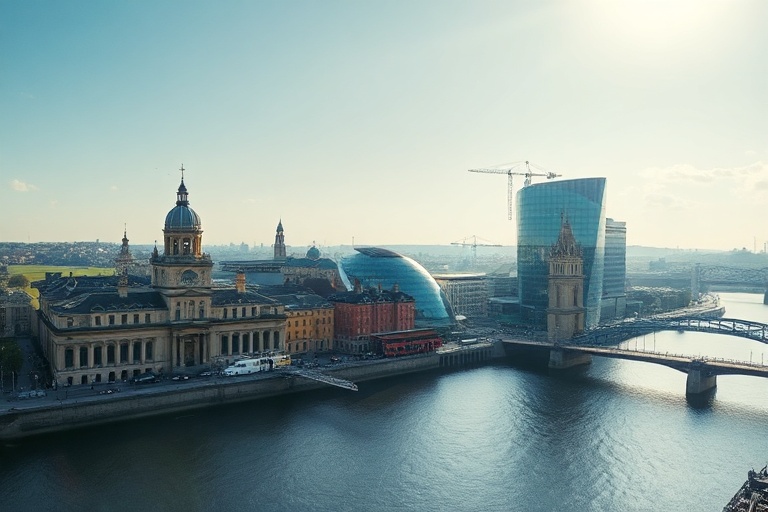
Two cities, separated by geography and history, yet both offering something unique to visitors and residents alike. Bath and Newcastle, though worlds apart in many ways, share a common thread: they are both destinations that leave a lasting impression. From their architectural heritage to their cultural scenes, these cities cater to different tastes and interests. But what exactly sets them apart, and what makes each one special in its own right?
The Architectural Contrast: Georgian Elegance Meets Industrial Heritage
Bath’s architecture is a masterclass in symmetry and proportion. The city’s Georgian townhouses, characterized by their honey-colored stone and white window frames, create a harmonious streetscape that feels almost frozen in time. The Royal Crescent and The Circus are prime examples of this architectural style, designed by John Wood the Elder and his son in the 18th century. These structures weren’t just homes; they were statements of wealth and sophistication, built during Bath’s heyday as a social hub for the elite.
Newcastle, on the other hand, tells a different story through its buildings. The city’s skyline is dominated by the imposing Newcastle Castle, which gave the city its name, and the modernist Grey Street, often cited as one of the finest streets in the UK. But it’s the juxtaposition of old and new that defines Newcastle’s architectural identity. The Baltic Flour Mills, now home to the Baltic Centre for Contemporary Art, and the Sage Gateshead, with its striking glass and steel design, stand as testaments to the city’s industrial past and its evolution into a cultural powerhouse.
Key Differences in Architectural Style
- Bath: Georgian symmetry, honey-colored stone, and meticulous urban planning.
- Newcastle: Medieval castles, industrial-era warehouses, and modernist public buildings.
- Materials: Bath favors limestone; Newcastle mixes sandstone with glass and steel.
- Purpose: Bath’s architecture was social and residential; Newcastle’s was functional and industrial.
Cultural Scenes: Museums, Music, and More
Bath’s cultural offerings are steeped in refinement. The city hosts the annual Bath Literature Festival and the Bath International Music Festival, attracting visitors who appreciate the arts in a setting that feels almost theatrical. The Roman Baths and the Jane Austen Centre further cement Bath’s reputation as a city of heritage and elegance. Even its modern cultural venues, like the Holburne Museum, maintain a sense of sophistication that aligns with the city’s historic image.
Newcastle, meanwhile, pulses with a raw, energetic vibe. The city’s music scene is legendary, having given the world acts like Dire Straits and Maxïmo Park. Venues like the O2 Academy and the Sage Gateshead draw crowds for everything from indie gigs to classical performances. Newcastle’s art scene is equally dynamic, with the BALTIC Centre for Contemporary Art leading the charge. The city’s museums, such as the Laing Art Gallery and the Discovery Museum, reflect its industrial roots while embracing contemporary creativity.
Cultural Highlights Comparison
- Bath:
- Roman Baths and Pump Room
- Bath Literature Festival
- Holburne Museum
- Jane Austen Centre
- Newcastle:
- BALTIC Centre for Contemporary Art
- Sage Gateshead
- Discovery Museum
- O2 Academy music venue
Lifestyle and Atmosphere: Relaxation vs. Vibrancy
Bath exudes a sense of tranquility. The city’s natural hot springs, which have drawn visitors for thousands of years, contribute to its reputation as a place of relaxation and rejuvenation. The Thermae Bath Spa, the UK’s only natural thermal spa, offers a modern take on this ancient tradition. The city’s café culture is equally laid-back, with independent shops and tea rooms dotting the streets. Even the pace of life feels slower, as if the city itself is urging visitors to unwind.
Newcastle, by contrast, is all about energy. The Quayside area, with its bars, restaurants, and nightlife, buzzes with activity well into the night. The city’s nightlife is diverse, ranging from traditional pubs in The Bigg Market to trendy cocktail bars in the Ouseburn Valley. The Geordie culture is warm and welcoming, with a strong sense of community that’s evident in everything from the local football scene to the city’s many festivals. Whether it’s the Great North Run or the Newcastle Mela, the city knows how to celebrate.
Broader Implications: What These Cities Represent
The contrast between Bath and Newcastle highlights the diversity of urban experiences in the UK. Bath represents a city that has preserved its heritage while carefully curating its cultural offerings to appeal to a niche, affluent audience. Its economy thrives on tourism, luxury goods, and a high-end service industry. The city’s strict planning laws ensure that its historic character remains intact, but this also means that housing affordability is a growing concern.
Newcastle, meanwhile, embodies the resilience of post-industrial cities. Once the heart of the coal and shipbuilding industries, Newcastle has reinvented itself as a cultural and educational hub. Its universities attract students from around the world, contributing to a young, diverse population. The city’s economic growth is driven by sectors like digital technology, healthcare, and creative industries. Yet, challenges remain, particularly in addressing deprivation in certain areas and ensuring that the benefits of regeneration are felt by all residents.
These cities also reflect broader societal trends. Bath’s focus on heritage and luxury mirrors the UK’s growing interest in experiential tourism and nostalgia. Newcastle’s emphasis on culture and community aligns with the rise of “creative cities” as engines of economic growth. Both models offer valuable lessons for urban planners and policymakers looking to balance preservation with innovation.
Conclusion: Which City Speaks to You?
Choosing between Bath and Newcastle isn’t about picking a winner; it’s about recognizing what each city offers and what you seek in a destination. If you’re drawn to elegance, history, and a slower pace of life, Bath will captivate you. Its architecture, cultural scene, and natural hot springs create an atmosphere of timeless beauty. On the other hand, if you crave energy, creativity, and a sense of community, Newcastle’s vibrant streets and dynamic cultural offerings will leave you inspired.
Ultimately, both cities prove that the UK’s urban landscape is rich and varied. Whether you’re a history buff, a culture vulture, or simply someone looking for a great weekend getaway, Bath and Newcastle have something to offer. The key is to embrace what makes each city unique and let that guide your experience.
For more insights into UK cities and their cultural scenes, explore our Travel and Culture sections on Dave’s Locker.