Few sporting events in Scotland carry the weight of history, local pride, and sheer unpredictability like a Hibernian Football Club game. The Easter Road faithful gather not just to watch 22 players chase a ball, but to witness a tradition that stretches back to 1875. A Hibs game isn’t merely a fixture in the calendar—it’s a cultural touchstone, a weekly ritual for thousands, and a stage where ambition collides with the harsh realities of modern football.
What makes a Hibs game different from other matches in the Scottish Premiership? The answer lies in the club’s unique identity, its relationship with the community, and the emotional rollercoaster that unfolds every time the referee blows the whistle. This isn’t just about football. It’s about identity, resilience, and the unbreakable bond between a club and its city.
The Psychology Behind the Passion: Why Fans Care So Much
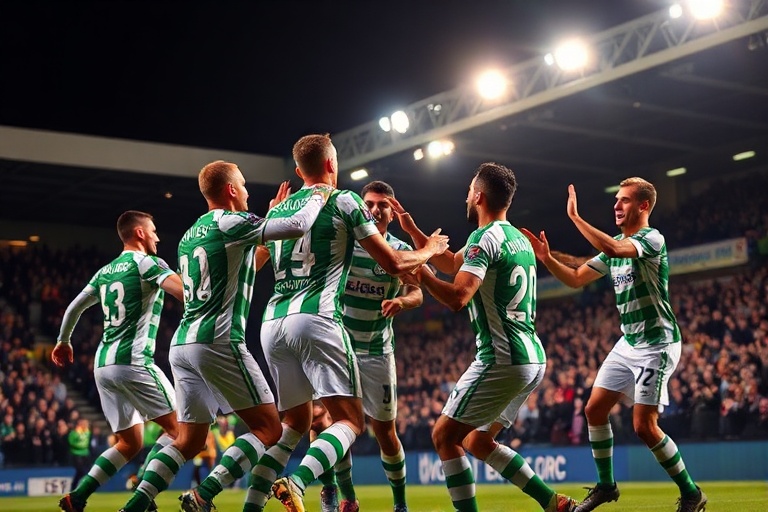
Hibernian FC was founded by Irish immigrants in Edinburgh, and its roots run deep in the working-class communities of Leith and beyond. That heritage isn’t just celebrated—it’s lived. For many supporters, attending a Hibs game is a form of belonging, a weekly affirmation of who they are. The club’s green and white stripes aren’t just colours; they’re a statement of pride, defiance, and continuity.
Psychologists and sociologists have long studied the phenomenon of sports fandom, but Hibs supporters offer a case study in emotional investment. The highs of promotion, cup runs, or dramatic last-minute winners are amplified by the lows of relegation battles, managerial changes, and financial uncertainty. The rollercoaster isn’t just part of the entertainment—it’s part of the identity.
This psychological attachment has broader implications. Studies show that strong community-based football clubs can act as social stabilisers, reducing isolation and fostering civic pride. Hibs’ commitment to community ownership since 2014 has only strengthened this bond. Fans aren’t just spectators; they’re stakeholders, investors, and voices in the club’s direction.
Key Moments That Define Modern Hibs Football
Over the past decade, Hibs have experienced everything from near-misses in European competitions to heartbreaking playoff defeats. These moments shape how supporters view their team’s progress and influence recruitment, fan morale, and even ticket sales. Here are some defining games and seasons:
- 2016 Scottish Cup Final: Hibs defeated Rangers 3-2 in a thrilling final, ending a 114-year wait for a major trophy. The victory was celebrated not just as a footballing achievement, but as a triumph of the club’s values over financial might.
- 2018 Premiership Playoff: After finishing third in the Premiership, Hibs faced Dundee United in a playoff that went to extra time and penalties. A 2-1 aggregate defeat dashed promotion hopes and led to managerial upheaval.
- 2021 Premiership Survival: With a new manager and a reshaped squad, Hibs avoided relegation on the final day of the season, securing safety with a 1-0 win over St Mirren thanks to a last-minute goal.
- 2023 League Cup Run: A surprise run to the League Cup semi-finals, including a 4-1 win over Celtic, reignited hopes of challenging for silverware under manager Shaun Maloney.
Each of these moments wasn’t just a result—it was a narrative that supporters internalised, debated, and carried forward. They shaped expectations, fuelled optimism, or, in some cases, hardened realism about Hibs’ place in Scottish football.
The Broader Impact: What Hibs Mean to Scottish Football
Hibernian may not be one of Europe’s superclubs, but its influence extends far beyond Easter Road. The club’s commitment to youth development has produced talents like Scott Allan, John McGinn, and Josh Doig—players who have gone on to represent Scotland and play in top European leagues. Hibs’ academy isn’t just a pipeline; it’s a statement about the club’s long-term vision in a football landscape dominated by financial power.
Financially, Hibs operate on a leaner budget than many rivals. They’ve never been bankrolled by billionaires or sovereign wealth funds. Their approach—spending wisely, nurturing local talent, and building a sustainable model—has drawn attention from academics and analysts studying football governance. In an era where financial fair play rules are routinely bent and clubs are bought as assets, Hibs stand as a rare example of fiscal responsibility.
Socially, the club’s community trust runs programmes that engage over 10,000 young people annually across Edinburgh and East Lothian. From school coaching to mental health initiatives, Hibs aren’t just a football club—they’re a social institution. This broader role gives the club a legitimacy that transcends results on the pitch.
The Future: Can Hibs Challenge for Titles or Settle for Stability?
The question facing Hibs isn’t just about the next manager or signing. It’s about ambition versus pragmatism. Can a club of Hibs’ size and resources realistically compete for the Premiership title in the next five years? Or is their future one of steady progress, European nights, and occasional cup heroics?
To answer that, we need to look at the changing dynamics of Scottish football. The rise of Celtic and Rangers as dominant forces is well-documented, but the gap isn’t unbridgeable. Hibs have shown they can beat both teams on their day. The challenge lies in consistency. The club’s recent investment in analytics and recruitment processes suggests a modern mindset, but football remains unpredictable.
One thing is certain: Hibs will continue to matter. Not just as a team, but as a symbol. Whether they’re battling relegation or pushing for a top-four finish, their games will always be more than 90 minutes of football. They’ll be a weekly reminder of what football can—and should—be: rooted in community, driven by passion, and unafraid to dream.
For now, the focus is on the next game. But the story of Hibs transcends the final whistle. It’s a story of resilience, identity, and the enduring power of belief.
And that’s why, when Hibs take the field, the city listens.
For more insight into Scottish football’s broader trends and club dynamics, visit our Sports and Analysis sections.