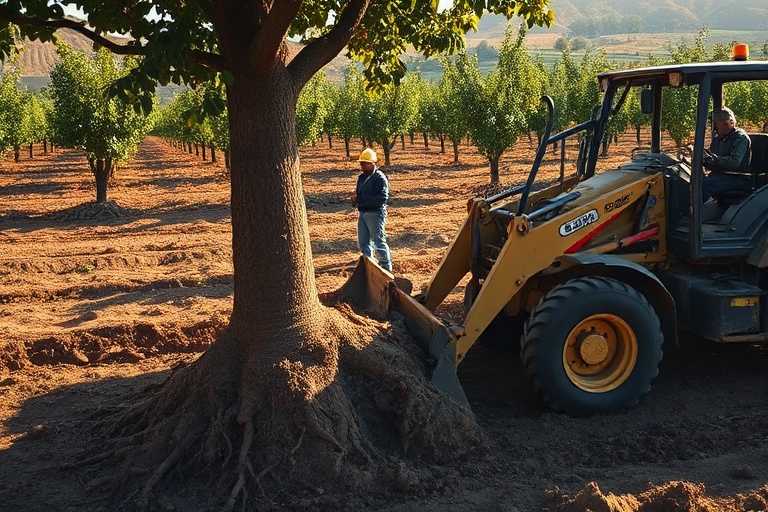
California Peach Tree Removal: Costs, Reasons & Alternatives
The sight of a peach tree heavy with fruit is a quintessential California image—until it isn’t. Across the state, homeowners, farmers, and municipalities are making the difficult decision to remove peach trees, whether for financial, ecological, or practical reasons. This trend reflects broader shifts in agriculture, water management, and urban development. While peach trees have long been a staple in California’s orchards, their removal is becoming more common as land use priorities evolve.
The Rising Trend of Peach Tree Removal in California
California produces over 70% of the nation’s peaches, yet the number of peach trees in the state has declined by approximately 12% over the past decade, according to the USDA. This reduction is driven by several converging factors. First, water scarcity has made it increasingly difficult to sustain orchards, especially in regions like the Central Valley where water rights are fiercely contested. Second, labor costs have risen sharply, making peach farming less profitable for small and mid-sized growers. Third, shifting consumer preferences have reduced demand for certain peach varieties, prompting growers to switch to more lucrative crops like almonds or pistachios. As a result, removal services for peach trees have become a growing niche within the state’s landscaping and agricultural industries.
Urban areas are also seeing more peach tree removals. In cities like Los Angeles and Sacramento, aging peach trees on residential properties are often removed due to disease, root intrusion, or the desire to replant with drought-tolerant species. Municipal programs, such as Sacramento’s tree replacement initiative, actively encourage the removal of water-intensive trees in favor of native or low-water alternatives.
Common Reasons for Removing Peach Trees
While the decision to remove a peach tree is never easy, it is often necessary for practical and financial reasons. Below are some of the most frequent motivations:
- Water conservation: Peach trees require significant irrigation, particularly during California’s dry summers. With water restrictions tightening, many property owners opt to remove them in favor of drought-resistant species.
- Disease and pest infestation: Peach trees are susceptible to fungal diseases like leaf curl and pests such as peach tree borers. Infestations can spread quickly, making removal the most cost-effective solution.
- Aging and declining yield: Peach trees typically produce fruit for 10–15 years. After that period, their yield drops significantly, making them less viable for commercial growers and more of a maintenance burden for homeowners.
- Urban development and land use changes: As cities expand, peach orchards and backyard trees are often cleared to make way for housing, retail, or infrastructure projects.
The Environmental and Economic Impact
The removal of peach trees carries both ecological and economic consequences. On one hand, reducing water usage and replacing non-native species with drought-tolerant plants can contribute to sustainability goals. On the other hand, the loss of peach orchards impacts local economies, particularly in rural communities where agriculture is a primary industry. The Central Valley, for example, has seen job losses in farming and related sectors as orchards are converted or abandoned.
Environmental groups point out that monoculture farming, including peach orchards, can deplete soil health and reduce biodiversity. However, the sudden removal of large numbers of trees can also lead to soil erosion and loss of habitat for pollinators like bees, which rely on fruit trees for nectar. This creates a complex balance between conservation and economic survival for farmers.
For urban areas, the removal of peach trees is often framed as a step toward climate resilience. Cities like San Diego have incentivized homeowners to replace fruit trees with native species that require less water and support local ecosystems. Yet, this shift also erases cultural landscapes—backyard orchards that have been part of California’s identity for generations.
Alternatives to Peach Tree Removal
Before deciding to remove a peach tree, it’s worth exploring whether alternatives could extend its life or reduce its impact. For homeowners, pruning and proper maintenance can often revive a struggling tree. Fungicide treatments and soil amendments may help combat disease, while mulching and efficient irrigation systems can reduce water consumption. In some cases, grafting new peach varieties onto existing rootstocks can rejuvenate an orchard without starting from scratch.
For commercial growers, transitioning to more sustainable varieties or adopting precision agriculture techniques can improve profitability without full removal. Some farmers are experimenting with high-density planting or organic farming methods to offset rising costs. Others are diversifying their crops, integrating peaches with less water-dependent plants like lavender or herbs.
Another option is to repurpose the land rather than remove the tree outright. Agroforestry, which combines fruit trees with other crops or livestock, can create a more resilient and productive system. For example, integrating peach trees with nitrogen-fixing plants can improve soil health while maintaining some level of fruit production.
What to Consider Before Removing a Peach Tree
If removal is the only viable option, there are several steps to take to ensure the process is done responsibly and legally. First, check local regulations regarding tree removal, especially if the tree is large or located in a protected area. Some cities require permits or offer rebates for removing water-intensive trees. Second, consider whether the tree can be transplanted rather than cut down—a service offered by some specialty nurseries. Third, plan for the disposal of the tree. Wood from peach trees can be repurposed into mulch or firewood, but it should be properly treated to prevent the spread of disease.
For those replacing the tree, selecting a drought-tolerant or native species is often the most sustainable choice. Options like olive trees, manzanita, or California sycamore require far less water and support local wildlife. Homeowners should also consult with an arborist to assess soil conditions and long-term viability before planting.
The decision to remove a peach tree is rarely simple, but it is one that more Californians are facing as the state adapts to a changing climate and economic landscape. Whether driven by necessity or sustainability, the trend reflects deeper shifts in how we value—and manage—our natural resources.
For those interested in the broader implications of agricultural changes in California, explore our Agriculture and Environment sections for more insights.