Exploring the history, cultural significance, and modern evolution of Celtic Park in Glasgow.
The Origins and Historical Significance of Celtic Park
Celtic Park, affectionately known as “Parkhead” by locals, stands as more than just a stadium. It is the spiritual home of Celtic Football Club, a symbol of resilience, and a testament to the club’s deep-rooted connection with Glasgow’s working-class communities. Founded in 1887, Celtic has always been more than a football team; it was—and remains—a movement that transcended sport, providing hope and unity during some of the city’s toughest eras.
The original Celtic Park opened in 1888 in the Parkhead area of Glasgow, a neighborhood synonymous with industrial labor and immigrant communities. The stadium’s early years were marked by rapid growth, both in terms of attendance and ambition. By the early 20th century, Celtic Park had become one of the largest football grounds in Britain, hosting over 100,000 fans during its peak. The stadium’s design reflected the era’s practical needs, with terraces built to accommodate the working-class supporters who traveled from across Glasgow and beyond.
Despite financial struggles and the challenges of maintaining a historic venue, Celtic Park has undergone significant transformations. The most notable came in the 1990s, when the club embarked on a redevelopment plan to modernize the stadium while preserving its heritage. The result was a state-of-the-art venue that now holds over 60,000 spectators, making it the largest football stadium in Scotland and one of the most iconic in Europe.
The Architectural Evolution and Fan Experience
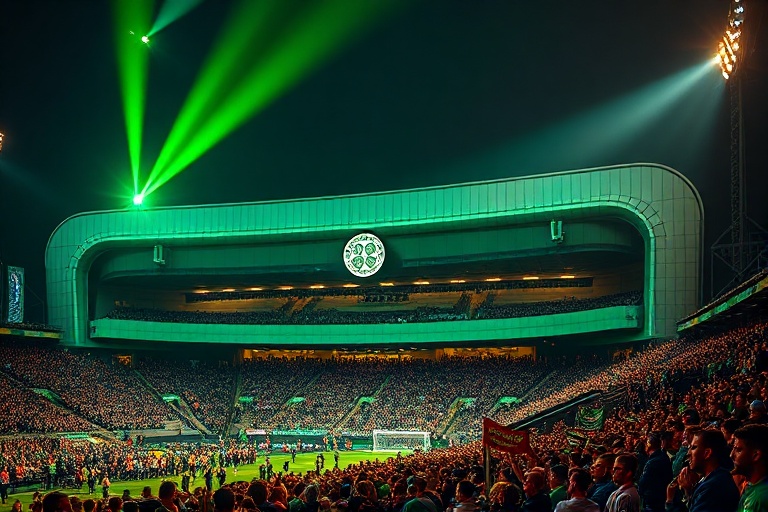
The modern Celtic Park is a blend of tradition and innovation. The stadium’s four main stands—The Celtic End, The Lisbon Lions Stand, The Main Stand, and The North Stand—each tell a story. The Main Stand, completed in 1998, is a marvel of contemporary design, featuring a sweeping roof that covers the entire seating area and a facade that pays homage to the club’s Victorian roots. The North Stand, added in 2000, is one of the most striking features, with its distinctive curved roof and capacity for nearly 27,000 fans.
For supporters, Celtic Park offers an experience that goes beyond the matchday action. The stadium’s layout ensures that no fan is far from the action, creating an intimate atmosphere even in a large venue. The Celtic End, where the most vocal supporters gather, is particularly famous for its electric atmosphere. During European nights, the stadium comes alive with chants, drums, and the roar of 60,000 voices, making it one of the most intimidating places for visiting teams.
Beyond the stands, Celtic Park has integrated modern amenities without sacrificing its historic character. The stadium’s concourses are spacious, offering a range of food and beverage options, including local favorites like haggis rolls and Irn-Bru. The club has also prioritized accessibility, ensuring that the stadium is welcoming to fans of all ages and abilities. The redevelopment has not only enhanced the fan experience but also cemented Celtic Park’s reputation as a venue capable of hosting major international events, including UEFA competitions.
The Broader Cultural and Economic Impact
Celtic Park’s influence extends far beyond the pitch. As the largest football stadium in Scotland, it plays a crucial role in the city’s economy. Matchdays inject millions into Glasgow’s local businesses, from pubs and restaurants to public transportation and retail. The stadium’s location in the East End of Glasgow has also contributed to the area’s regeneration, attracting investment and tourism. Visitors from around the world come to experience Celtic Park, drawn by its reputation as a must-see sporting venue.
Culturally, Celtic Park is a symbol of identity for many in Glasgow. For the Catholic and Irish immigrant communities who founded the club, Celtic Park was—and remains—a place of pride and belonging. The stadium has witnessed countless historic moments, from the club’s European Cup triumph in 1967 to the countless domestic trophies that have adorned its trophy cabinet. These achievements have contributed to a sense of collective identity, with Celtic fans often referring to themselves as part of a global family.
The stadium also serves as a stage for social and political expression. Celtic’s history is intertwined with the struggle for workers’ rights, civil liberties, and anti-sectarianism. The club’s commitment to social justice has been reflected in its support for various causes, from anti-racism campaigns to community outreach programs. Celtic Park, therefore, is not just a place for football; it is a platform for positive change.
Key Aspects of Celtic Park’s Cultural and Economic Role
- Economic Driver: Generates significant revenue for Glasgow’s local economy through tourism, hospitality, and retail.
- Community Hub: Serves as a gathering place for fans, fostering a sense of belonging and shared identity.
- Social Justice Platform: Provides a stage for activism and awareness campaigns aligned with the club’s values.
- Tourist Attraction: Attracts visitors from around the world, contributing to Glasgow’s status as a cultural and sporting destination.
The Future: Challenges and Opportunities
As Celtic Football Club looks to the future, Celtic Park faces both challenges and opportunities. One of the most pressing issues is the need to modernize the stadium further while preserving its historic character. The club has explored various options, including expanding capacity or incorporating new technologies to enhance the fan experience. However, any changes must balance innovation with tradition, ensuring that the stadium remains true to its roots.
Another challenge is the evolving nature of football stadiums. Modern venues are expected to offer more than just seating; they must provide immersive experiences, sustainability features, and cutting-edge facilities. Celtic Park has made strides in sustainability, with initiatives such as solar panels and waste reduction programs. The club has also invested in digital innovation, including augmented reality experiences for fans and enhanced connectivity within the stadium.
Looking ahead, Celtic Park is poised to remain a cornerstone of Scottish football. The club’s continued success on the pitch, combined with its global fanbase, ensures that the stadium will remain a vibrant and relevant venue. Whether it’s through hosting major tournaments, welcoming new generations of supporters, or continuing its tradition of social activism, Celtic Park is more than just a stadium—it is a living, breathing entity that reflects the soul of Glasgow.
Celtic Park is more than a football stadium; it is a symbol of resilience, community, and cultural identity. As it continues to evolve, it will undoubtedly play a pivotal role in shaping the future of both Celtic Football Club and the city of Glasgow.
Further Reading
For more insights into Celtic Football Club and its historic stadium, explore these related articles: