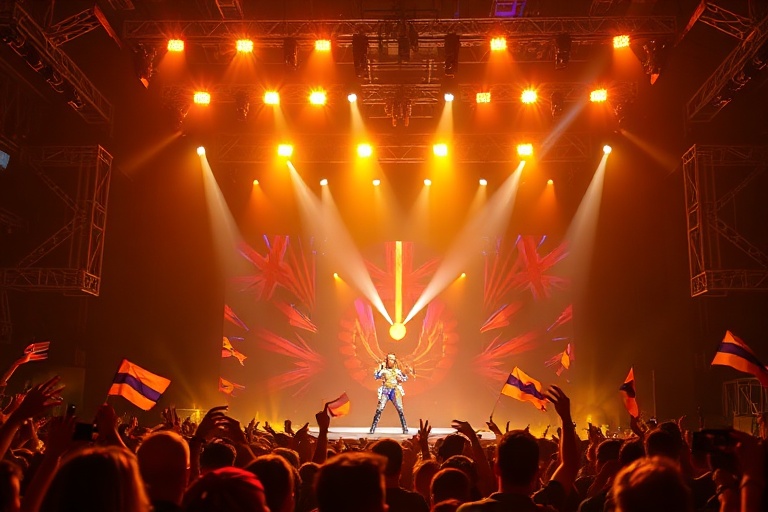
The countdown to Eurovision 2026 has already begun, and for British fans, the anticipation is building around the selection of the UK’s next entry. With the 2025 contest still fresh in memory, the focus has shifted to how the UK will approach its Eurovision strategy for the upcoming year. The BBC’s process for selecting the 2026 representative remains a subject of speculation, but early discussions suggest a blend of established names and fresh talent could be in the running.
Historically, the UK’s Eurovision entries have swung between pop powerhouses and underdog hopefuls. The 2025 performance, while well-received, did not secure the top spot, prompting questions about whether a change in direction is needed. Industry insiders suggest the BBC may prioritize a performance that resonates both on the Eurovision stage and in the UK charts, balancing artistic ambition with mass appeal.
How the UK Selects Its Eurovision Entry
The BBC has not yet confirmed the full selection process for 2026, but past years offer clues. Typically, the broadcaster uses a combination of internal selections and public votes to determine the representative. In recent years, the UK has experimented with formats like Eurovision: You Decide, which allowed viewers to influence the outcome. Whether this approach will continue remains uncertain.
Key factors influencing the selection often include:
- Vocal ability: Strong live performances are non-negotiable for a competitive Eurovision entry.
- Stage presence: Eurovision thrives on spectacle, so performers who can command attention visually are favored.
- Song quality: The track must stand out in a crowded field of entries, often requiring a balance of catchiness and originality.
- Public appeal: The BBC aims for an entry that bridges the gap between Eurovision’s niche audience and mainstream UK listeners.
- International potential: While not always a guarantee of success, songs with cross-border appeal tend to fare better in the competition.
Rumors suggest the BBC may once again lean on a televised selection show, though internal shortlisting could play a bigger role this time. Industry analysts note that the UK’s recent performances have lacked the kind of bold, innovative staging that often wins over juries and audiences alike.
The Broader Implications for the UK in Eurovision
Eurovision is more than just a music competition; it’s a cultural and diplomatic platform where nations showcase their creativity and soft power. For the UK, participation in Eurovision carries unique challenges and opportunities. The country’s absence from the top ten in recent years has sparked debates about the relevance of its entries and the effectiveness of its selection strategy.
One argument gaining traction is that the UK should embrace a more experimental approach. The 2025 entry, while polished, followed a familiar formula that didn’t disrupt the competition’s dynamics. Eurovision thrives on innovation, and some insiders believe the UK’s best chance lies in taking risks—whether through genre-blending music, avant-garde staging, or unexpected collaborations.
Another consideration is the role of social media. Eurovision’s voting system has evolved, with online fan engagement playing an increasingly significant role in shaping public perception. The UK’s entry for 2026 will need to generate buzz not just during the contest but in the months leading up to it. This could mean leveraging platforms like TikTok to build anticipation or partnering with influencers to amplify reach.
The BBC’s relationship with the European Broadcasting Union (EBU) also adds another layer of complexity. While the UK remains a participant despite its departure from the European Union, political tensions occasionally influence Eurovision’s atmosphere. The UK’s entry must navigate this landscape carefully, ensuring it doesn’t become entangled in broader geopolitical narratives.
Potential Contenders and Fan Speculation
As of now, no confirmed names have emerged for the 2026 UK entry, but speculation is rife. Industry watchers have floated a mix of established acts and rising stars who could bring fresh energy to the competition. Here are some of the names circulating in fan circles and music media:
- Olivia Dean: A soulful singer-songwriter with a growing fanbase, Dean’s vocal prowess and genre-fluid sound could make her a compelling choice.
- Nia Archives: Known for her boundary-pushing electronic music, Archives could bring an avant-garde edge to the UK’s Eurovision bid.
- Tom Grennan: With his soulful, anthemic style, Grennan has the vocal chops and stage presence to deliver a strong performance.
- Self Esteem: The indie-pop band’s witty lyrics and energetic live shows make them a wildcard contender.
- Måneskin’s influence: Following the Italian rock band’s 2021 victory, some speculate the UK could turn to a similarly edgy, guitar-driven act.
Fan polls and social media trends also highlight grassroots favorites like Chloe Moriondo and Beabadoobee, whose indie-pop sensibilities align with modern Eurovision tastes. However, the BBC may ultimately prioritize artists with a proven track record of delivering high-energy performances.
The broadcaster’s decision could also hinge on timing. With the 2025 contest barely behind us, the BBC may opt for a swift announcement to capitalize on post-contest momentum. Alternatively, a longer selection process could allow for more strategic planning, particularly if the goal is to craft a performance that stands out visually and sonically.
What’s Next for the UK in Eurovision?
The selection of the 2026 UK entry will be closely watched, not just by fans but by industry analysts who see Eurovision as a barometer for the country’s cultural influence. The BBC faces a delicate balance: honoring Eurovision’s traditions while pushing boundaries to secure a top-tier finish.
One thing is clear: the UK cannot afford to rest on its laurels. The competition grows more sophisticated each year, with countries like Sweden, Finland, and Australia investing heavily in their entries. For the UK to reassert itself as a Eurovision force, it will need to prioritize innovation, authenticity, and a willingness to take bold creative risks.
As the months unfold, all eyes will be on the BBC’s announcement. Will the UK double down on a familiar formula, or will it embrace a new direction? One thing is certain—the stakes have never been higher, and the pressure is on to deliver a performance that captivates audiences and critics alike.
For fans eager to stay updated, keeping an eye on Dave’s Locker Music and Entertainment sections will provide the latest insights and analysis as the selection process unfolds.
The journey to Eurovision 2026 has only just begun, and the UK’s next representative will play a pivotal role in shaping the country’s future in the competition. Whether through a star-studded selection show or a surprise internal pick, the anticipation is building—and the countdown is on.