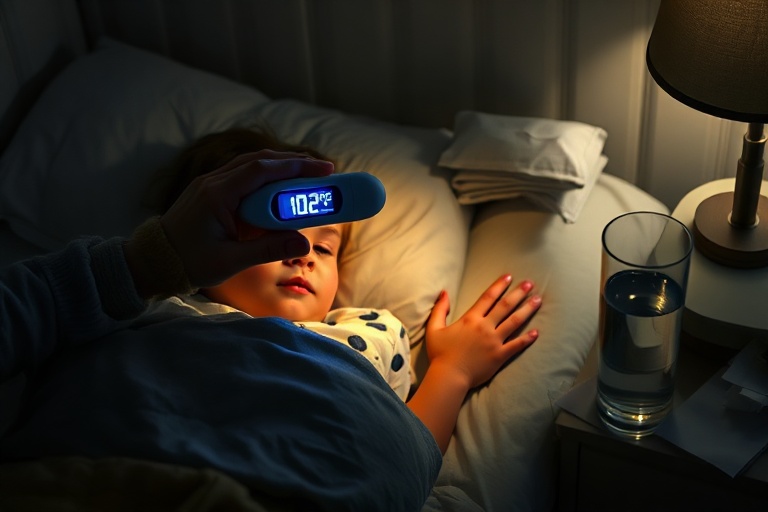
fever schedule
Fever is one of the body’s most universal yet misunderstood responses to illness. While the symptom itself is consistent across cultures, the approach to managing it varies widely. From traditional remedies in Southeast Asia to modern pharmaceutical protocols in Western medicine, fever schedules reflect broader attitudes toward health, time, and community well-being.
In many parts of the world, fever is not just a biological event but a social marker. Families adjust daily routines, schools delay exams, and workplaces allow flexible hours when someone runs a temperature. These responses are often shaped by local beliefs about illness and recovery. Understanding these patterns offers insight into how different societies balance health, productivity, and cultural norms.
The Science Behind Fever: Why It Matters
Fever is a temporary rise in body temperature, typically triggered by infection or inflammation. The hypothalamus, the body’s temperature regulator, resets to a higher set point when immune cells release pyrogens. This rise in temperature can enhance immune function, making it harder for pathogens to survive.
Yet fever is often seen as something to suppress immediately. In Western medical practice, antipyretics like acetaminophen or ibuprofen are routinely administered at the first sign of elevated temperature. This approach prioritizes comfort and productivity, especially in work and school settings. But is this always the best course of action?
Research suggests that fever plays a beneficial role in fighting infection. Some studies indicate that allowing a mild fever to run its course may shorten illness duration and improve immune response. However, high or prolonged fevers—especially in vulnerable populations like infants, the elderly, or those with chronic conditions—can pose risks and require intervention.
Balancing these factors has led to the development of fever management schedules that vary by region. In the United States and much of Europe, clinical guidelines often recommend monitoring temperature and treating only when it exceeds 100.4°F (38°C) in adults, or lower thresholds for children. In contrast, some traditional healing systems view fever as a natural process that should be allowed to complete its course unless severe.
A Global Look at Fever Management
Cultural attitudes toward fever shape how communities respond. In Japan, for example, attending school or work with a fever is strongly discouraged. The government enforces strict illness policies in schools, requiring students to stay home for at least 48 hours after a fever subsides. This reflects a collective responsibility toward public health, prioritizing community safety over individual convenience.
In India, fever management is often intertwined with Ayurvedic and homeopathic traditions. Many families use herbal teas, turmeric milk, or steam inhalation before turning to pharmaceuticals. Fever is sometimes seen as a way for the body to “burn off” toxins, and treatments aim to support this natural process. Hospital protocols, however, increasingly align with Western standards, especially in urban areas.
Across sub-Saharan Africa, fever is a leading cause of child mortality, often linked to malaria. Here, fever schedules are less about daily management and more about urgent intervention. Rapid diagnostic tests and artemisinin-based treatments are prioritized, with community health workers trained to identify fever early. In these contexts, fever is not just a symptom but a critical signal for life-saving care.
In Scandinavia, a different approach prevails. Parents are often encouraged to let mild fevers run their course, especially in children, as long as the child is hydrated and comfortable. This reflects a trust in the body’s natural healing mechanisms and a cultural emphasis on resilience.
- Japan: Strict isolation policies, high public health compliance
- India: Blend of traditional and modern medicine, herbal first-aid common
- Sub-Saharan Africa: Urgent treatment protocols due to malaria risk
- Scandinavia: “Let it ride” approach for mild fevers
Fever in the Workplace and School: Productivity vs. Health
One of the most visible expressions of fever culture is in institutional settings. Schools and offices often enforce “fever policies” that dictate when someone can return after illness. These policies are not just medical but deeply economic. A sick employee staying home costs productivity; a child returning too early may spread illness to classmates.
In the United States, the Centers for Disease Control and Prevention (CDC) recommends that individuals with a fever should stay home until they are fever-free for at least 24 hours without the use of fever-reducing medications. This policy aims to balance recovery with public health. Yet enforcement varies widely. Some employers offer paid sick leave, making it easier for workers to comply. Others, especially in service industries, pressure employees to return early.
In contrast, many European countries mandate paid sick leave by law. This reduces the incentive to work while ill and supports healthier recovery timelines. Studies show that countries with strong sick leave policies experience lower rates of illness transmission and faster overall recovery in the workforce.
Schools face similar challenges. In South Korea, for instance, students with fever are isolated and sent home immediately. Temperature checks are routine, especially during flu season. This reflects a cultural emphasis on academic performance and collective responsibility. In Brazil, school fever protocols are less rigid, with teachers often sending children home only if symptoms are severe.
The Role of Technology in Fever Tracking
The digital revolution has transformed how fever is monitored and managed. Wearable devices like smart thermometers and health trackers allow continuous temperature monitoring. Parents can now track their child’s fever patterns in real time, receiving alerts when readings spike. This data helps inform decisions about when to seek medical care.
Telemedicine platforms have also changed fever management. In the wake of the COVID-19 pandemic, virtual consultations became commonplace. Patients with fever symptoms can now consult doctors remotely, reducing unnecessary hospital visits and easing pressure on healthcare systems. In countries like Israel and Singapore, AI-powered symptom checkers help triage fever cases, guiding users toward appropriate care.
Yet technology brings new challenges. Over-reliance on apps can lead to unnecessary anxiety or delayed care. Some parents become hyper-focused on temperature readings, ignoring other symptoms like fatigue or dehydration. Others may overmedicate based on app alerts, disrupting the body’s natural healing process.
Despite these risks, digital tools offer unprecedented access to health information. In rural areas of Africa and Southeast Asia, mobile health platforms are bridging gaps in medical infrastructure. Fever tracking apps can send reminders to take medication, log symptoms over time, and even connect users with local health workers.
Conclusion: Toward a Balanced Fever Culture
Fever schedules are more than medical protocols—they are cultural artifacts. They reveal how societies prioritize health, productivity, and collective well-being. While science provides a foundation for understanding fever, culture shapes its interpretation and response.
Finding balance is key. Suppressing every fever can weaken immune resilience, while ignoring danger signs can lead to serious complications. The best approach combines evidence-based medicine with cultural sensitivity, allowing individuals to recover fully without undue social or economic pressure.
As global health systems evolve, fever management will continue to adapt. From traditional healers to AI-driven diagnostics, the tools may change, but the goal remains the same: to heal without harm, and to support recovery in a way that honors both the body and the community.
In the end, fever is not just a symptom. It is a dialogue between illness and healing, biology and culture, solitude and connection. How we listen to that dialogue may define not just our health, but our humanity.
Explore more health insights or cultural perspectives on Dave’s Locker.