How 5 Below Became a Retail Powerhouse for Young Shoppers
In an era where retail giants struggle to stay relevant, 5 Below has quietly built an empire by focusing on one simple idea: affordable fun. The discount retailer, which sells everything from toys to electronics for $5 or less, has become a staple in malls across America. Unlike traditional dollar stores, 5 Below targets tweens and teens with trendy, high-quality products they actually want.
Founded in 2002 by David Schlessinger and Jeff Fischer, 5 Below started as a single store in Wayne, Pennsylvania. Today, it operates over 1,200 locations nationwide and continues to expand. What sets 5 Below apart isn’t just its price point—it’s the carefully curated selection of merchandise that appeals to a demographic often overlooked by other retailers. The company’s success raises questions about shifting consumer habits and the future of brick-and-mortar retail.
Why 5 Below Works: The Psychology of Affordable Luxuries
At its core, 5 Below thrives on the impulse purchase. For $5 or less, customers can walk out with something they didn’t necessarily need—but definitely wanted. This strategy taps into the psychological principle of transactional utility, where the perceived value of a deal drives satisfaction beyond the product itself.
The retailer’s inventory is refreshed frequently, ensuring that repeat visitors always encounter something new. Seasonal items, exclusive collaborations, and limited-edition drops create a sense of urgency. Unlike big-box stores that prioritize bulk discounts, 5 Below makes shopping feel like a treasure hunt—one where every aisle could reveal the next must-have item.
Another key factor is accessibility. With locations in high-traffic malls and strip centers, 5 Below positions itself as a destination for young shoppers. Parents are more likely to approve a quick trip to 5 Below than a more expensive retailer, making it a family-friendly outing.
The Business Model Behind the Growth
5 Below’s business model is deceptively simple: sell low-priced, high-demand products in a controlled retail environment. But its execution is anything but basic. The company’s revenue streams break down into clear categories:
- Toys & Games: From fidget spinners to collectible figures, this remains the backbone of 5 Below’s sales.
- Electronics: Affordable gadgets like Bluetooth speakers and phone accessories attract older teens.
- Room Decor: Wall art, LED lights, and bedding appeal to Gen Z’s love of personalization.
- Sports & Outdoors: Jump ropes, frisbees, and water bottles cater to active lifestyles.
- Sweet & Snacks: A small but profitable section featuring candy and novelty treats.
The company’s supply chain is optimized for speed. By working directly with manufacturers in China and other low-cost regions, 5 Below keeps production costs low while maintaining quality. Its private-label brands also ensure higher profit margins compared to third-party vendors.
Financial reports highlight consistent growth. In 2023, 5 Below reported net sales of $1.2 billion, a 12% increase from the previous year. Comparable store sales rose by 8%, signaling strong customer retention. Unlike many retailers that struggle with inflation, 5 Below has managed to pass cost increases onto consumers without alienating its core audience.
The Broader Retail Landscape: Where Does 5 Below Fit In?
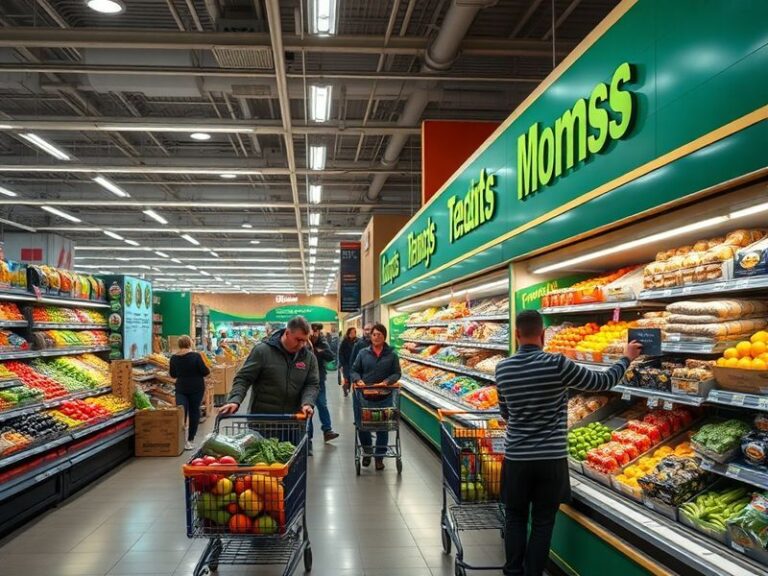
The rise of 5 Below reflects broader shifts in the retail industry. As e-commerce dominates, brick-and-mortar stores must offer experiences that online shopping can’t replicate. 5 Below succeeds by blending the tactile joy of in-store shopping with the thrill of discovery.
It also competes indirectly with other discount chains like Dollar Tree and Five Below’s larger rival, Five Below. However, 5 Below differentiates itself by avoiding the cheap, low-quality stigma associated with dollar stores. Instead, it positions itself as a retailer of affordable indulgences—products that feel special despite their low price.
This strategy has implications for the future of retail. As Gen Z and Gen Alpha become the dominant consumer groups, brands must adapt to their preferences for fast, fun, and visually appealing products. Stores that fail to innovate risk becoming obsolete, while those that embrace experiential retail—like 5 Below—stand to thrive.
What’s Next for 5 Below?
The company shows no signs of slowing down. Expansion plans include entering new markets, particularly in the Midwest and South, where mall culture remains strong. Digital integration is also on the horizon, with rumors of a revamped e-commerce platform to complement its physical stores.
However, challenges loom. Rising shipping costs and potential supply chain disruptions could squeeze margins. Additionally, as Gen Z’s spending power grows, 5 Below will need to evolve its product offerings to stay relevant. Will it introduce higher-priced items, or double down on its $5-and-under model?
One thing is certain: 5 Below has proven that discount retail isn’t just about cheap goods—it’s about understanding what consumers truly value. In a world of endless choices, the retailer’s ability to make shopping feel like an adventure keeps customers coming back.
For now, 5 Below remains a retail success story worth watching. As it continues to expand, its influence on the industry will only grow stronger.
Explore more about the toys and trends shaping today’s retail landscape in our Toys and Entertainment sections.