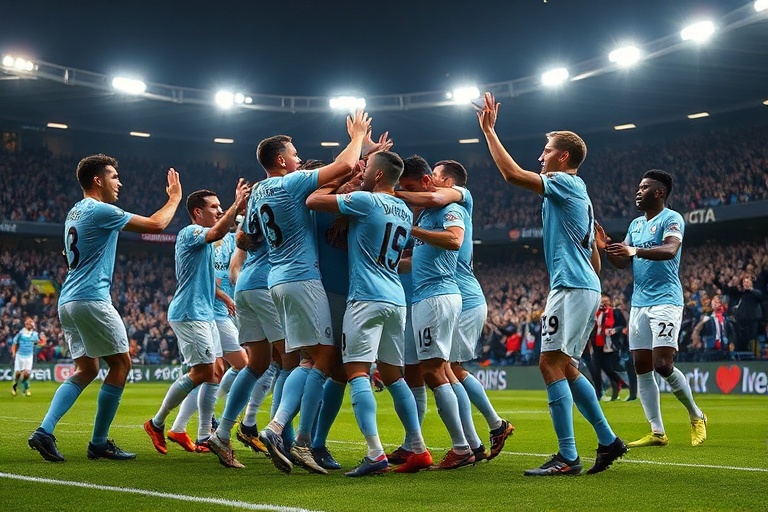
Manchester City’s FA Cup Dominance: A Global Football Phenomenon
Manchester City’s recent successes in the FA Cup have transcended domestic football, embedding the club’s name into the global sporting consciousness. While the Premier League often dominates international headlines, the FA Cup represents a unique blend of tradition, unpredictability, and raw emotion. For City, victory in this competition isn’t just about silverware; it’s a statement of resilience, tactical evolution, and cultural influence.
The club’s rise in the tournament mirrors broader trends in modern football, where financial power intersects with sporting ambition. Yet, unlike purely financial narratives, City’s FA Cup triumphs carry symbolic weight—they challenge the perception of English football as an unpredictable, working-class narrative. Instead, they present a model of consistency, where meticulous planning meets the thrill of knockout football.
The Evolution of City’s Cup Strategy
Manchester City’s journey in the FA Cup has been anything but linear. Early exits under former managers like Roberto Mancini and Manuel Pellegrini revealed a team more comfortable in structured league campaigns than the chaos of cup football. Pep Guardiola’s arrival in 2016 marked a turning point. His philosophy, rooted in possession and positional play, began to adapt to the demands of knockout football.
The 2019 FA Cup final victory over Watford—City’s first under Guardiola—wasn’t just a win; it was a statement. A 6-0 scoreline dismantled any doubts about the team’s ability to dominate in high-pressure scenarios. The performance showcased Guardiola’s tactical flexibility, blending his signature tiki-taka with direct, incisive attacking football when required.
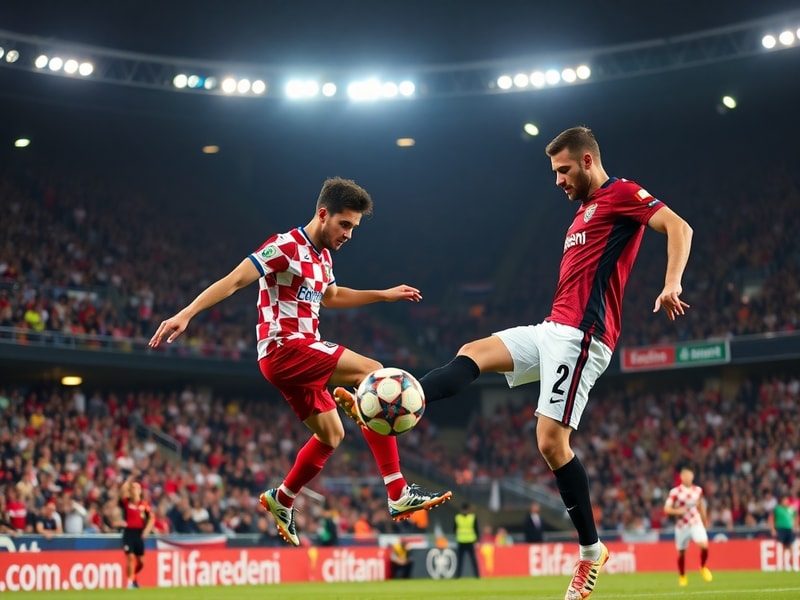
Since then, City has established itself as the competition’s most consistent modern force. Their 2023 triumph over Manchester United in the final was particularly symbolic, uniting the city under one banner while sending a message to rivals about their psychological edge in big games. The match wasn’t just a footballing event; it was a cultural moment, reflecting Manchester’s identity as a global footballing capital.
Cultural and Economic Ripples Beyond the Pitch
The FA Cup’s significance extends far beyond the 90 minutes on the field. For Manchester City, each victory generates ripple effects across global markets, fan engagement, and media narratives. The club’s 2023 triumph, for instance, saw a surge in social media engagement from fans in Asia, Africa, and the Americas—regions where City’s global brand has expanded aggressively in recent years.
Economically, FA Cup success translates into commercial opportunities. Sponsorship deals, merchandise sales, and tour revenue all benefit from heightened visibility. The competition’s historic prestige also allows City to position itself as a club with roots in tradition, despite its modern ownership and infrastructure. This duality—balancing innovation with tradition—has become a key part of the club’s global appeal.
A closer look at the demographics of City’s fanbase reveals fascinating trends. While Manchester United has historically relied on a broad, nostalgic following, City’s growth has been fueled by younger, digitally savvy audiences who engage with the club’s progressive brand. FA Cup victories serve as key touchpoints for this audience, reinforcing loyalty through shared triumphs.
Comparing City’s Cup Pedigree to Footballing Giants
To contextualize Manchester City’s FA Cup impact, it’s worth comparing their recent record to other footballing giants. Arsenal, with 14 FA Cup wins, remains the competition’s most decorated club. However, City’s modern dominance—four wins in six years—signals a shift in power dynamics.
A comparative analysis of recent winners highlights key trends:
- Tactical sophistication: City’s victories are often built on Guardiola’s adaptive systems, whereas past winners like Wigan Athletic (2013) relied on underdog narratives and resilience.
- Financial influence: City’s ability to invest in squad depth contrasts with clubs like Portsmouth (2008), whose cup run was powered by financial mismanagement and eventual collapse.
- Global reach: City’s post-match celebrations are broadcast to millions in regions like China and the Middle East, where football’s emotional appeal transcends club rivalries.
This evolution reflects broader changes in football, where financial power and sporting ambition increasingly dictate success. Yet, City’s FA Cup triumphs retain a sense of authenticity, rooted in their connection to Manchester’s working-class communities and their commitment to developing local talent alongside global stars.
The Future: Can City Sustain Their Cup Legacy?
The question now is whether Manchester City can sustain their FA Cup dominance in an era of intense competition. The introduction of the UEFA Champions League’s expanded format and the Premier League’s relentless schedule pose challenges. Guardiola’s future at the club also remains a topic of speculation, with potential departures looming on the horizon.
Yet, City’s infrastructure—from their state-of-the-art training facilities to their robust youth academy—suggests a model designed for longevity. The club’s ability to integrate academy graduates like Phil Foden and Rico Lewis into cup-winning squads highlights a sustainable approach to success.
Globally, the FA Cup’s prestige is likely to endure, but its role in the footballing hierarchy may evolve. For City, the competition remains a vital tool in their quest to dominate both domestically and internationally. Each victory reinforces their status as a club that transcends mere sporting success, becoming a cultural institution in its own right.
As football continues to globalize, Manchester City’s FA Cup triumphs serve as a reminder of the competition’s enduring appeal. They are more than just matches; they are moments that shape narratives, influence markets, and unite communities across continents. In an era where football is increasingly defined by financial might, City’s cup runs offer a compelling counterpoint—a blend of tradition, innovation, and relentless ambition.
For fans of the beautiful game, the FA Cup is still the oldest national football competition in the world. And for Manchester City, it’s becoming a stage where legends are made.
Explore More on Sports and Football Analysis
Manchester City’s FA Cup successes are part of a broader evolution in modern football. To dive deeper into tactical trends, global fan cultures, or the business of the sport, explore our Analysis section for expert insights and thought-provoking articles.