Moldova: Europe’s Hidden Gem of Culture and Opportunity
Nestled between Romania and Ukraine, Moldova is one of Europe’s smallest and least-visited countries, yet it offers a surprising depth of culture, history, and untapped potential. Often overshadowed by its larger neighbors, this landlocked nation boasts rolling vineyards, medieval monasteries, and a resilient spirit shaped by centuries of foreign rule. While it remains off the radar for most travelers, Moldova’s unique blend of Eastern European heritage and Soviet-era influences creates an intriguing destination for those willing to venture beyond the mainstream.
With a population of just 2.5 million, Moldova is one of the poorest countries in Europe, yet its challenges have fostered a strong sense of community and resourcefulness. The country declared independence from the Soviet Union in 1991, and since then, it has navigated a complex path between European integration and economic ties to Russia. This geopolitical balancing act continues to shape Moldova’s identity, economy, and international relations today.
The Cultural Tapestry of Moldova
Moldova’s cultural landscape is a fascinating fusion of Latin, Slavic, and Ottoman influences, reflecting its turbulent history. The official language is Romanian, a Romance language closely related to Italian, French, and Spanish. This linguistic connection to Latin Europe sets Moldova apart from its Slavic neighbors and underscores its historical ties to the Roman Empire, which once extended into the region.
The country’s cultural heritage is perhaps most vividly expressed through its folklore and traditional music. Moldovan folk music, characterized by the haunting melodies of the cobza (a lute-like instrument) and the fluier (a wooden flute), tells stories of love, loss, and resilience. These traditions are celebrated in festivals such as the Mărțișor, a spring festival marking the arrival of warmer weather, where women receive small red-and-white trinkets symbolizing good fortune.
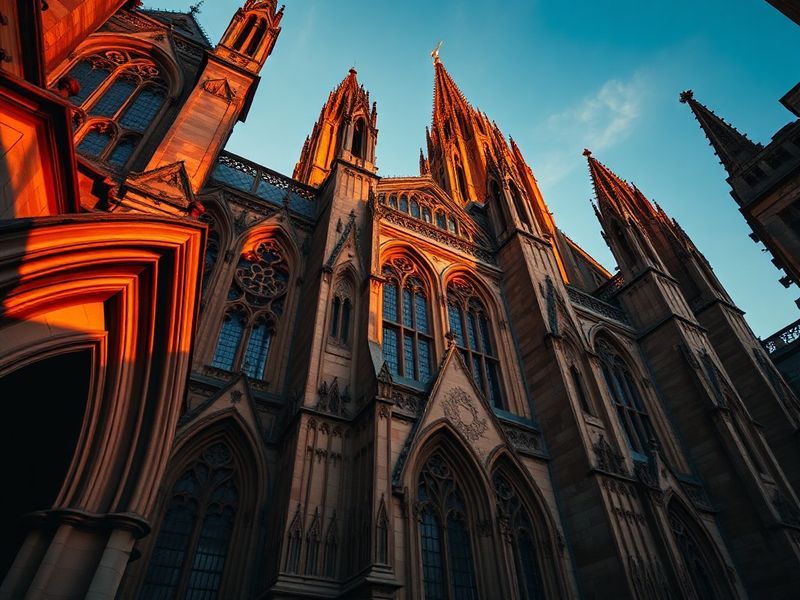
Moldova is also home to a wealth of religious sites, particularly its painted monasteries of Bucovina, which are UNESCO World Heritage sites. These 15th- and 16th-century monasteries feature vivid frescoes depicting biblical scenes, blending Byzantine art with local creativity. While technically located in neighboring Romania, their influence extends into Moldova, reflecting the shared cultural and religious history of the region.
Economic Challenges and Opportunities
Despite its cultural richness, Moldova faces significant economic hurdles. The country’s economy relies heavily on agriculture, with wine production being a major industry. Moldova is the world’s 12th-largest wine exporter, and its vineyards stretch across rolling hills in the central and southern regions. The country’s signature wines, such as Negru de Purcari and Fetească Neagră, have gained international recognition, attracting connoisseurs from around the globe.
However, Moldova’s economic growth is constrained by political instability, corruption, and dependence on remittances from Moldovans working abroad. The country has made strides in recent years to combat these issues, with reforms aimed at improving governance and attracting foreign investment. The European Union remains Moldova’s largest trading partner, and the country has benefited from EU funding programs designed to modernize infrastructure and support small businesses.
One of Moldova’s most promising sectors is information technology. The government has prioritized IT as a key driver of economic growth, offering tax incentives to tech companies and investing in digital infrastructure. Cities like Chișinău, the capital, are emerging as regional hubs for software development, with a growing number of startups and outsourcing firms catering to international clients. This shift toward a knowledge-based economy could help Moldova reduce its reliance on traditional industries and create new opportunities for its workforce.
Politics and Geopolitical Tensions
Moldova’s political landscape is marked by a delicate balance between pro-Western and pro-Russian factions. The country’s breakaway region of Transnistria, located on the eastern bank of the Dniester River, has been under de facto Russian control since a 1992 conflict. This frozen conflict continues to strain Moldova’s relations with Russia and complicates its path toward European integration.
In recent years, Moldova has taken steps to strengthen its ties with the European Union. In 2022, the country was granted EU candidate status, a significant milestone in its efforts to align with Western institutions. However, political divisions within Moldova itself have slowed progress, with pro-Russian parties advocating for closer ties with Moscow. The outcome of these tensions will have far-reaching implications for Moldova’s future, shaping its economy, security, and place in Europe.
Tourism: A Growing but Underrated Sector
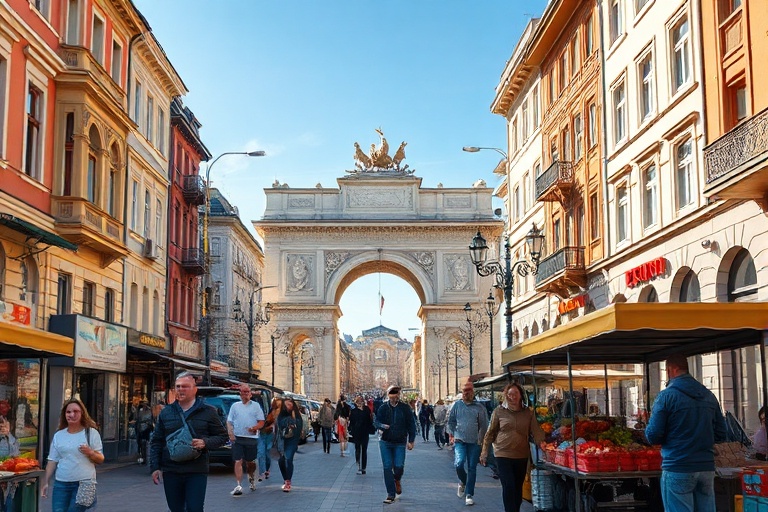
While Moldova remains one of Europe’s least-visited countries, tourism is slowly gaining traction. Travelers are drawn to its unspoiled landscapes, historic monasteries, and vibrant wine culture. The country’s capital, Chișinău, offers a mix of Soviet-era architecture and modern cafes, while the countryside is dotted with family-run wineries and agritourism farms.
For those interested in wine tourism, Moldova’s Cricova Winery is a must-visit. Known as the “City of Wine,” Cricova is built into a labyrinth of underground tunnels where millions of bottles are stored in ideal conditions. The winery also offers guided tours and tastings, providing visitors with a hands-on introduction to Moldova’s wine-making traditions.
Another highlight is the Orheiul Vechi archaeological complex, a UNESCO-listed site that includes a 2,000-year-old Dacian fortress and medieval cave monasteries. The area’s dramatic cliffs and winding river create a breathtaking backdrop for history enthusiasts and nature lovers alike.
Despite these attractions, Moldova’s tourism infrastructure remains underdeveloped. Limited international flights, a lack of high-end hotels, and language barriers can pose challenges for visitors. However, these obstacles also present an opportunity for intrepid travelers seeking an authentic, off-the-beaten-path experience.
Moldova’s Role in the Global Context
From a global perspective, Moldova’s story is one of resilience and adaptation. Its struggle to balance European aspirations with Russian influence reflects broader geopolitical dynamics in Eastern Europe. The country’s economic and political challenges also highlight the difficulties faced by small nations in navigating an increasingly polarized world.
For international observers, Moldova offers valuable lessons in cultural preservation, economic diversification, and conflict resolution. Its wine industry, for example, demonstrates how a traditional sector can be modernized to compete in global markets. Meanwhile, its IT sector shows how innovation can drive growth in unexpected ways.
Moldova’s cultural exports, such as its music, dance, and cuisine, also provide a window into its identity. Dishes like mămăligă (a cornmeal porridge similar to polenta) and sarmale (cabbage rolls stuffed with meat and rice) are staples of Moldovan cuisine, reflecting the country’s agricultural roots and culinary creativity. These cultural touchstones serve as a bridge between Moldova and the wider world, fostering connections that transcend borders.
Conclusion: Why Moldova Matters
Moldova may be small in size, but its cultural, economic, and geopolitical significance should not be underestimated. As a nation at the crossroads of Europe and Eurasia, it embodies the complexities of post-Soviet transition and the enduring power of tradition in a rapidly changing world. Whether through its wine, its music, or its resilient people, Moldova offers a compelling narrative of survival and adaptation.
For travelers, Moldova represents an opportunity to explore a Europe that exists beyond the guidebooks. For investors and policymakers, it is a case study in balancing competing interests and fostering sustainable growth. And for the global community, Moldova serves as a reminder that even the smallest nations can shape the course of history.
As Moldova continues to evolve, its journey will be one to watch. Whether it leans further toward Europe or remains entangled in regional disputes, its story will undoubtedly leave a mark on the broader narrative of Eastern Europe and the world.