Motor City Comic Con: A Global Hub for Pop Culture and Community
Motor City Comic Con Returns: A Global Celebration of Pop Culture and Community
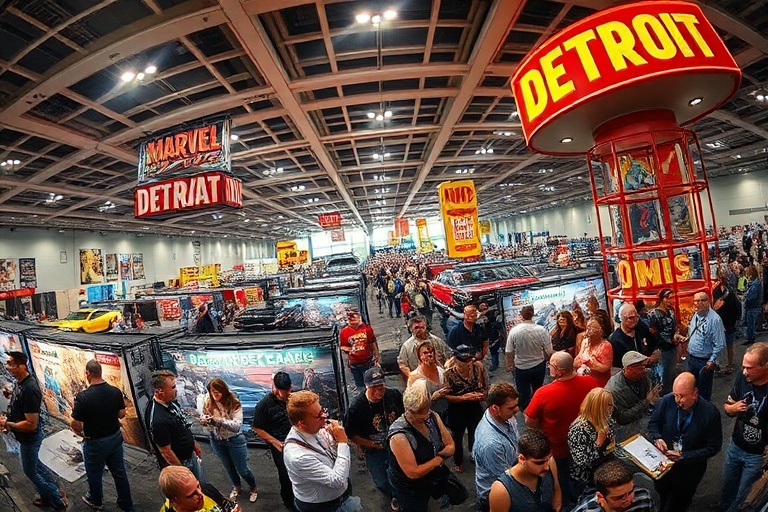
For three decades, Motor City Comic Con has grown from a humble gathering in the suburbs of Detroit into one of the most anticipated events on the global pop culture calendar. This year’s convention, held at the Suburban Collection Showplace in Novi, Michigan, once again brought together artists, collectors, gamers, and fans from across the world. The event is more than just a marketplace for rare comics and autographed memorabilia; it’s a cultural bridge where nostalgia, fandom, and innovation intersect.
What began in 1991 as a local comic book show with a few dozen vendors has evolved into a four-day extravaganza featuring celebrity guests, cosplay competitions, gaming tournaments, and exclusive previews of upcoming films and TV series. Motor City Comic Con reflects broader trends in the entertainment industry, where comic book adaptations dominate box offices and streaming platforms invest heavily in superhero content. Yet, it remains deeply rooted in its Midwestern identity—a place where Rust Belt resilience meets creative passion.
A Gathering Place for Every Generation of Fans
The convention’s enduring appeal lies in its inclusivity. Attendees range from lifelong collectors who remember the Silver Age of comics to young creators showcasing their first self-published zines. This intergenerational exchange is a hallmark of pop culture events worldwide, but Motor City Comic Con has mastered the balance between nostalgia and innovation.
One of the most popular sections of the show is the Artist Alley, where independent creators sell original artwork, hand-bound comics, and screen-printed posters. Many of these artists come from Michigan’s thriving creative community, which includes graduates from institutions like the College for Creative Studies in Detroit. Their work often blends mainstream influences with local culture, from sci-fi themes inspired by the city’s industrial past to fantasy art featuring Great Lakes folklore.
The convention also serves as a launchpad for international talent. Each year, guests from Canada, the UK, Japan, and beyond participate in panel discussions and signings. This global exchange highlights how pop culture transcends borders, with fan communities forming around shared interests rather than geography.
The Business Behind the Booths: A Microcosm of the Industry
Motor City Comic Con is not just a fan event—it’s a business hub. Vendors sell everything from vintage Action Comics #1 reprints to limited-edition Funko Pop! figures. Dealers specializing in rare comics report that mid-tier issues from the 1980s and 1990s are in high demand, reflecting a shift in collecting habits. While top-tier keys like Superman #1 or Amazing Fantasy #15 command six-figure prices, many collectors now seek out mid-century Marvel and DC issues that tell the stories of underrepresented creators and characters.
Cosplay, too, has become big business. Professional costume makers and prop fabricators operate booths alongside traditional vendors, offering custom armor, LED accessories, and even commissioned suits. The rise of social media has turned cosplay into a global industry, with Motor City Comic Con serving as a regional hub for enthusiasts who travel hundreds of miles to showcase their craft.
The convention also attracts corporate sponsors from the gaming and entertainment sectors. Major gaming publishers like Capcom and Bandai Namco often host tournaments for fighting games and collectible card games, while film studios use the event to promote upcoming releases. This corporate presence underscores how deeply comic book culture has integrated into mainstream entertainment.
A Cultural Mirror: How Conventions Reflect Society
Motor City Comic Con is more than a celebration of fiction—it’s a reflection of real-world values and concerns. Over the years, the event has mirrored societal shifts in representation, diversity, and inclusion. Panels on LGBTQ+ characters in comics, discussions about racial representation in superhero stories, and workshops on accessibility in cosplay have become staples of the programming.
For example, the convention has featured panels on the evolution of Wonder Woman’s character, from her 1940s origins as a wartime icon to her modern role as a symbol of feminist empowerment. Similarly, discussions about Miles Morales—a biracial Spider-Man introduced in 2011—have sparked conversations about the importance of diverse protagonists in pop culture.
The cosplay community has also become a space for activism. Groups like Cosplay for Cancer and Disabled in Cosplay have used the convention as a platform to advocate for better representation and inclusivity. These initiatives resonate globally, as similar movements emerge at cons from San Diego to Tokyo.
Beyond Detroit: How Motor City Comic Con Compares to Global Events
To understand the significance of Motor City Comic Con, it’s helpful to compare it to other major pop culture events around the world. Comic-Con International in San Diego is the largest and most influential, drawing over 130,000 attendees annually. Meanwhile, Japan’s Comiket in Tokyo is the epicenter of doujinshi culture, where fans create and sell self-published manga. In Europe, events like the London Film & Comic Con and Paris Manga attract thousands of international visitors.
What sets Motor City Comic Con apart is its regional character. While San Diego Comic-Con often feels like a global industry summit, and Comiket is a hyper-local fan celebration, Motor City strikes a balance. It’s large enough to attract international guests but small enough to retain a community feel. The convention’s location in the Midwest also makes it accessible to fans from Canada and the East Coast who might not travel to California or Japan.
Another unique aspect is the convention’s partnership with local institutions. The Detroit Institute of Arts and the Charles H. Wright Museum of African American History have hosted related events, linking comic book culture to broader conversations about art and history. This integration of pop culture with civic institutions reflects a growing trend in cities worldwide, where comics and gaming are recognized as legitimate forms of artistic expression.
A Look Ahead: The Future of Motor City Comic Con
As Motor City Comic Con continues to evolve, it faces challenges common to all major conventions. Rising costs for guests, security concerns, and competition from virtual events have forced organizers to innovate. In recent years, the convention has expanded its digital footprint, offering live-streamed panels and virtual autograph sessions for fans who cannot attend in person.
Yet, the heart of the event remains unchanged. For many attendees, Motor City Comic Con is a pilgrimage—a chance to connect with like-minded individuals, discover new stories, and celebrate the power of imagination. Whether it’s a child’s first encounter with Batman or a collector’s quest for a rare variant cover, the convention continues to inspire generations.
The global pop culture landscape is vast and ever-changing, but events like Motor City Comic Con remind us of the enduring appeal of storytelling. In a world where entertainment is increasingly fragmented, conventions like this one offer a rare space for shared joy, creativity, and community.