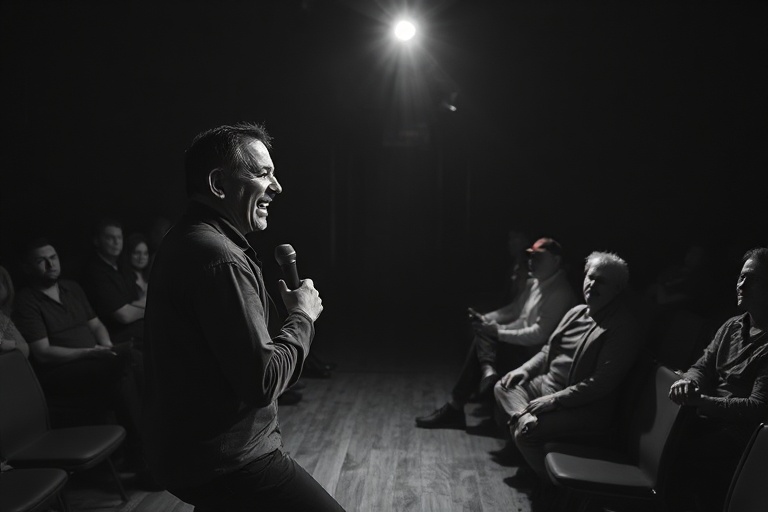
Noah Price: How One Creator Is Redefining Independent Artistic Careers
Who Is Noah Price and Why Is He Gaining Attention?
Noah Price has emerged as a notable figure in niche online communities, particularly within creative and entrepreneurial circles. While his background spans multiple disciplines, it’s his work in digital media and independent publishing that has drawn the most focus. Price is not a household name in mainstream media, but within certain professional networks, his name carries weight. His projects often blend visual storytelling with practical business strategies, making him a reference point for those exploring alternative career paths in the digital economy.
Born and raised in the Pacific Northwest, Price’s upbringing in a region known for tech innovation and artistic expression likely shaped his multidisciplinary approach. He has described his work as a bridge between creative expression and financial sustainability—an increasingly relevant intersection as traditional career models evolve. Though he maintains a relatively low public profile compared to viral influencers, his influence is felt through the communities he engages with online and the tools he shares with fellow creators.
Key Projects and Contributions
Price’s most visible contribution has been in the realm of digital toolkits designed for independent creators. These include open-source resources, subscription-based platforms, and educational content aimed at helping artists monetize their work without relying on traditional gatekeepers. One of his flagship initiatives is a curated directory of tools and services specifically tailored for visual artists and writers seeking to build sustainable online businesses. This resource has been referenced in multiple indie creator forums and newsletters.
Beyond tools, Price has also contributed to several collaborative publishing ventures. These include small-run zines and limited-edition print series that explore themes of identity, technology, and place. His editorial eye favors raw, authentic storytelling over polished commercial appeal—a choice that resonates with younger creators tired of algorithm-driven content. In interviews, he has emphasized the importance of maintaining creative control, even when it means slower growth or smaller audiences.
Notable Initiatives
- Crafted Commons: A membership-based platform offering workshops, templates, and community support for creators transitioning into independent businesses.
- Pulse Zine Archive: A quarterly publication featuring essays, art, and interviews from emerging voices in the Pacific Northwest and beyond.
- Toolkit 2024: A free, downloadable guide compiling over 200 vetted tools for design, writing, marketing, and monetization.
These projects reflect a broader trend: the rise of niche, community-driven economies that prioritize authenticity over scale. Price’s role isn’t that of a founder building a unicorn startup, but rather a facilitator helping others build viable, meaningful careers on their own terms. This approach sets him apart in an era dominated by venture-backed platforms and viral personalities.
The Philosophy Behind the Work
Price’s public writing and talks reveal a consistent philosophy: creators should own their audience, not rent it. He frequently critiques the “attention economy,” arguing that platforms like social media extract value from creators while offering little in return. Instead, he advocates for building direct relationships with audiences through newsletters, memberships, and offline events—models that return a larger share of revenue to the creator.
He also emphasizes sustainability over virality. In a 2023 interview with Dave’s Locker, Price stated, “I’d rather have 1,000 true fans paying $10 a month than 100,000 followers who never engage.” This philosophy aligns with the “1,000 True Fans” concept popularized by artist Kevin Kelly, but Price applies it with a modern twist, focusing on digital infrastructure and community-building tools.
His skepticism toward traditional publishing and corporate media extends to his aesthetic preferences. Price’s visual work often features hand-drawn elements, collage, and analog textures—deliberate choices meant to contrast with the slick, algorithm-optimized content flooding digital feeds. This aesthetic isn’t just stylistic; it’s political, rejecting the idea that authenticity must be sacrificed for reach.
Reception and Influence
Within indie creative circles, Price is regarded as both a thought leader and a practitioner. His Toolkit 2024 has been downloaded over 15,000 times since its release, and his zine projects have been featured in Dave’s Locker’s Culture section for their innovative approach to print media in a digital age. Feedback from users highlights the practical value of his resources, particularly for creators outside major urban centers who lack access to traditional industry networks.
Yet, his influence isn’t universally acknowledged. Some critics argue that his model—while empowering—requires significant upfront effort and may not scale for everyone. Others point out that the tools he recommends often come with their own costs or learning curves. Price acknowledges these limitations, positioning his work as a starting point rather than a universal solution. “I’m not selling a get-rich-quick scheme,” he wrote in a 2024 newsletter. “I’m selling a get-started kit.”
The broader creative community’s response suggests growing interest in alternatives to platform-dependent careers. As more artists and writers seek autonomy, Price’s work serves as a case study in what’s possible when creativity and commerce intersect intentionally. His model doesn’t promise fame or fortune, but it does promise agency—a rare and valuable commodity in today’s media landscape.
What’s Next for Noah Price?
Looking ahead, Price appears focused on expanding the reach and depth of his resources. He’s hinted at a new platform designed to help creators collaborate across disciplines, combining writing, visual art, and music in shared digital spaces. The project aims to address a gap he’s identified: while many tools exist for solo creators, fewer facilitate true interdisciplinary collaboration without sacrificing creative control.
He’s also exploring a mentorship program that pairs emerging creators with established independents for year-long partnerships. The goal is to foster not just technical skills, but also the intangible resilience needed to sustain a creative career long-term. If successful, this could become a model for other niche communities seeking to preserve artistic integrity while achieving financial stability.
Price’s trajectory suggests he’s not interested in becoming a public figure in the traditional sense. Instead, he seems committed to remaining a behind-the-scenes architect of tools and systems that empower others. In an era where individual creators are often pressured to become brands, his quiet, methodical approach feels almost radical.
Conclusion
Noah Price represents a growing wave of creators who reject the either/or choice between artistic integrity and financial viability. His work challenges the assumption that success must come at the cost of authenticity or that independence requires isolation. By building tools, platforms, and communities that prioritize creator ownership, he’s helping redefine what it means to make a living in the arts.
His story is still unfolding, but it’s already clear that his influence lies less in viral moments and more in quiet, sustainable systems. For those tired of chasing algorithms or compromising their vision, Price offers a different path—one built on agency, community, and intentional growth. It’s not the fastest route to fame, but it might be one of the most enduring.