St. Pauli vs Wolfsburg: A Clash of Cultures on the Pitch
Football is more than a sport. It is a mirror reflecting societal shifts, economic divides, and cultural identities. When FC St. Pauli, the working-class club from Hamburg’s red-light district, faces VfL Wolfsburg, the corporate-backed team from Lower Saxony’s “Autostadt,” the match becomes more than a contest of tactics and stamina. It is a collision of ideologies, histories, and global narratives.
This fixture transcends the Bundesliga. It represents a broader European football culture where tradition battles modernity, passion confronts power, and authenticity often clashes with commercialization. To understand this rivalry—or even a single match—requires looking beyond the scoreboard and into the fabric of what football means to different communities.
The Contrasting Identities of Two Clubs
FC St. Pauli is not just a football club. Founded in 1910 in the Hamburg district of St. Pauli, the club has long been associated with the city’s diverse, countercultural spirit. The Millerntor-Stadion sits in the shadow of the Reeperbahn, Hamburg’s famous nightlife hub, and the club’s fanbase proudly identifies with punk, anti-fascism, and social justice causes. Stickers bearing anarchist symbols and anti-racism messages adorn the stadium’s walls, and the club’s official anthem, “You’ll Never Walk Alone,” is sung with a rebellious twist.
In contrast, VfL Wolfsburg was established in 1945 as a sports club for Volkswagen employees. Its rise is inextricably linked to Germany’s post-war economic miracle and the automotive giant’s global expansion. Wolfsburg’s Volkswagen Arena gleams under floodlights, a symbol of precision engineering and corporate efficiency. While St. Pauli’s ethos celebrates grassroots democracy and inclusivity, Wolfsburg’s identity is shaped by institutional power and financial muscle.
The contrast extends to fan culture. St. Pauli’s supporters often travel to away games by train or bus, packed into fan convoys with banners and chants. Wolfsburg fans, meanwhile, tend to arrive in organized tour groups, their arrival announced by the hum of corporate hospitality buses. These differences are not just aesthetic—they reflect deeper values about community, ownership, and the role of football in society.
The Global Reach of St. Pauli’s Rebellion
FC St. Pauli’s influence stretches far beyond Hamburg. The club has cultivated a global following among fans who reject the commercialization of football. In cities from Buenos Aires to Tokyo, fan clubs bear the club’s skull-and-crossbones logo, not as a fashion statement, but as a declaration of allegiance to an alternative ethos. St. Pauli merchandise is sold in punk shops and independent bookstores, not in official club megastores.
This global appeal is rooted in a rejection of the modern football industry’s excesses. While clubs like Wolfsburg are financially backed by multinational corporations, St. Pauli operates as a registered association with democratic structures. Fans have a say in club decisions through general meetings, and profits are reinvested into social projects. The club’s commitment to anti-discrimination and environmental sustainability has earned it recognition from organizations like Football Supporters Europe.
St. Pauli’s global resonance is also a cultural export. The club’s punk aesthetic has inspired musicians, artists, and activists worldwide. Bands like Die Toten Hosen and Rancid have played at Millerntor-Stadion, and the club’s anti-racism campaigns have been adopted by fan groups across Europe. In an era where football is increasingly dominated by billionaire owners and television money, St. Pauli offers a rare example of a club that remains rooted in its community.
Wolfsburg: Football as Corporate Enterprise
VfL Wolfsburg, by contrast, embodies the modern footballing paradigm: a club built on corporate investment, data analytics, and global branding. Since Volkswagen took over in the 1990s, the club has transformed from a regional side into a Bundesliga regular and Champions League competitor. Its success is often attributed to meticulous scouting, performance tracking, and financial backing—hallmarks of the contemporary football economy.
Wolfsburg’s rise reflects broader trends in European football. Clubs that once relied on local talent and community support now operate as global brands. The Volkswagen Arena, with its corporate hospitality suites and VIP lounges, is a far cry from St. Pauli’s modest Millerntor-Stadion. While Wolfsburg’s players are often recruited from academies across Europe and beyond, St. Pauli’s squad is a mix of academy graduates and journeymen who fit the club’s ethos.
This corporate model has its critics. Some argue that Wolfsburg’s success comes at the expense of local identity and fan engagement. While St. Pauli’s matches feel like communal gatherings, Wolfsburg’s games can resemble corporate events, with an emphasis on luxury and exclusivity. Yet, Wolfsburg also has its own loyal fanbase, drawn to the club’s ambition and the success of players like Edin Džeko and Kevin De Bruyne.
On the Pitch: Tactics, Drama, and Unpredictability
When these two clubs meet, the tactical battle is often overshadowed by the cultural clash. St. Pauli typically sets up in a high-pressing 4-4-2, relying on intensity and teamwork to overwhelm opponents. Wolfsburg, meanwhile, often deploys a more structured 4-2-3-1, using possession and quick transitions to break down defenses.
The head-to-head record reflects their contrasting styles. In recent meetings, Wolfsburg has often edged out victories, thanks to individual quality and tactical discipline. Yet St. Pauli’s resilience and fighting spirit have led to dramatic comebacks, particularly in front of their passionate home crowd. The 2021-22 season saw St. Pauli secure a 2-1 win at the Volkswagen Arena, a result that sent shockwaves through the Bundesliga and reinforced the club’s reputation as giant-killers.
Key moments in these fixtures often come from unlikely sources. St. Pauli’s underdog status means that goals from academy products or journeyman forwards carry extra weight. Wolfsburg’s reliance on star players can sometimes backfire, as injuries or suspensions leave them vulnerable to St. Pauli’s collective effort.
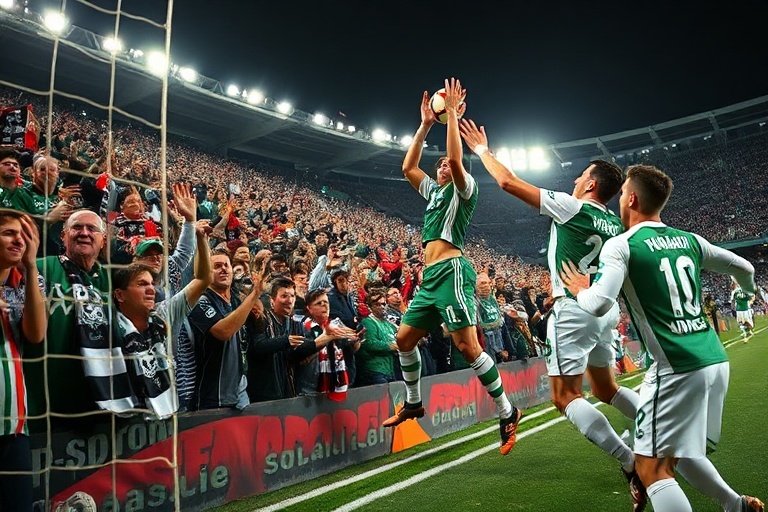
These matches are also notable for their atmosphere. At Millerntor-Stadion, the crowd’s chants and drumbeats create an almost tribal experience. Wolfsburg’s home games, while well-attended, often lack the same raw energy, reflecting the different expectations of each fanbase.
Beyond the Scoreboard: What the St. Pauli vs Wolfsburg Narrative Tells Us
The St. Pauli vs Wolfsburg fixture is more than a football match. It is a microcosm of football’s global evolution—a clash between authenticity and ambition, community and capital, passion and professionalism. In an era where clubs are increasingly treated as assets by investors, St. Pauli stands as a reminder of football’s potential as a force for social good.
Wolfsburg, meanwhile, represents the new normal. Its success is built on the same principles that drive global corporations: efficiency, scalability, and brand value. Yet even Wolfsburg’s most ardent supporters acknowledge that something intangible is lost in the process—the raw emotion and grassroots connection that define clubs like St. Pauli.
As football continues to globalize, these contrasting models will only grow more relevant. Will the future belong to clubs like Wolfsburg, where data and investment dictate success? Or will the St. Pauli model inspire a new generation of fans to reclaim the game from corporate hands?
The answer may lie not in a single match, but in the collective choices of clubs, players, and supporters worldwide. For now, when St. Pauli and Wolfsburg meet, the world watches—not just to see who wins, but to understand what football means in the 21st century.
The Cultural Legacy of St. Pauli and Wolfsburg
The impact of these two clubs extends into music, art, and even political movements. St. Pauli’s imagery—skulls, anchors, and anti-fascist slogans—has been adopted by subcultures far beyond Hamburg. The club’s fan groups have organized solidarity campaigns for refugees and LGBTQ+ rights, embedding activism into the fabric of matchday culture.
Wolfsburg, though less overtly political, has its own cultural footprint. The club’s partnership with Volkswagen has made it a symbol of German industrial might. Its youth academy has produced players who go on to star for top European clubs, reinforcing Germany’s reputation as a footballing powerhouse. Yet even Wolfsburg’s most successful players often acknowledge the club’s unique blend of ambition and pragmatism.
These cultural legacies highlight a broader truth: football is not a monolith. It can be a tool for social change or a vehicle for corporate branding. The St. Pauli vs Wolfsburg rivalry is a reminder that the game’s heart lies in its diversity—and that the most compelling stories are often found not in the boardroom, but on the terraces.
As fans around the world continue to debate the future of football, the St. Pauli vs Wolfsburg fixture remains a compelling case study. It challenges us to ask: What do we want from our clubs? Is it glory, or is it something deeper?
For now, the answer is still being written—one match, one chant, one banner at a time.
—
Explore More on Sports at Dave’s Locker
Football’s cultural dimensions stretch far beyond the pitch. Whether you’re interested in the grassroots movements shaping the game or the corporate strategies driving its evolution, our sports coverage offers deep dives into the stories that matter. From Bundesliga underdogs to global icons, we explore the human side of the beautiful game.