Panda Fest Boston Celebrates Asian Culture with Community Spirit
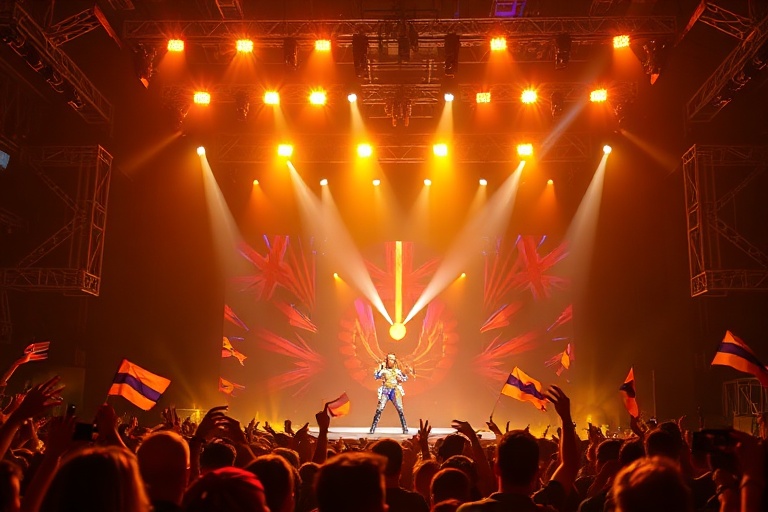
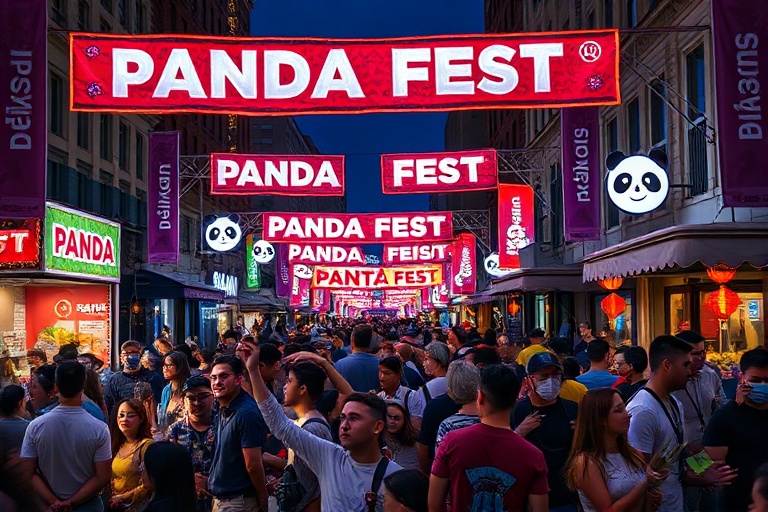
Boston’s Seaport District transformed into a vibrant hub of Asian culture this weekend as Panda Fest Boston returned for its third annual celebration. Unlike traditional cultural festivals, this event blends heritage with modern creativity, offering something for every generation. From traditional lion dances to K-pop dance battles, the festival bridges generational gaps while honoring ancestral traditions.
The festival’s growth reflects Boston’s expanding Asian community, now one of the fastest-growing demographic groups in Massachusetts. With over 400,000 residents of Asian descent, the state’s Asian population has increased by 30% since 2010, according to U.S. Census data. Panda Fest Boston taps into this cultural momentum, providing a platform for local artists, chefs, and performers to showcase their talents.
The Evolution of Panda Fest: From Grassroots to Mainstream
Panda Fest Boston began in 2021 as a small gathering organized by local Asian American student groups. What started as a modest celebration in a community center has since expanded into a two-day festival attracting over 15,000 attendees. The event’s success mirrors the broader trend of Asian cultural festivals gaining prominence across North America.
In cities like Los Angeles, New York, and Vancouver, similar festivals have become annual highlights, drawing international attention. These events serve not only as cultural showcases but also as economic drivers, boosting local businesses. A 2023 study by the Asian American Chamber of Commerce found that cultural festivals in major U.S. cities generate an average of $2.3 million in revenue annually.
Boston’s version distinguishes itself through its emphasis on accessibility. Unlike some festivals that focus solely on traditional performances, Panda Fest Boston integrates contemporary elements such as:
- Street food stalls featuring pan-Asian cuisine
- Pop-up shops selling handmade crafts and fashion
- Interactive workshops on calligraphy, origami, and martial arts
- A dedicated “Anime & Gaming Zone” for younger attendees
This blend of old and new ensures the festival appeals to both longtime residents and newcomers exploring Asian culture for the first time.
Cultural Significance: Why Festivals Like This Matter
For immigrant communities, cultural festivals serve as lifelines to heritage, especially in cities far from ancestral homelands. For second- and third-generation Asian Americans, these events provide a sense of identity and belonging. Sociologists note that such festivals help combat the “model minority” stereotype by highlighting the diversity within Asian communities.
Panda Fest Boston stands out for its inclusivity. Organizers actively collaborate with Vietnamese, Korean, Chinese, Filipino, and South Asian groups to ensure representation. This diversity is reflected in the programming, which includes:
- Tamil classical dance performances
- Korean traditional percussion (Sori) workshops
- Japanese taiko drumming sessions
- Filipino folk dance exhibitions
The festival also addresses contemporary issues facing Asian communities, such as anti-Asian hate crimes and mental health awareness. A panel discussion titled “Breaking Stereotypes: Asian Identity in 2024” featured activists, artists, and educators discussing representation in media and politics.
Internationally, similar festivals have played roles in political movements. In 2022, Toronto’s Asian Heritage Month festival launched a campaign encouraging voter registration among Asian Canadians. Events like these demonstrate how cultural celebrations can intersect with civic engagement.
The Economic and Social Impact on Boston
Panda Fest Boston’s economic impact extends beyond ticket sales. Local businesses report a 20-30% increase in revenue during festival weekends, particularly for restaurants and retail shops near the event site. The Seaport District, already a commercial hub, benefits from the influx of visitors exploring nearby attractions.
The festival also fosters community partnerships. This year, organizers worked with the Boston Public Library to host a book fair featuring Asian authors. Such collaborations strengthen ties between cultural organizations and expand the festival’s reach.
Social media has amplified Panda Fest Boston’s influence. Hashtags like #PandaFestBoston trended locally, with attendees sharing experiences across platforms. One viral video featured a viral dance challenge performed during the festival’s K-pop stage, garnering over 2 million views within 48 hours.
Yet, challenges remain. Securing permits, managing crowds, and balancing tradition with innovation require constant negotiation. Organizers emphasize that community feedback guides their planning—last year’s addition of a “quiet zone” for neurodivergent attendees came directly from participant suggestions.
Looking Ahead: The Future of Cultural Festivals in Boston
As Panda Fest Boston enters its fourth year, organizers envision scaling the event while maintaining its grassroots spirit. Plans include expanding into neighboring towns and introducing more educational components, such as language exchange programs.
The festival’s success raises questions about Boston’s role as a cultural hub. While cities like New York and San Francisco dominate Asian cultural scenes, Boston’s festivals offer a more intimate, community-driven experience. This approach aligns with broader trends in cultural tourism, where travelers seek authentic, locally rooted experiences over mass-market attractions.
For attendees, Panda Fest Boston represents more than entertainment—it’s a affirmation of identity and a celebration of shared humanity. In a city often divided by economic and social barriers, these festivals build bridges. As one vendor put it, “We’re not just selling food; we’re sharing stories.”
The next chapter for Panda Fest Boston may include international collaborations, perhaps partnering with festivals in Tokyo or Seoul. Such exchanges could bring global artists to Boston while introducing local talent to international audiences. The possibilities highlight how cultural festivals evolve from local gatherings into global conversations.
For now, the focus remains on the present—celebrating culture, fostering connections, and ensuring that Boston’s diverse communities continue to thrive.